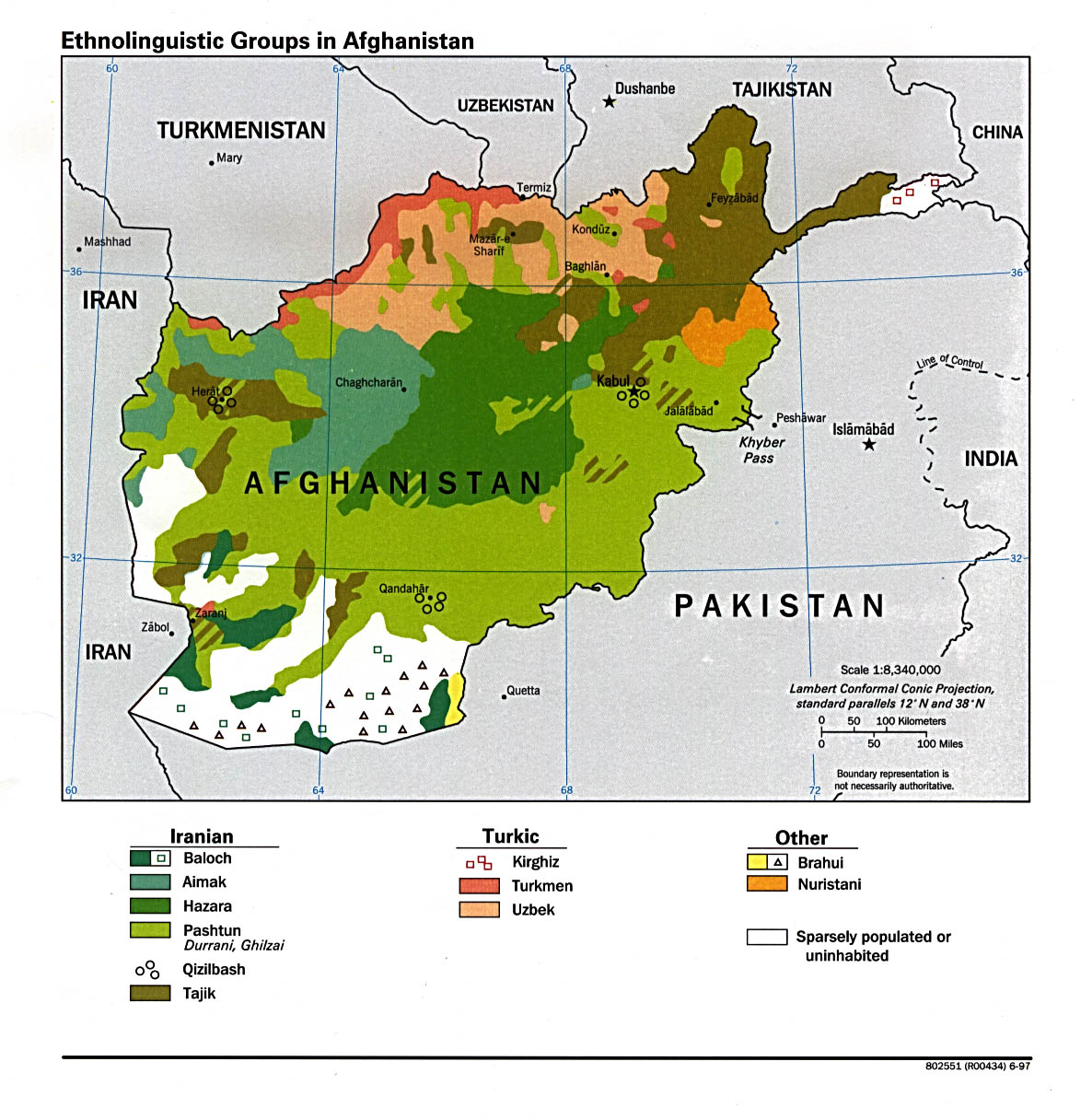
The Narisati are a small people group living in the remote mountain regions of northeastern Afghanistan, particularly in Nuristan Province near the border with Pakistan. They are part of the broader Nuristani cultural world, a region historically known for its isolation, rugged terrain, and unique ethnic and linguistic diversity. The Narisati speak a Nuristani language related to the languages of neighboring mountain peoples who have lived in these valleys for centuries.
Historically, the peoples of Nuristan remained isolated from much of the outside world because of the steep mountains and limited transportation routes surrounding their communities. Prior to their conversion to Islam in the late nineteenth century, the Nuristani peoples followed older tribal and animistic religious systems distinct from surrounding Muslim populations. Over time, political change, Islamic influence, conflict, and government pressure transformed the region socially and religiously, though many traditional customs and strong tribal loyalties have remained deeply rooted.
Most Narisati families live in remote mountain villages where daily life revolves around farming, herding, and survival in difficult terrain. Families commonly cultivate crops such as wheat, corn, and barley on narrow mountain fields and terraces. Goats, sheep, and cattle are important sources of food, labor, and economic support.
Life in Nuristan can be extremely challenging. Villages are often isolated by mountains, rivers, and harsh winter weather. Roads, healthcare, schools, and modern infrastructure may be very limited or difficult to access. Families depend heavily on extended relatives and village cooperation during planting seasons, harvests, and times of hardship.
Family honor, hospitality, courage, and loyalty to tribe and village remain highly valued cultural traits. Traditional music, storytelling, and community gatherings continue to play important roles in preserving cultural identity. Younger generations increasingly face uncertainty due to poverty, conflict, limited economic opportunity, and pressure to leave rural villages for larger towns or cities.
The Narisati are Muslim, and Islamic identity is deeply woven into community and family life. Religious practices commonly include prayer, observance of Islamic festivals, and respect for local religious leaders and traditions. In many villages, religious and tribal identity are closely connected.
At the same time, older folk beliefs and traditional spiritual practices may still influence everyday thinking. Fear of spirits, reliance on charms or blessings, and beliefs concerning supernatural protection can remain influential in isolated mountain communities. These practices may exist alongside formal Islamic observance and contribute to spiritual fear and syncretistic thinking.
Most Narisati have had little or no exposure to the biblical gospel or to followers of Jesus Christ. Those who come to faith in Christ may face severe opposition, rejection, or danger from relatives and the surrounding community. Believers need careful discipleship, trusted fellowship, and strong grounding in Scripture in order to remain faithful under pressure.
The Narisati need greater access to the gospel through faithful Christian witness, Scripture, and long-term discipleship rooted clearly in the Word of God. Geographic isolation and cultural barriers mean many may never have personally encountered a Christian or heard a clear explanation of salvation through Jesus Christ alone.
Practical needs are also significant. Many Narisati communities face poverty, food insecurity, limited healthcare, inadequate education, and poor infrastructure. Harsh winters and isolation make travel and economic development difficult in many areas.
Believers from Narisati backgrounds need spiritually mature leadership, biblical teaching, and secure fellowship with other Christians. Christian workers serving among Nuristani peoples need wisdom, humility, perseverance, and courage as they seek to demonstrate Christ's love in difficult and often dangerous circumstances.
Pray that the Narisati people would hear the gospel clearly and come to know Jesus Christ as Savior and Lord.
Pray that God would strengthen and protect believers from Muslim backgrounds in Nuristan and help them grow firmly in biblical truth.
Pray that the Narisati would be adopted through the People Group Adoption program so that sustained prayer, discipleship, and future gospel engagement would continue among them.
Pray for improved access to food, healthcare, education, and stability in the remote mountain communities where the Narisati live, and that Christian workers would serve with wisdom and compassion.
Scripture Prayers for the Narisati, Arandui in Afghanistan.
https://www.ethnologue.com/
https://www.britannica.com/place/Nuristan
https://www.britannica.com/place/Afghanistan
https://www.iranicaonline.org/articles/nuristan
https://minorityrights.org/communities/nuristani/
| Profile Source: Joshua Project |