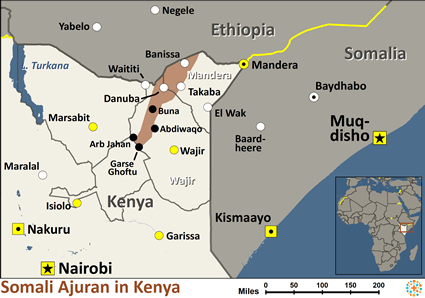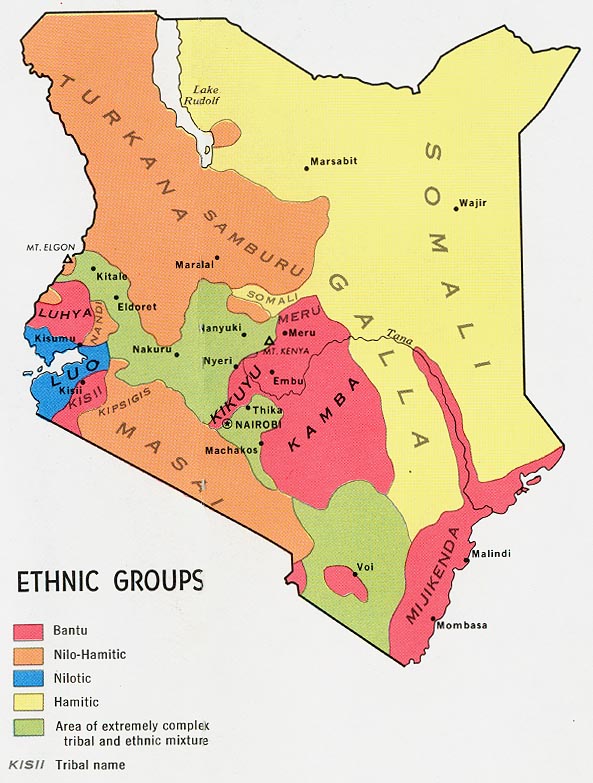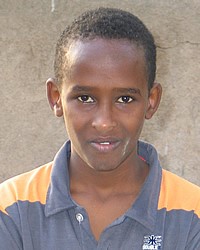

The Somali-speaking Ajuran in Kenya are part of the larger Ajuran clan, a historic Somali clan with deep roots in the Horn of Africa. They are concentrated mainly in northeastern Kenya, especially in Wajir, Mandera, Marsabit, and surrounding border regions near Somalia and Ethiopia. The Ajuran trace their heritage to the medieval Ajuran Sultanate, a powerful Muslim state that once ruled large portions of southern Somalia and influenced trade, agriculture, and Islamic expansion throughout the region. Remains of old fortifications and irrigation systems in Somalia are still associated with Ajuran rule.
Over time, the Ajuran state fragmented, and the people dispersed into various clan-based communities across Somalia, Kenya, and Ethiopia. In Kenya, many Ajuran gradually became integrated into the broader Somali social world while maintaining a distinct clan identity. Their history has also been shaped by drought cycles, regional conflict, border politics, and competition over grazing lands and water resources. Tribal identity, kinship loyalty, and oral tradition continue to play major roles in preserving their heritage.
The Somali-speaking Ajuran primarily speak Somali, though some are bilingual in Borana or Swahili depending on location and interaction with neighboring peoples. Islam and clan relationships strongly shape community life and identity.
Many Somali-speaking Ajuran traditionally lived as semi-nomadic pastoralists in the dry and semi-arid regions of northeastern Kenya. Their livelihoods historically depended on herding camels, goats, sheep, cattle, and donkeys while moving seasonally in search of grazing land and water. This mobile lifestyle developed as an adaptation to the harsh climate and unpredictable rainfall patterns of the region.
Some Ajuran communities have become more settled over time, especially near towns or fertile areas suitable for farming. In these places families may cultivate maize, sorghum, millet, vegetables, or fruits alongside livestock keeping. Others work in transport, trade, local business, or wage labor. Urban migration has also increased, bringing some Ajuran families into Kenyan cities where they pursue education, commerce, and modern employment opportunities.
Family and clan relationships are central to Ajuran society. Villages or encampments are often organized around extended family networks, and loyalty to clan members remains extremely important. Hospitality, oral storytelling, poetry, and negotiation traditions continue to shape social life. In pastoral settings, portable shelters are still used by some families moving with their herds. Economic hardship, drought, insecurity, and limited infrastructure continue to affect many communities in northeastern Kenya.
The Somali-speaking Ajuran are overwhelmingly Sunni Muslims. Islam strongly shapes community identity, moral expectations, family life, and daily routines. Mosque attendance, prayer, fasting during Ramadan, Koranic instruction, and participation in Islamic festivals are central features of religious life. Historically, the Ajuran played an important role in the spread of Islam throughout parts of the Horn of Africa during the era of the Ajuran Sultanate.
Alongside formal Islamic practice, some folk beliefs and traditional spiritual fears may also influence daily life. Beliefs involving curses, evil spirits, blessings, sacred lineages, or protective spiritual practices can exist alongside orthodox Islamic teaching. In some communities, religious identity is deeply tied to clan identity, making conversion to Christianity socially difficult and potentially dangerous.
Most Somali-speaking Ajuran have had very limited exposure to biblical Christianity. They need to hear that salvation and forgiveness of sins come through Jesus Christ alone rather than through religious identity, ritual observance, or personal effort.
The Somali-speaking Ajuran remain one of the least reached peoples in East Africa. Strong Islamic identity, geographic isolation, clan loyalty, and fear of social rejection create major barriers to gospel outreach. Open Christian witness can be difficult and at times dangerous in areas where Muslims form the overwhelming majority.
Practical needs are also significant. Many Ajuran communities face recurring drought, water shortages, economic instability, livestock loss, poor healthcare access, and limited educational opportunities. Competition over grazing land and water can also contribute to conflict and displacement in border regions.
There is a need for mature Christian workers willing to serve patiently among the Ajuran, learn their language and culture, and demonstrate the love of Christ through long-term relationships and compassionate ministry. Scripture resources, audio Bible materials, and discipleship tools in Somali are important for helping seekers and new believers grow in biblical faith. Local believers also need wisdom, courage, and discreet fellowship opportunities because of potential opposition from family or community members.
Pray that the Somali-speaking Ajuran will hear a clear and faithful presentation of the gospel and come to trust in Jesus Christ for salvation.
Pray that God will raise up wise and courageous Christian workers who are willing to serve among the Ajuran with humility, compassion, and perseverance.
Pray that the Somali-speaking Ajuran will be adopted through the People Group Adoption program so that churches and believers will commit to sustained prayer and future gospel outreach among them.
Pray that any believers among the Somali-speaking Ajuran will grow strong in biblical truth and boldly share the hope of Christ with their families and communities.
Scripture Prayers for the Ajuran, Somali-speaking in Kenya.
https://en.wikipedia.org/wiki/Ajuran_(clan)
https://en.wikipedia.org/wiki/Somalis_in_Kenya
https://peoplegroups.org/people_groups/pg046678/
https://www.prayway.com/unreached/peoplegroups2/1850.html
https://www.africanhistoryextra.com/p/centralizing-power-in-an-african
| Profile Source: Joshua Project |