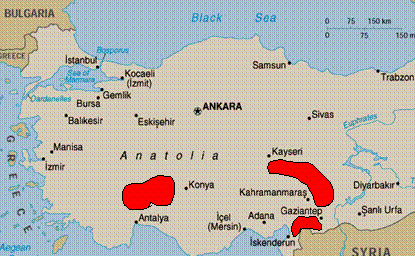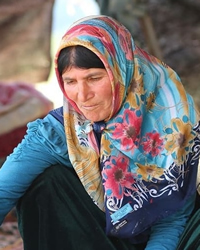

The Yoruk have traditionally been semi-nomadic shepherds. For hundreds of years, at the beginning of every summer, the Yoruk made the long trek from the hot coastal plains to summer in the cool prairies and grassy highlands of the western Toros Mountains. But today they have become mainly settled. They are made up of a large number of patrilineal tribes, which are often subdivided into clans.
The Yoruk have retained their skill in weaving wool into colorful clothing. Many Yoruk today engage in settled agriculture alongside livestock raising. Men are typically responsible for herding animals, managing grazing routes, and conducting trade related to livestock and dairy products. In settled communities, they may also work in farming, cultivating crops such as grains, vegetables, and fruits. Some Yoruk men seek employment outside the village in construction, transportation, or other forms of wage labor, particularly as economic opportunities shift in modern Turkey.
Women play a vital and active role in Yoruk work life. They are heavily involved in caring for animals, processing milk into products such as cheese and yogurt, and maintaining the household. Yoruk women are especially known for their traditional weaving skills, producing rugs, tents, and textiles that are both functional and culturally significant. These crafts may also provide supplemental income. Even in more settled settings, women continue to contribute significantly to both the domestic and economic well-being of the family.
Family life is closely tied to work, with all members contributing according to age and ability. Children often assist with herding, household chores, or small agricultural tasks from a young age, learning the skills needed to sustain their way of life.
Recreational activities among the Yoruk are primarily communal and culturally rooted. Men frequently gather to share stories, discuss daily matters, and maintain social relationships within the community. Informal games or demonstrations of skill and strength may occur, especially during times of rest.
Women experience recreation largely through social interaction, including visiting neighbors, sharing meals, and participating in traditional singing and storytelling. Music and oral traditions play an important role in preserving Yoruk identity and passing down cultural values.
Festivals and seasonal gatherings are central to Yoruk recreational life. These events often feature traditional music, dancing, and communal feasting. Cultural expressions such as folk dances and performances highlight their nomadic heritage and reinforce a sense of identity and unity.
Their religion has deep Shamanistic roots, but today most are Sunni or Alevi Muslims. Often they blend the teachings of Islam with shamanistic practices.
Turkey is generally hostile to overt Christian witness. There are a few Yoruk in the Balkan countries, and these may have easier access to the gospel than those in Turkey.
Pray the Yoruk, especially the young people, will be able to adjust to the Turkish society around them.
Pray for the Yoruk people to be adopted by those who want them to enjoy the abundant life that Jesus offers his followers.
Pray for the Holy Spirit to give dreams and visions of the risen and victorious Christ to Yoruk family leaders.
References
Scripture Prayers for the Yoruk in Türkiye (Turkey).
| Profile Source: Joshua Project |