




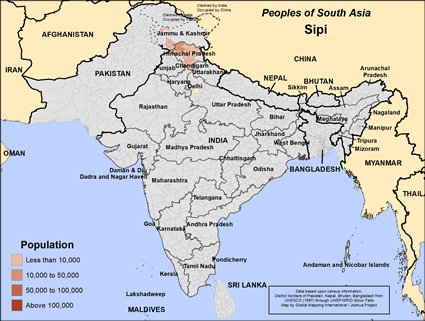
The Sipi are a people group found in India who primarily speak Odia and live within the cultural setting of eastern India. Information about their historical background is limited, but like many smaller caste and community groups in the region, their identity has been shaped through generations of family lineage, local customs, and inherited occupations. Their social structure has traditionally been connected to village life and the broader Hindu cultural framework that influences much of Odisha and surrounding areas.
Over time, communities such as the Sipi have maintained their distinct identity through marriage traditions, community relationships, and shared cultural practices. Even where modernization has reached nearby towns and cities, many smaller groups continue to preserve long-standing customs and social expectations rooted in regional tradition.
Many Sipi families likely live in rural villages or semi-rural communities where agriculture, labor, trade, and traditional occupations provide income for daily life. Extended family relationships are important, and several generations may live close together or within the same household network. Respect for elders and loyalty to family responsibilities remain strong values.
Rice is a staple part of the diet, commonly accompanied by lentils, vegetables, fish, or locally available foods depending on the region. Daily routines often revolve around work, caring for children, maintaining the household, and participating in village life. Religious festivals, weddings, and seasonal celebrations are major social events that reinforce community bonds.
Educational and economic opportunities may vary considerably. Some families may struggle with poverty, unstable employment, or limited access to healthcare and quality schooling. In more traditional settings, social expectations and caste identity can still influence occupation, marriage, and social interaction.
Despite hardships, community life is often closely connected, and hospitality, family honor, and preserving tradition are highly valued.
The Sipi follow Hindu religious traditions mixed with local folk practices and customary rituals. Their religious life likely includes devotion to Hindu gods and goddesses through temple worship, household shrines, offerings, fasting, festival observances, and ceremonial rituals. In many village settings, Hindu beliefs are blended with animistic practices, fear of spirits, ancestral traditions, and reliance on local spiritual specialists for protection or guidance. (joshuaproject.net)
Religion is deeply woven into everyday life and often influences decisions related to marriage, farming seasons, illness, childbirth, and death ceremonies. Spiritual rituals may be performed to seek blessing, avoid misfortune, or bring protection to the family.
Most Sipi have little understanding of the biblical gospel. Many have never heard a clear explanation of salvation by grace through faith in Jesus Christ or encountered mature Christians living among them.
The Sipi need access to the gospel in ways that are understandable within their language and cultural context. They need faithful Christian workers who are willing to build long-term relationships, share Scripture, and disciple those who respond to Christ. Because family and community ties are strong, those who become interested in Christianity may face pressure, rejection, or isolation.
Practical needs may include improved healthcare, educational opportunities, literacy support, and economic stability. Rural communities can also face challenges related to sanitation, infrastructure, and consistent employment. Compassionate ministry that addresses physical needs while remaining grounded in biblical truth can help open doors for meaningful gospel witness.
There is also a need for healthy local churches and trained believers who can faithfully teach Scripture and reach neighboring communities with the gospel.
Pray that the Sipi people will hear the gospel clearly in the Odia language and respond to Jesus Christ in faith.
Pray that God will send compassionate and biblically faithful workers to live among the Sipi and demonstrate the love of Christ through both word and action.
Pray that the Sipi people will be adopted through the People Group Adoption program so that sustained prayer and future gospel outreach will continue among them.
Pray that any believers living near the Sipi community will grow in spiritual maturity and boldly share the gospel with surrounding peoples.
Scripture Prayers for the Sipi in India.
https://peoplegroups.org/people_groups/pg041800/
https://en.wikipedia.org/wiki/Odia_people
https://www.britannica.com/place/Odisha-state-India
| Profile Source: Joshua Project |



