


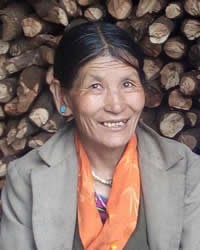

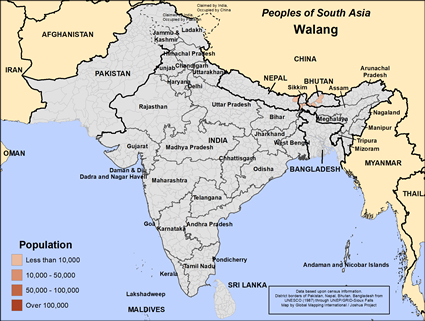
The Walang are a small Himalayan people group living in Bhutan, Nepal, and nearby border regions connected to the eastern Himalayas. They are closely related to Tibetan peoples and are believed to have migrated south from Tibet centuries ago before settling in isolated mountain communities. Their culture, language, and religious traditions reflect strong Tibetan influence shaped by life in high-altitude valleys and historic trade routes through the Himalayas.
Historically, the Walang were known as traders who moved goods between Tibet, Nepal, and surrounding regions. Older trade networks once brought prosperity to some Walang settlements, especially in mountain market villages. However, modern transportation routes and political changes in the Himalayan region reduced the importance of these traditional trade systems, causing economic hardship and migration for many families. Some relocated to larger towns and cities in search of work, while others remained in remote mountain communities dependent on agriculture and local labor.
The Walang are associated with Tibetan Buddhist culture, and their religious life has historically centered around monasteries and village spiritual traditions. Their remote location and small population have contributed to their isolation from outside influences, including meaningful access to the gospel.
Most Walang families today depend on agriculture, small-scale trade, animal care, or labor connected to mountain life. Crops commonly include barley, wheat, and potatoes suited for high-altitude climates. Homes are traditionally built with stone walls and wooden roofing materials designed to endure harsh Himalayan weather conditions.
Life in Himalayan regions is physically demanding. Mountain terrain, cold winters, and geographic isolation shape daily routines and economic opportunities. Families often live in tightly connected communities where cooperation is important for survival. Extended family relationships, village identity, and religious traditions remain central to social life. Festivals, monastery ceremonies, and seasonal observances help preserve community bonds and cultural continuity.
Because many Walang communities are remote, access to healthcare, higher education, infrastructure, and economic opportunity can be limited. Younger generations increasingly leave mountain villages to pursue employment or education in larger towns, creating additional pressure on traditional community structures and ways of life.
The Walang primarily follow Tibetan Buddhism, especially forms of Vajrayana Buddhism influenced by Tibetan religious traditions. Monasteries and monks play an important role in spiritual and community life. One major monastery in the Walang region has reportedly existed for more than two centuries and historically hosted monks traveling from Tibet.
Their religious practices include prayers, rituals, sacred chants, offerings, and devotion connected to Buddhist teachings and spiritual figures. Chenrezi, the Buddhist figure associated with compassion, is especially honored within their religious tradition.
As with many Himalayan Buddhist communities, folk beliefs and fear of spiritual forces may also influence daily life. Religious rituals are often tied to protection, blessing, health, and avoiding misfortune. Despite deep religious devotion, most Walang have had little opportunity to hear the biblical gospel clearly explained. They need to know that forgiveness of sins and reconciliation with God come through Jesus Christ alone rather than through ritual observance, merit, or spiritual effort.
The Walang remain one of the least reached Himalayan peoples, with very limited exposure to biblical Christianity and few known believers among them. Geographic isolation, small population size, difficult terrain, and strong Buddhist identity all contribute to the challenge of gospel outreach.
There is a need for faithful Christian workers willing to learn their culture, build long-term relationships, and communicate the gospel clearly and respectfully. Scripture resources and discipleship materials in languages accessible to the Walang are also needed so that those who respond to Christ can grow in biblical faith.
Practical needs include healthcare access, educational opportunities, economic stability, and support for isolated mountain communities facing changing economic realities. Compassionate ministry that demonstrates Christ's love through practical service can help open doors for meaningful gospel witness among the Walang people.
Pray that the Walang people will hear a clear presentation of the gospel and come to faith in Jesus Christ for salvation.
Pray that God will raise up courageous Christian workers who are willing to serve among the Walang in difficult and remote Himalayan regions.
Pray that the Walang people will be adopted through the People Group Adoption program so that churches and believers will commit to sustained prayer and future gospel outreach among them.
Pray that any believers among the Walang will grow strong in biblical truth and boldly share the message of Christ with their families and communities.
Scripture Prayers for the Walang in Bhutan.
https://en.wikipedia.org/wiki/Bhutan
https://en.wikipedia.org/wiki/Ethnic_groups_in_Bhutan
https://en.wikipedia.org/wiki/Monpa_people
https://minorityrights.org/country/bhutan/
| Profile Source: Joshua Project |


