


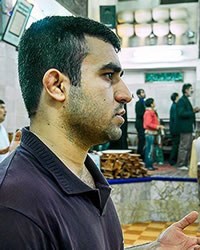

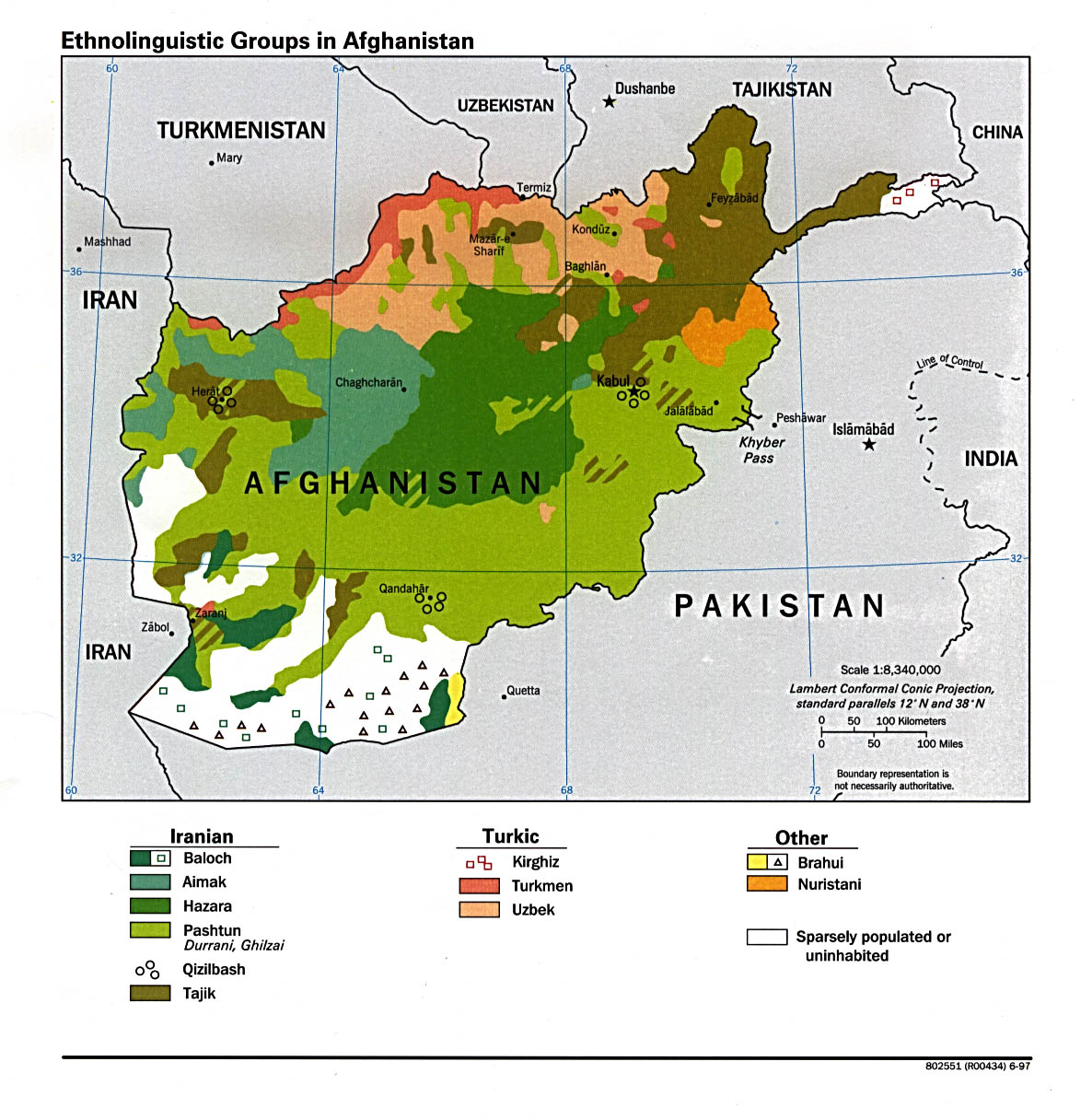
The Pahlavani are a people group found in Afghanistan whose identity has developed within the broader Persian-influenced cultural world of the region. Their name is connected linguistically to the historic Persian term "Pahlavan," often associated with strength, heroism, or warrior tradition. Like many smaller Afghan communities, the Pahlavani have historically lived within tribal and family-based social structures shaped by regional customs, Islamic influence, and centuries of political instability.
Much of Afghanistan's history has been marked by invasion, tribal conflict, migration, and changing governments, all of which have affected smaller communities such as the Pahlavani. Their cultural traditions have largely been preserved through oral history, family networks, and village life rather than through extensive written records. Over time, conflict, economic hardship, and modernization have altered traditional patterns of life, especially among younger generations.
Many Pahlavani families live in rural or semi-rural communities where agriculture, herding, labor, trade, and small business activity support daily life. In some areas, families cultivate wheat, barley, fruits, and vegetables while also raising livestock such as sheep and goats. Others may seek employment in local markets, transportation, or construction work.
Family and tribal relationships remain central within Pahlavani society. Respect for elders, hospitality, loyalty to family, and protection of family honor are deeply valued cultural traits. Weddings, religious festivals, and seasonal gatherings help preserve community identity and social ties.
Life in Afghanistan remains difficult for many communities because of economic instability, conflict, weak infrastructure, and limited access to healthcare and education. Rural areas especially may face isolation, unemployment, food insecurity, and inadequate public services. Younger generations often experience uncertainty as they navigate poverty, migration pressures, and social change.
The Pahlavani are Muslim, and Islamic belief strongly shapes family life, social expectations, and community identity. Religious practices commonly include daily prayer, fasting during Ramadan, participation in mosque life, and observance of Islamic festivals and traditions.
Alongside formal Islamic observance, folk beliefs and traditional spiritual practices may also influence daily life in some communities. Fear of curses, evil spirits, supernatural harm, or reliance on charms and spiritual remedies can remain deeply rooted in local culture. These influences may contribute to spiritual fear and syncretistic thinking rather than confidence in the truth of God's word.
Most Pahlavani have had little meaningful exposure to biblical Christianity. Those who place their faith in Jesus Christ may face rejection, hostility, or danger from family and community members. New believers need careful discipleship, biblical teaching, and trusted fellowship in order to grow strong in faith under pressure.
The Pahlavani need greater access to the gospel through faithful Christian witness, Scripture, and long-term discipleship rooted firmly in biblical truth. Many may never have personally encountered a Christian or heard a clear explanation of salvation through Jesus Christ alone.
Practical needs are also significant. Communities across Afghanistan continue to face poverty, instability, limited healthcare access, food insecurity, educational challenges, and economic uncertainty. Compassionate ministry that addresses both spiritual and practical needs can help open doors for meaningful gospel engagement.
Believers from Pahlavani backgrounds need spiritually mature leadership, biblical resources, and secure fellowship with other Christians. Christian workers serving among Afghan peoples need wisdom, humility, courage, and perseverance as they seek to demonstrate Christ's love in difficult and often dangerous circumstances.
Pray that the Pahlavani people would hear the gospel clearly and come to know Jesus Christ as Savior and Lord.
Pray that God would strengthen and protect believers from Muslim backgrounds in Afghanistan and help them remain faithful to biblical truth under pressure.
Pray that the Pahlavani would be adopted through the People Group Adoption program so that sustained prayer, discipleship, and future gospel engagement would continue among them.
Pray for improved access to healthcare, education, food, and economic opportunity among Pahlavani communities, and that Christian workers would serve with wisdom, compassion, and courage.
Scripture Prayers for the Pahlavani in Afghanistan.
https://www.ethnologue.com/
https://www.britannica.com/place/Afghanistan
https://www.britannica.com/topic/Islam
https://iranicaonline.org/
| Profile Source: Joshua Project |



.jpg)