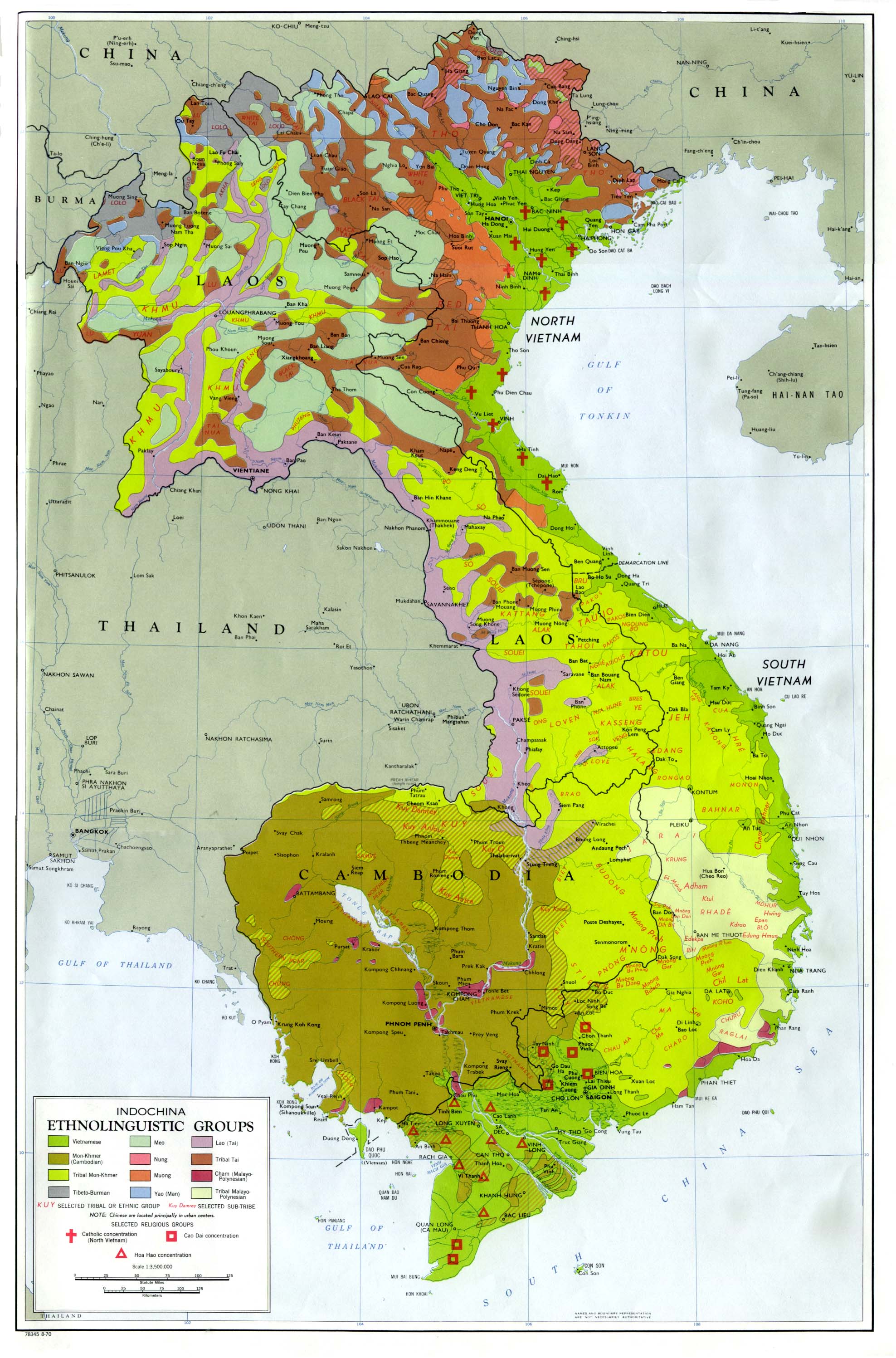

The Tahang people are a very small ethnic minority found in southern Laos, especially in the southern portion of Pakxong District in Champasak Province. Reports indicate that the Tahang have only been identified within Laos, with a population estimated at only a few hundred people. Their small size and remote location have contributed to their relative isolation from the outside world.
French researcher Laurent Chazee identified the Tahang as a distinct ethnic group in his studies of Laos' ethnic minorities during the 1990s. Their primary language is reportedly Talieng, connecting them linguistically with other Mon Khmer-speaking peoples of southern Laos.
Champasak Province has a long and complex history. Ancient kingdoms and trade routes once passed through southern Laos, and the region was influenced by the old Funan and Chenla empires centuries ago. Yet many highland minority groups such as the Tahang remained largely outside the political and religious centers of lowland Lao society. Their mountainous environment helped preserve traditional customs and ways of life.
Like many rural peoples in Laos, the Tahang experienced the disruptions of war, political change, and economic hardship during the twentieth century. Even today, many villages in southern Laos remain difficult to access, especially during the rainy season. Isolation has protected aspects of Tahang identity while also limiting opportunities for education, healthcare, and outside ministry.
Very little detailed information exists specifically about the Tahang, but their daily lives are likely similar to neighboring ethnic groups in southern Laos. Most families probably depend on subsistence agriculture, especially rice farming, for survival. They may also grow vegetables, cassava, bananas, or corn while raising small livestock such as pigs and chickens.
Southern Laos is known for forested mountains, fertile plateaus, and seasonal rainfall. Families in rural villages often work together closely during planting and harvest seasons. Community cooperation is important because farming in rugged terrain requires significant labor and mutual support.
Homes are commonly built from wood and bamboo using locally available materials. Villages are usually organized around extended family relationships and traditional leadership structures. Elders often play an important role in preserving customs, resolving disputes, and overseeing ceremonies connected to agriculture and village life.
Like many minority peoples in Laos, the Tahang likely face economic limitations and restricted access to public services. Healthcare, transportation infrastructure, and educational opportunities are often limited in remote rural areas. Young people may increasingly leave villages in search of work or schooling elsewhere, creating pressure on traditional culture and family life.
Traditional storytelling, music, and ceremonial gatherings probably remain important means of preserving cultural identity. Oral tradition is especially significant among smaller ethnic groups where written resources are limited.
The Tahang primarily follow traditional ethnic religion centered on animism and spirit beliefs. Spiritual forces are believed to influence health, harvests, weather, family well-being, and daily events. Rituals and offerings may be performed to seek protection from harmful spirits or blessing from benevolent ones.
Like many Mon Khmer-related peoples of Laos, the Tahang likely believe that spirits inhabit forests, rivers, fields, homes, and natural features of the environment. Ancestor respect may also play an important role in maintaining family harmony and spiritual balance.
Fear of offending spirits can shape many daily decisions and cultural practices. Illness, crop failure, or misfortune are often interpreted spiritually, leading families to seek help through rituals or village spiritual leaders. In many animistic societies, sacrifices and ceremonies are intended to restore harmony between the human and spiritual worlds.
There is reportedly little to no Christian presence among the Tahang. Few have had meaningful exposure to the gospel, and there are very limited ministry resources available in their language. Scripture translation efforts have reportedly begun, but access to biblical teaching remains extremely limited.
Because the Tahang are so isolated and small in number, many may never have encountered a mature Christian believer or heard a clear explanation of salvation through Jesus Christ.
The Tahang need greater access to the gospel in culturally understandable forms. Oral Bible stories, audio Scripture resources, and patient relationship-based ministry may be especially important because of limited literacy and the oral nature of village life.
Long-term Christian workers are needed who are willing to serve faithfully in remote regions of southern Laos. Effective ministry among small ethnic minorities often requires years of language learning, trust-building, and cultural understanding.
The Tahang also face practical challenges common to many rural communities in Laos. Improved healthcare, clean water access, agricultural support, education, and transportation infrastructure would greatly benefit village life. Compassionate service ministries can provide meaningful opportunities to demonstrate Christ's love while addressing genuine needs.
If Tahang individuals choose to follow Christ, they may face pressure from family members or village leaders who fear abandoning traditional rituals could anger the spirits or disrupt community harmony. New believers will need strong discipleship, fellowship, and biblical encouragement.
Pray that the Tahang people will hear a clear presentation of the gospel in their own language and cultural setting.
Ask the Lord to free the Tahang from fear of spirits and draw them to faith in Jesus Christ.
Pray for future Tahang believers to stand firm in their faith despite social or spiritual pressure.
Ask God to raise up indigenous Christian leaders who can disciple and shepherd their own people.
Pray for the Tahang people to be adopted through the People Group Adoption Program so churches and ministries will commit to long-term prayer and outreach.
Pray for improved healthcare, education, transportation, and economic opportunity within Tahang communities.
Scripture Prayers for the Tahang in Laos.
Ethnologue
Encyclopaedia Britannica – People of Laos
Encyclopaedia Britannica – Tai Peoples
Asia Harvest
Traditional Arts and Ethnology Centre Laos
| Profile Source: Joshua Project |