




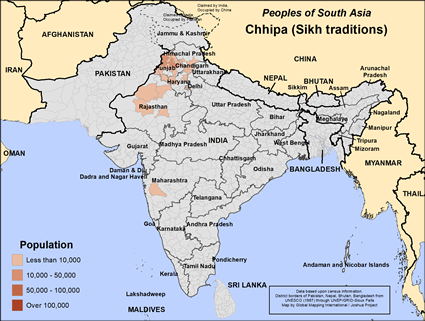
The Chhipa are a traditional artisan community found mainly in northern and western India, with historical connections to textile printing, dyeing, tailoring, and fabric decoration. The name "Chhipa" is commonly associated with cloth-printing occupations that were passed down through family lines over many generations. This particular community identifies with Sikh traditions, reflecting the strong religious and cultural influence of Sikhism in regions such as Punjab and neighboring areas.
Historically, artisan groups like the Chhipa contributed significantly to local economies through skilled handwork and textile production. Their craftsmanship became closely tied to regional trade and village life. Over time, industrial manufacturing and urbanization changed many traditional occupations, leading some Chhipa families into factory work, transportation, retail business, or other modern forms of employment. Even with these changes, community identity, family loyalty, and religious tradition continue to shape much of daily life.
Many Chhipa families live in towns, villages, and growing urban areas where they participate in a variety of occupations. Some remain involved in tailoring, cloth work, or small business activity, while others work in transportation, agriculture, labor, retail, or factory employment. Family networks are often close, and relatives frequently support one another financially and socially.
Meals commonly include flatbreads, rice, lentils, vegetables, and Punjabi regional foods. Community life is often centered around family gatherings, weddings, religious observances, and festivals that reinforce social relationships and cultural continuity. Hospitality and respect for elders remain important values in many households.
Education and economic opportunities vary widely. Some families have benefited from urban growth and improved access to schooling, while others continue to face financial instability and limited advancement opportunities. Younger generations increasingly encounter pressures from modernization, migration, and changing cultural expectations while trying to maintain traditional family and religious identity.
The Chhipa who follow Sikh traditions generally identify with Sikhism and participate in religious practices connected to the teachings of the Sikh Gurus and the Guru Granth Sahib. Worship and community life often revolve around the gurdwara, where prayer, teaching, and communal meals play important roles. Sikh festivals and religious observances help reinforce identity and tradition within the community.
At the same time, some families may also retain cultural customs and folk beliefs rooted in regional traditions. In parts of South Asia, outward religious practice can exist alongside superstitions, ritual customs, or beliefs concerning blessings, curses, and spiritual protection. These influences can create confusion about biblical truth and salvation through Jesus Christ alone.
Those who become followers of Christ may experience social pressure or rejection from relatives and the surrounding community. Believers need strong biblical discipleship, fellowship, and encouragement so their faith is grounded firmly in Scripture rather than cultural or religious tradition.
The Chhipa need greater access to the gospel through faithful Christian witness, Scripture, and discipleship that clearly presents the person and work of Jesus Christ. Many have little direct exposure to biblical Christianity and need opportunities to hear and understand the gospel in culturally meaningful ways.
Believers from Sikh-background communities often need support, mature leadership, and strong fellowship because following Christ can bring family tension or social isolation. Local churches equipped with sound biblical teaching are essential for long-term spiritual growth.
Practical needs may also include stable employment, educational opportunities, healthcare access, and guidance for younger generations navigating rapid cultural and economic change. Compassionate Christian ministry that demonstrates both truth and love can help build trust and open doors for lasting gospel witness.
Pray that the Chhipa people following Sikh traditions would come to understand the gospel clearly and place their faith in Jesus Christ alone for salvation.
Pray that believers among the Chhipa would grow in biblical maturity, courage, and faithfulness as they follow Christ in the midst of social and family pressures.
Pray that the Chhipa would be adopted through the People Group Adoption program so that sustained prayer, discipleship, and future gospel engagement would continue among them.
Pray that Christian workers serving among the Chhipa would demonstrate Christlike compassion, build meaningful relationships, and faithfully proclaim the truth of God's Word.
Scripture Prayers for the Chhipa (Sikh traditions) in India.
https://peoplegroups.org/explore/GroupDetails.aspx?peid=43612
https://www.britannica.com/topic/Sikhism
https://www.encyclopedia.com/social-sciences-and-law/anthropology-and-archaeology/people/chhipa
https://www.ethnologue.com/
| Profile Source: Joshua Project |




