


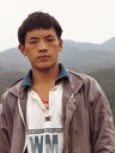

The Tanglang people are a small and little-known ethnic minority living in southwestern China, primarily in Yunnan Province near the border regions of Southeast Asia. They are part of the broad mosaic of minority peoples that inhabit the mountains and river valleys of southern China. Because of their small population and geographic isolation, relatively little detailed information has been published about their history and culture.
The Tanglang are believed to belong to the Tibeto-Burman linguistic family, which includes many ethnic groups spread across western China, Myanmar, and parts of the Himalayas. Over centuries, minority peoples in Yunnan migrated through mountain corridors, settled fertile valleys, and developed distinct languages and customs while remaining somewhat separated from the larger Han Chinese population.
Historically, Yunnan Province served as an important crossroads for trade routes linking China with Southeast Asia. Larger kingdoms and empires influenced the region politically and economically, yet many small ethnic groups like the Tanglang preserved traditional identities through village life and family-based social structures. Rugged terrain often protected minority communities from complete assimilation, though it also limited access to development and education.
During the twentieth century, political upheaval, collectivization policies, modernization, and economic reform transformed rural life throughout China. Roads, schools, and government programs brought increasing outside influence into minority areas. Younger generations today often encounter mainstream Chinese culture through education, migration, and digital technology, creating both opportunities and challenges for preserving traditional identity.
Most Tanglang families likely live in rural mountain communities where agriculture forms the center of daily life. Rice, corn, vegetables, and other crops suited to highland farming provide the basis for subsistence and local trade. Some families may also raise livestock such as pigs, chickens, or goats to supplement their income and diet.
Life in Yunnan's mountainous regions can be physically demanding. Farming steep terrain requires hard labor and close cooperation among family members and neighbors. Seasonal rhythms strongly shape village life, especially during planting and harvest periods. In many minority communities, mutual assistance between families remains an important social value.
Traditional homes in rural southwestern China are often constructed from wood, bamboo, or locally available materials. Villages may be organized around extended family relationships, with elders respected for their wisdom and knowledge of customs. Festivals connected to agriculture, ancestors, or seasonal changes continue to play an important role in maintaining community identity.
At the same time, modernization has gradually changed many aspects of life. Younger people frequently travel to larger towns and cities for work or education. Mandarin Chinese is increasingly important for economic advancement, which can place pressure on smaller ethnic languages and traditions. Access to healthcare and education has improved in some areas, though remote villages may still face economic hardship and limited opportunities.
Traditional crafts, music, storytelling, and ceremonial gatherings likely remain important cultural expressions among the Tanglang, helping preserve a sense of identity within an increasingly modern society.
The Tanglang traditionally follow ethnic religious beliefs rooted in animism and ancestor veneration. Many believe that spiritual forces influence nature, family well-being, health, and agriculture. Spirits connected to mountains, rivers, forests, and homes are often treated with reverence and caution.
Ancestor respect is commonly important among minority peoples in southwestern China, and the Tanglang likely maintain rituals honoring deceased family members. Ceremonies may be conducted to seek blessing, protection, or harmony between the living and the spiritual world. In many traditional communities, illness or hardship is sometimes viewed as evidence of spiritual imbalance.
Depending on location and outside influence, some Tanglang communities may also have been affected by Buddhism, Daoism, or Chinese folk religion. In rural China, religious practices are often blended rather than practiced separately. Festivals, offerings, and rituals can combine traditional ethnic customs with broader regional influences.
There appears to be very little Christian presence among the Tanglang. Many may have little knowledge of biblical Christianity or access to Scripture in a language they fully understand. In remote minority areas, believers can be isolated and may lack opportunities for discipleship, Christian fellowship, or theological training.
Government regulation of religion in China can also create challenges for open evangelism and church activity, especially among minority peoples in rural regions.
The Tanglang need greater access to the gospel through culturally sensitive ministry and long-term discipleship. Since so little information exists about their language and traditions, careful research and relationship-building are important for effective outreach.
Scripture resources, oral Bible stories, and audio recordings in understandable languages could help communicate biblical truth more clearly. In smaller minority communities where oral tradition remains important, personal relationships and consistent witness are often more effective than large-scale programs.
The Tanglang would also benefit from stronger access to education, healthcare, and economic opportunities in remote rural areas. Ministries that combine compassionate service with biblical teaching can demonstrate the love of Christ in practical ways while building trust within communities.
Future Tanglang believers may face social pressure from relatives or community leaders if they abandon traditional religious practices. Strong discipleship and fellowship will be essential for helping new Christians grow in faith and confidence in Christ.
Pray that the Tanglang people will hear the gospel clearly in a language and cultural form they can understand.
Pray for the Tanglang people to be adopted through the People Group Adoption Program so churches and ministries will commit to sustained prayer and outreach.
Ask the Lord to free the Tanglang from fear of spirits and reveal the truth of Jesus Christ to them.
Pray for future believers among the Tanglang to stand firm in faith despite social or governmental pressures.
Ask God to raise up local Christian leaders who can disciple and shepherd their own people.
Pray for improved healthcare, education, transportation, and economic opportunities within Tanglang communities.
Scripture Prayers for the Tanglang in China.
Ethnologue
Encyclopaedia Britannica – Yunnan Province
Encyclopaedia Britannica – Tibeto-Burman Languages
Asia Harvest
ChinaSource
| Profile Source: Joshua Project |



