Amanab in Papua New Guinea
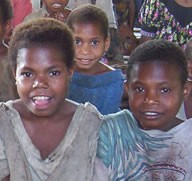
Photo Source:
Andy Minch
|
Send Joshua Project a map of this people group.
|
| People Name: | Amanab |
| Country: | Papua New Guinea |
| 10/40 Window: | No |
| Population: | 8,400 |
| World Population: | 8,400 |
| Primary Language: | Amanab |
| Primary Religion: | Christianity |
| Christian Adherents: | 97.00 % |
| Evangelicals: | 24.00 % |
| Scripture: | New Testament |
| Ministry Resources: | Yes |
| Jesus Film: | Yes |
| Audio Recordings: | Yes |
| People Cluster: | New Guinea |
| Affinity Bloc: | Pacific Islanders |
| Progress Level: |

|
Introduction / History
The Amanab in Papua New Guinea are an indigenous people of the Sandaun Province, primarily associated with the Amanab District in the northwestern part of the country. They are part of the broad and diverse tapestry of Papua New Guinea's many indigenous communities, whose histories have been maintained through oral tradition, family memory, and community continuity rather than written records. Their identity is closely tied to the Amanab language and life along river valleys and forested terrain of their home region.
What Are Their Lives Like?
Amanab communities live in rural, agrarian settings where daily life is closely connected to the land and natural environment of Sandaun Province. Families commonly engage in subsistence agriculture, tending gardens and fields to produce food for household use and occasional local trade. Fishing, hunting, and gathering supplement agricultural activity, and extended family cooperation plays a strong role in social and economic life.
Language forms a key part of daily identity; people speak Amanab in everyday conversation, while Tok Pisin is widely used as a lingua franca for wider communication within Papua New Guinea's multilingual context. Christian influence and broader national cultural patterns also shape aspects of life, including schooling, community events, and participation in regional markets.
What Are Their Beliefs?
The Amanab are identified primarily with Christianity, which is the dominant belief system in the community and influences many aspects of social values and communal life. Christian teaching, fellowship, and church participation are central to how many families express faith and shape moral frameworks. Christian beliefs emphasize the transforming hope found in Jesus Christ, and this identity is foundational among those who follow Christ within the group.
At the same time, some individuals may retain elements of traditional understanding about the unseen world shaped by local cultural heritage. These traditional perspectives, where present, are generally simple and expressed in cultural terms rather than formalized religion.
What Are Their Needs?
Although Christianity is well represented among the Amanab, there is a need for continued discipleship and spiritual growth rooted in Scripture that resonates with both language and cultural context. Resources that help believers engage meaningfully with God's Word in their heart language support lasting faith development. Portions of Scripture, including the New Testament, are available in Amanab and can serve as valuable tools for teaching and personal reflection.
Strong, faithful church leaders who can guide congregations with biblical clarity and compassion are essential for the long?term health of the church. Support for families, youth, and community discipleship efforts strengthens Christ?centered living and communal resilience in daily life challenges.
Prayer Points
Pray that believers among the Amanab in Papua New Guinea will grow in their love for and understanding of scripture, applying God's Word in their daily lives with faithfulness.
Pray for continued and deeper engagement with Scripture in ways that honor both the Amanab language and cultural identity.
Pray for faithful leaders who will shepherd and disciple believers with wisdom, humility, and compassion.
Pray that families will be strengthened in Christ?centered living and that the gospel will shape relationships, decisions, and community life.
Pray that the Amanab church will have a vision to share the hope of Jesus Christ with neighboring peoples and participate in God's mission.