Bashkardi in Iran
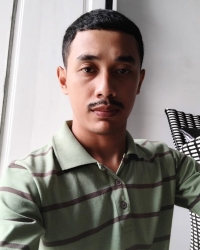
Photo Source:
Anonymous
|
Send Joshua Project a map of this people group.
|
| People Name: | Bashkardi |
| Country: | Iran |
| 10/40 Window: | Yes |
| Population: | 9,700 |
| World Population: | 9,700 |
| Primary Language: | Bashkardi |
| Primary Religion: | Islam |
| Christian Adherents: | 0.00 % |
| Evangelicals: | 0.00 % |
| Scripture: | Unspecified |
| Ministry Resources: | No |
| Jesus Film: | No |
| Audio Recordings: | No |
| People Cluster: | Baloch |
| Affinity Bloc: | South Asian Peoples |
| Progress Level: |

|
Introduction / History
The Bashkardi are an Iranian ethnic group living primarily in southeastern Iran, especially in Hormozgan Province and nearby parts of Kerman and Sistan va Baluchestan provinces. They speak Bashkardi, an Iranian language related to Persian but also influenced by neighboring Balochi dialects because of long regional contact. Their language includes several dialect varieties and remains one of the lesser-known languages of southern Iran.
Historically, the Bashkardi have lived in isolated mountain and desert regions where tribal identity and clan relationships remained strong. Many traditionally practiced semi-nomadic or rural village life centered around livestock and seasonal movement. Their geographic isolation helped preserve aspects of their language and culture but also limited access to education, healthcare, and outside influence.
The Bashkardi are distinct from the Shiite Muslim majority of Iran because they are predominantly Sunni Muslims. This religious distinction, combined with their rural and tribal background, has contributed to their social separation from much of mainstream Iranian society. Christian witness among the Bashkardi has remained extremely limited, and many have never heard a clear explanation of the gospel.
What Are Their Lives Like?
Most Bashkardi communities live in dry and rugged regions where survival often depends on livestock herding, small-scale agriculture, and manual trades. Goats and sheep are important to many families, providing food, income, and materials for daily life. Some Bashkardi are also known for pottery and traditional handicrafts.
Homes are often simple structures adapted to the harsh climate. In some rural areas, traditional homes have been built using palm branches, grass, mud, and other locally available materials. Water shortages remain a constant challenge in many Bashkardi communities, especially in isolated areas with limited infrastructure.
Family and tribal relationships play a major role in social life. Elders are respected, and community identity is closely tied to kinship networks and longstanding traditions. Hospitality remains an important cultural value, as in many tribal societies throughout Iran.
Life for many Bashkardi families is difficult because of poverty, drought, limited educational opportunities, and inadequate healthcare access. Younger generations increasingly face pressure to leave rural communities in search of work in towns and cities, which has contributed to cultural and language decline in some areas.
What Are Their Beliefs?
The Bashkardi are primarily Sunni Muslims, unlike the Shiite majority population of Iran. Islamic identity strongly shapes community life, family customs, and moral expectations. Religious practices generally include prayer, fasting, mosque attendance, and observance of Islamic festivals and traditions.
Alongside formal Islamic belief, folk religious ideas and fear of spiritual powers may also influence daily life in some communities. As in many tribal Muslim societies, people may seek protection through charms, prayers, or traditional spiritual practices connected to healing and protection from harm.
Because religion and tribal identity are closely connected, conversion to Christianity can bring strong social pressure or rejection from family and community members. Very few known believers live among the Bashkardi, and access to biblical teaching, discipleship, and Christian fellowship remains extremely limited.
What Are Their Needs?
The Bashkardi need clear access to the gospel in their own language and cultural setting. Many have never personally encountered a follower of Jesus Christ or heard the message of salvation explained from Scripture. Long-term Christian witness and discipleship are greatly needed among them.
Practical needs are also significant. Water scarcity creates ongoing hardship for many Bashkardi families and livestock herders. Remote communities may lack reliable healthcare, education, transportation, and economic opportunity. Drought and poverty continue to place strain on daily life.
The Bashkardi would benefit from compassionate ministry that addresses both spiritual and practical concerns. Clean water projects, oral Bible resources, literacy efforts, medical assistance, and relationship-based ministry could help open doors for long-term gospel engagement. There is also a need for mature believers willing to serve patiently among isolated tribal communities in southeastern Iran.
Prayer Points
Pray that the Bashkardi people would hear the gospel clearly and come to understand that forgiveness and eternal life are found only through Jesus Christ.
Pray that God would provide faithful Christian workers who are willing to serve among the Bashkardi with humility, wisdom, and perseverance.
Pray that the Bashkardi would be adopted through the People Group Adoption program so they receive sustained prayer, ongoing gospel engagement, and future discipleship efforts.
Pray that any believers among Iran's minority peoples would grow bold in sharing the truth of Christ with the Bashkardi and surrounding tribal communities.