Dida, Lakota in Côte d'Ivoire
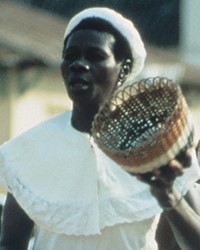
Photo Source:
Anonymous
|
Send Joshua Project a map of this people group.
|
| People Name: | Dida, Lakota |
| Country: | Côte d'Ivoire |
| 10/40 Window: | No |
| Population: | 216,000 |
| World Population: | 216,000 |
| Primary Language: | Dida, Lakota |
| Primary Religion: | Christianity |
| Christian Adherents: | 74.00 % |
| Evangelicals: | 5.00 % |
| Scripture: | Translation Started |
| Ministry Resources: | No |
| Jesus Film: | No |
| Audio Recordings: | No |
| People Cluster: | Kru |
| Affinity Bloc: | Sub-Saharan Peoples |
| Progress Level: |

|
Introduction / History
The Lakota Dida are a subgroup of the larger Dida people, who belong to the Kru ethnic family of West Africa. They are primarily located in the Lakota area of southwestern Côte d'Ivoire, where forested land and fertile soil have supported their communities for generations. Their identity is tied both to their broader Dida heritage and to their specific regional roots around Lakota.
Historically, the Dida peoples, including the Lakota Dida, lived in relatively independent village communities with strong internal leadership and traditions. Unlike some neighboring groups, they were less centralized politically, which allowed local customs and dialects to develop distinctly. Over time, contact with colonial powers—especially the French—brought changes in administration, education, and religion, while also linking the region more closely to the national structure of Côte d'Ivoire.
The Lakota Dida speak a variety of the Dida language, part of the Kru language family. French is also widely used, particularly in education, government, and trade. Oral tradition remains an important means of preserving history, values, and identity within the community.
What Are Their Lives Like?
The Lakota Dida primarily live in rural villages, though some have moved to towns and cities in search of work. Agriculture is central to their way of life. Families cultivate crops such as cassava, yams, plantains, and rice for subsistence, while cocoa and coffee are often grown as cash crops for income.
Farming is typically done using traditional methods, with family members working together to plant and harvest. In addition to agriculture, some individuals engage in small-scale trade or local crafts, especially in market towns.
Family life is structured around extended households, where cooperation and shared responsibility are essential. Elders are highly respected and play a key role in maintaining social order and passing down cultural knowledge. Marriage, childbirth, and funerals are significant events marked by communal gatherings, music, and dance.
Cultural traditions remain strong among the Lakota Dida. Festivals and ceremonies often include drumming, dancing, and storytelling, reflecting their rich heritage. Even those who move to urban areas often maintain close ties to their home villages and participate in traditional events when possible.
What Are Their Beliefs?
The Lakota Dida are associated with both Christianity and traditional African religions. Many identify as Christians, influenced by Protestant and Catholic missions that have been active in the region. Churches are present in many communities, and Christian practices such as prayer, worship services, and celebration of Christian holidays are common.
At the same time, traditional beliefs remain deeply influential. Many Lakota Dida place trust in spiritual forces, including ancestral spirits and other unseen powers believed to affect health, protection, and success. Rituals, offerings, and the use of spiritual intermediaries are often part of these practices.
These beliefs are not merely cultural expressions but reflect genuine faith in spiritual systems that shape daily decisions and responses to life's challenges. In some cases, individuals combine Christian teaching with traditional practices, resulting in a blended understanding of spiritual truth.
What Are Their Needs?
Physically, the Lakota Dida face challenges related to rural living. Access to healthcare can be limited, especially in smaller villages, and medical facilities may lack adequate resources. Clean water and sanitation are also concerns in some areas.
Education is available in many places but can vary in quality. Children in rural communities may face obstacles such as long travel distances to school or limited supplies. Economic opportunities are often tied to agriculture, making families vulnerable to fluctuations in crop yields and market prices.
Infrastructure such as roads and transportation can be underdeveloped, affecting access to markets and services. As a result, poverty remains a concern for many families.
Spiritually, the Lakota Dida need deeper discipleship and a clearer understanding of biblical truth. While Christianity is present, many continue to rely on traditional spiritual practices. Churches would benefit from strong leadership and sound teaching to help believers grow in their relationship with Jesus Christ.
There is also an opportunity for the Lakota Dida to become a strong gospel witness within their region, sharing the message of Christ with neighboring groups.
Prayer Points
Pray for improved healthcare, clean water, and educational opportunities in Lakota Dida communities.
Ask God to strengthen churches and raise up biblically grounded leaders.
Pray that individuals will turn from trust in other spiritual powers and place their faith fully in Jesus Christ.
Ask the Lord to use Lakota Dida believers to share the gospel throughout their region.