Mahamid in Chad
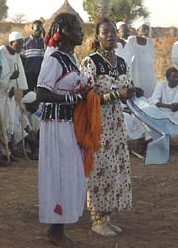
Photo Source:
Sudan 101
|
Send Joshua Project a map of this people group.
|
| People Name: | Mahamid |
| Country: | Chad |
| 10/40 Window: | Yes |
| Population: | 37,000 |
| World Population: | 305,000 |
| Primary Language: | Arabic, Chadian |
| Primary Religion: | Islam |
| Christian Adherents: | 0.00 % |
| Evangelicals: | 0.00 % |
| Scripture: | Complete Bible |
| Ministry Resources: | Yes |
| Jesus Film: | Yes |
| Audio Recordings: | Yes |
| People Cluster: | Arab, Shuwa |
| Affinity Bloc: | Arab World |
| Progress Level: |

|
Introduction / History
The Mahamid, often referred to as Diffa Arabs in Niger and Chad, are part of a broader Arab tribal network spread across the Sahara and Sahel regions of North and West Africa. They are closely associated with Arab groups who trace their ancestry to migrations from the Arabian Peninsula centuries ago, gradually moving westward across North Africa and into areas such as Chad and southeastern Niger.
The Mahamid are primarily found in the Diffa Region, a semi-arid area bordering Nigeria and Chad. Their presence in this region reflects both historical migration patterns and more recent movements influenced by trade, environmental pressures, and regional instability. As pastoral and semi-nomadic people, they have long adapted to life in harsh desert and Sahelian environments.
The Mahamid speak varieties of Arabic, often influenced by local dialects, and many are also conversant in regional languages such as Hausa or Kanuri for trade and interaction with neighboring groups. Their identity is shaped by a combination of Arab heritage, Islamic tradition, and the realities of life in the Sahel.
What Are Their Lives Like?
Life for the Mahamid is closely tied to the rhythms of the land. Traditionally, they are pastoralists who raise camels, goats, and cattle, moving seasonally in search of water and grazing land. This mobility allows them to survive in an environment where resources are scarce and unpredictable.
In recent years, some Mahamid have become more settled, particularly near towns and trade routes in the Diffa Region. These families may combine livestock herding with small-scale trade or agriculture. Markets play an important role in their economy, where they buy and sell animals, milk products, and other goods.
Family structures are typically extended and patriarchal, with strong emphasis on kinship ties and mutual support. Hospitality is highly valued, and guests are treated with generosity, even in conditions of limited resources. Social life often revolves around family, tribal relationships, and shared responsibilities.
Customs and celebrations are shaped by Islamic traditions. Events such as marriages, births, and religious holidays are important occasions for gathering and reinforcing community bonds. Despite difficult living conditions, these moments provide joy and continuity.
However, life in the Diffa Region is not easy. Environmental challenges such as drought, along with insecurity related to regional conflict, have made daily life more uncertain. Displacement and economic hardship affect many families.
What Are Their Beliefs?
The Mahamid follow Sunni Islam, which deeply influences every aspect of their lives. Their faith is not merely a cultural label but a guiding system of belief and practice. Daily prayers, fasting during Ramadan, and adherence to Islamic teachings shape their worldview and behavior.
Many also incorporate elements of folk Islam, which can include belief in spiritual forces, the use of charms or amulets for protection, and reliance on religious leaders for guidance in both spiritual and practical matters. These practices reflect a worldview in which unseen spiritual realities play an active role in daily life.
Islam provides a strong sense of identity and community for the Mahamid. However, their understanding of God is shaped by Islamic teaching, which does not include the biblical message of salvation through Jesus Christ. As a result, many have not heard or fully understood the gospel.
Those who do come to faith in Christ may face significant social pressure, as leaving Islam can lead to rejection by family or community. This makes open expressions of Christian faith rare and often costly.
What Are Their Needs?
Physically, the Mahamid face significant challenges related to their environment. Access to clean water is a constant concern, particularly for those living in remote or drought-prone areas. Healthcare is limited, and many communities lack nearby medical facilities or trained professionals.
Food security can also be unstable, especially during periods of drought or conflict. Livestock losses can have devastating effects on their livelihoods. Education opportunities are limited, particularly for children in nomadic families, which can restrict future economic prospects.
Ongoing insecurity in the Diffa Region has led to displacement for some Mahamid families, increasing their vulnerability and dependence on humanitarian aid.
Spiritually, the greatest need is access to the gospel in a way that is understandable and culturally appropriate. Few have had the opportunity to hear the message of Jesus Christ clearly. There is also a need for believers who are willing to live among them, demonstrate Christ's love, and patiently share the truth.
Where individuals do come to faith, they need discipleship, encouragement, and support to grow in their relationship with Christ despite potential opposition.
Prayer Points
Pray for access to clean water, reliable food sources, and improved healthcare.
Ask God to bring peace and stability to the Diffa Region amid ongoing conflict.
Pray that the Mahamid will have opportunities to hear the gospel and understand the truth of Jesus Christ.
Ask the Lord to give dreams of the risen and victorious Christ to Mahamid elders and family leaders, opening many to the gospel.