Nfumte in Cameroon
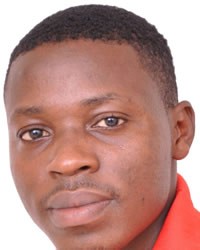
Photo Source:
Anonymous
|
Send Joshua Project a map of this people group.
|
| People Name: | Nfumte |
| Country: | Cameroon |
| 10/40 Window: | No |
| Population: | 82,000 |
| World Population: | 82,000 |
| Primary Language: | Mfumte |
| Primary Religion: | Christianity |
| Christian Adherents: | 75.00 % |
| Evangelicals: | 20.00 % |
| Scripture: | Translation Started |
| Ministry Resources: | No |
| Jesus Film: | No |
| Audio Recordings: | Yes |
| People Cluster: | Bantu, Cameroon-Bamileke |
| Affinity Bloc: | Sub-Saharan Peoples |
| Progress Level: |

|
Introduction / History
The Nfumte, also known as Mfumte, are a Grassfields Bantu people living in the Northwest Region of Cameroon, especially in the Nwa Subdivision of Donga Mantung Division. Their communities extend across several villages in northern Nwa and into parts of Taraba State in eastern Nigeria. Their history reflects the broader development of Grassfields societies—village based governance, clan networks, and long-standing ties to neighboring peoples. Over generations, they have maintained a distinct identity through language, settlement patterns, and cultural traditions shaped by the highland environment of the Cameroon–Nigeria border region.
The Nfumte speak the Mfumte language (also called Nfumte), part of the Eastern Grassfields branch of the Southern Bantoid family. Several related varieties—Ndaktup, Kwaja, Fum, and Mfumte proper—are spoken across their villages, and these may function as dialects or closely related languages.
What Are Their Lives Like?
Daily life centers on farming, herding, and small-scale trade. Families cultivate local crops, maintain small livestock, and rely on cooperative labor within extended kin groups. Village life is structured around elders, lineage heads, and community gatherings tied to agricultural cycles. Traditional crafts, oral histories, and local festivals continue to reinforce cultural cohesion.
What Are Their Beliefs?
Their largest religion is Christianity, which shapes much of their community life, moral expectations, and ceremonial rhythms. Churches play an important role in social organization, family life, and community gatherings. Alongside Christian practice, elements of older indigenous belief may persist, including respect for ancestors, traditional healing, and rituals connected to the land. These older practices often coexist quietly with Christian teaching, forming a layered religious landscape that reflects both historical continuity and newer expressions of faith
What Are Their Needs?
The Nfumte face challenges common to rural highland communities in northwestern Cameroon. Geographic isolation can limit access to healthcare, education, and transportation. Agricultural livelihoods are vulnerable to environmental pressures and limited access to improved tools or farming methods. Language preservation is also a concern, as younger generations may shift toward more dominant regional languages. Strengthening local leadership, improving community resources, and supporting cultural continuity remain important for long-term stability and well-being.
Prayer Points
Pray that Nfumte believers would grow in spiritual depth and become Christian workers who bring the hope of Christ to neighboring peoples who have not yet embraced the gospel. Pray for strong local leadership within their churches, for unity among families, and for wisdom as they navigate economic and cultural pressures. Pray for resilience in preserving their language and heritage, and for God's provision in strengthening their health, education, and livelihood systems.