Ngo, Babungo in Cameroon
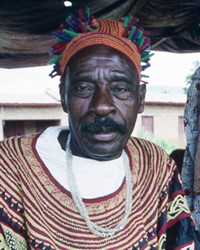
Photo Source:
Anonymous
|
Send Joshua Project a map of this people group.
|
| People Name: | Ngo, Babungo |
| Country: | Cameroon |
| 10/40 Window: | No |
| Population: | 45,000 |
| World Population: | 45,000 |
| Primary Language: | Vengo |
| Primary Religion: | Christianity |
| Christian Adherents: | 74.00 % |
| Evangelicals: | 6.00 % |
| Scripture: | New Testament |
| Ministry Resources: | Yes |
| Jesus Film: | No |
| Audio Recordings: | Yes |
| People Cluster: | Bantu, Cameroon-Bamileke |
| Affinity Bloc: | Sub-Saharan Peoples |
| Progress Level: |

|
Introduction / History
The Ngo, also known as Babungo, are a people group in the Northwest Region of Cameroon, particularly associated with the highland area around the town of Babungo and nearby villages in the Grassfields plateau. Their language, Babungo (Ngo), is part of the Grassfields Bantu language cluster, which includes a number of related tongues spoken across western Cameroon. Historically, highland communities such as the Babungo developed village chiefdoms, strong clan relationships, and interlinked social systems that have endured through centuries of local governance, agricultural cooperation, and cultural continuity.
What Are Their Lives Like?
Babungo daily life revolves around extended family and clan networks that shape cooperation in farming, decision-making, and mutual support. Agriculture is central, with households cultivating corn, plantains, yams, beans, and garden vegetables on fertile highland soils. Garden plots and fields are tended together, especially during planting and harvest seasons, reinforcing communal bonds.
Social life includes traditional celebrations, feasts, and performance of music and dance that mark weddings, burials, and seasonal festivals. Oral storytelling helps preserve history, moral teaching, and collective memory. Community structures, including village councils and traditional leaders, often work alongside modern institutions to help navigate local concerns, social responsibilities, and cooperative projects.
What Are Their Beliefs?
Christianity is the dominant religious identity among the Ngo, Babungo, with local churches serving as hubs for worship, teaching, and community involvement. Scripture portions and Christian teaching materials are used to support spiritual growth, discipleship, and personal reflection. Church life often provides structured fellowship, moral guidance, and social support.
Traditional spiritual beliefs related to ancestors, spirits, and unseen forces continue to influence spiritual understanding for many. These older worldview elements appear in ceremonial contexts, explanations of health or misfortune, and customary practices, but they typically coexist with formal Christian identity rather than replacing it.
What Are Their Needs?
Despite widespread church affiliation, many Babungo believers would benefit from deeper biblical discipleship that helps individuals apply Scripture faithfully in everyday life, family relationships, and community decisions. Pastors, teachers, and lay leaders need ongoing access to sound teaching resources and mentorship that equips them to minister with wisdom and compassion. Youth and family ministries that integrate cultural insight with biblical truth can help strengthen faith across generations. Economic and educational challenges in rural settings also affect families, and community development that supports education, infrastructure, and sustainable livelihoods fosters environments where spiritual growth can flourish.
Prayer Points
Pray that Ngo, Babungo believers would grow in a practical, Scripture-rooted faith that guides their homes, work, and community life.
Pray for pastors, church leaders, and teachers to be equipped with biblical insight, humility, love, and compassion as they shepherd their congregations.
Pray for unity, peace, and reconciliation among families and clans that reflects Christ's reconciling love.
Pray for youth and young adults to be grounded in faith and confident in standing for their beliefs amid cultural change.
Pray that the Babungo church would be a blessing to neighboring peoples with limited gospel witness.