Mbanza in Congo, Democratic Republic of
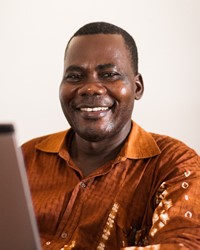
Photo Source:
Anonymous
|
Send Joshua Project a map of this people group.
|
| People Name: | Mbanza |
| Country: | Congo, Democratic Republic of |
| 10/40 Window: | No |
| Population: | 778,000 |
| World Population: | 798,400 |
| Primary Language: | Mbandja |
| Primary Religion: | Christianity |
| Christian Adherents: | 97.00 % |
| Evangelicals: | 22.00 % |
| Scripture: | Complete Bible |
| Ministry Resources: | Yes |
| Jesus Film: | Yes |
| Audio Recordings: | Yes |
| People Cluster: | Sudanic |
| Affinity Bloc: | Sub-Saharan Peoples |
| Progress Level: |

|
Introduction / History
The Mbanza—also referred to as Mbanja or Mbandza—are part of the broader Banda-related peoples found across Central Africa.
In the DRC, they are historically connected to the Banda linguistic and cultural sphere, sharing the Mbandja language and many cultural traits with communities in neighboring regions.
Their presence within the Congo Basin places them among the many Adamawa-Ubangi and Central Sudanic groups that settled in the northern DRC, contributing to the region's longstanding cultural mosaic.
Over time, geographic movement and regional pressures have shaped their identity and social networks, resulting in a community that maintains its Banda roots while adapting to the wider Congolese environment.
What Are Their Lives Like?
Like many forest and savanna communities of northern DRC, the Mbanza engage in agriculture, fishing, and forest gathering. Their livelihoods align with patterns seen among other Banda-related groups, including small-scale farming and reliance on local rivers for water and fish.
Food often includes cassava, maize, groundnuts, and locally grown vegetables. Meals are typically shared within extended families, reinforcing strong kinship ties.
Family life usually centers on communal decision-making led by elders, who guide matters related to marriage, land use, and conflict resolution. Social organization emphasizes cooperation, shared labor, and intergenerational teaching.
Celebrations may include music, drumming, dance, and community feasts. These gatherings serve to strengthen unity, observe seasonal cycles, and honor ancestors.
What Are Their Beliefs?
Christianity is widespread throughout the DRC and influences many communities, including the Mbanza. Among the Mbanza, elements of Christian practice may coexist with longstanding traditional beliefs, reflecting the broader Congolese pattern of spiritual overlap and adaptation. These beliefs involve ritual dances, offerings, and prayer as ways of maintaining harmony between people and the unseen forces that sustain life.
What Are Their Needs?
Mbanza communities, like many smaller ethnic groups in the DRC, experience limited access to healthcare, reliable transportation, education, and economic opportunities. Rural settings often face underdeveloped infrastructure and inconsistent government support.
Cultural preservation is also a need, as smaller ethnic groups risk losing language and identity within the country's vast mix of dominant cultures.
Spiritually, Mbanza believers would benefit from continued discipleship, access to Scripture in a language they understand, and support for local leaders who can strengthen faith within their community.
Where Christian presence exists, there remains a need for outreach that is respectful, contextualized, and capable of building bridges with neighboring peoples.
Prayer Points
Pray for improved access to healthcare, education, and sustainable livelihoods among the Mbanza.
Pray for the preservation of the Mbandja language and the cultural identity of Mbanza families.
Pray that followers of Jesus among the Mbanza will grow in faith and share the gospel with neighboring communities.
Pray for peace, stability, and wise local leadership that can support the well-being of Mbanza villages.