Mundani in Cameroon
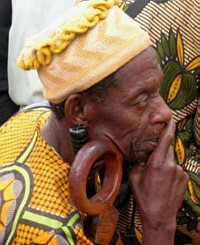
Photo Source:
Anonymous
|
Send Joshua Project a map of this people group.
|
| People Name: | Mundani |
| Country: | Cameroon |
| 10/40 Window: | No |
| Population: | 98,000 |
| World Population: | 98,000 |
| Primary Language: | Mundani |
| Primary Religion: | Christianity |
| Christian Adherents: | 73.00 % |
| Evangelicals: | 20.00 % |
| Scripture: | New Testament |
| Ministry Resources: | Yes |
| Jesus Film: | Yes |
| Audio Recordings: | Yes |
| People Cluster: | Bantu, Cameroon-Bamileke |
| Affinity Bloc: | Sub-Saharan Peoples |
| Progress Level: |

|
Introduction / History
The Mundani are an ethnic group living primarily in south-western Cameroon, particularly in the Manyu Division of the Southwest Region near the border with Nigeria. They speak Mundani, a language that belongs to the Grassfields Bantu branch of the Niger-Congo language family. The Mundani are part of the wider collection of ethnic communities that inhabit the mountainous and forested areas of western Cameroon.
Historically, the Mundani lived in small villages organized around extended families and traditional leadership systems. Chiefs and elders played an important role in maintaining social order, settling disputes, and preserving cultural traditions. Like many groups in this region, Mundani communities were influenced by regional trade networks and later by colonial administration under German and then British and French control. During the twentieth century, Christian missionary activity increased in western Cameroon, leading to the establishment of churches and schools that continue to shape religious and social life among the Mundani today.
What Are Their Lives Like?
Most Mundani people live in rural villages where agriculture forms the foundation of daily life. Families commonly grow crops such as maize, cassava, plantains, cocoyams, and vegetables, which provide food for their households and for small local markets. Some households also raise livestock such as goats, poultry, or pigs to supplement their livelihoods.
Community life is strongly influenced by extended family structures and traditional leadership, with village elders often guiding important decisions and cultural practices. Social events, ceremonies, and festivals play a key role in maintaining community identity and relationships between families. Although some Mundani people have migrated to urban centers for education or employment, many still maintain strong ties to their home villages. Like many rural communities in Cameroon, Mundani villages sometimes face challenges related to limited infrastructure, healthcare services, education, and economic opportunities, which can affect the overall well-being of families.
What Are Their Beliefs?
Most Mundani people identify as Christians, reflecting the influence of missionary work in western Cameroon during the twentieth century. Christian communities include Roman Catholic and Protestant churches, which often serve as important centers for worship, education, and community life.
However, traditional religious beliefs also remain important in some communities. These beliefs often involve respect for ancestors, spiritual forces in nature, and rituals connected to important events such as births, marriages, harvests, and funerals. In some cases, traditional practices exist alongside Christian beliefs, reflecting the way cultural traditions continue to influence spiritual life. This combination of Christian teaching and traditional worldview is common in many parts of rural Cameroon.
What Are Their Needs?
The Mundani people have both spiritual and practical needs that affect their communities. In many villages, churches play an important role in teaching and community life, but access to biblical training and theological education for pastors and church leaders can be limited. Greater opportunities for leadership training, discipleship programs, and Christian teaching resources would help strengthen local congregations and support deeper spiritual growth. Access to Scripture and teaching materials in the Mundani language could also help people understand biblical teachings more clearly within their own cultural context.
In addition to spiritual needs, many Mundani communities face practical challenges related to healthcare, education, and economic development. Rural villages may have limited medical services, schools, or employment opportunities, which can make it difficult for families to improve their living conditions. Efforts that support education, agricultural development, and access to healthcare could contribute significantly to the well-being and stability of Mundani communities.
Prayer Points
Pray that the Mundani people would grow in a deeper understanding of the Bible and share it with those who lack an adequate gospel witness.
Pray for pastors and church leaders to receive wisdom, training, and encouragement as they serve their community and others.
Pray for greater availability of Scripture and Christian teaching resources in the Mundani language.
Pray for improved education, healthcare, and economic opportunities in Mundani communities.
Pray for peace, unity, and cooperation within villages and families.