Pashtun, Southern in Italy
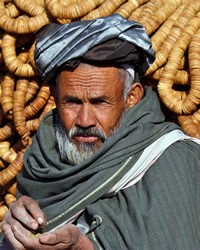
Photo Source:
chiplanay - Pixabay
|
Send Joshua Project a map of this people group.
|
| People Name: | Pashtun, Southern |
| Country: | Italy |
| 10/40 Window: | No |
| Population: | 5,100 |
| World Population: | 9,558,900 |
| Primary Language: | Pashto, Southern |
| Primary Religion: | Islam |
| Christian Adherents: | 0.00 % |
| Evangelicals: | 0.00 % |
| Scripture: | Portions |
| Ministry Resources: | Yes |
| Jesus Film: | Yes |
| Audio Recordings: | Yes |
| People Cluster: | South Asia Muslim - Pashtun |
| Affinity Bloc: | South Asian Peoples |
| Progress Level: |

|
Introduction / History
The Pashtun of Afghanistan and Pakistan have been called the largest Muslim tribal society in the world. They were the rulers of Afghanistan for over 250 years and still have much power through the Taliban. There are at least 30 major tribes, and countless sub-tribes and clans. Each clan can be friendly or hostile towards members of another particular clan, adding more divisions.
Pashtuns share a unique sense of common identity. Pashtun identity is based on four elements: Heritage (descent from a common ancestor); Islam, the Pashtunwali Code of Honor ("The Way of the Pashtun"); and to some extent, Language (Pakhtu or Pashto). Their common culture is what binds the Pashtun people together. More significant than dialectical differences, a Pashtun's primary loyalty is to his particular social group (tribe or sub-tribe).
However, different languages pose communication differences. Southern Pashto speakers live primarily in Afghanistan and Pakistan, though there is a significant Pashtun diaspora in the Arab Gulf and many Western countries. Those who speak the Southern Pashtun language live in a total of 13 countries including Italy.
What Are Their Lives Like?
Numerous initiatives, including those in Rome and Milan, offer language training, help with credential recognition, vocational coaching, and job placement support, often facilitated through cultural mediators.
Many find work in hospitality, construction, cleaning services, cooperatives, or internships, with some transitioning to permanent employment. Example: a family in Prato where the husband started in a cooperative and secured a permanent position after an internship.
Organizations like Deloitte and Pangea support Afghan women through Italian language instruction, job-skills training, and advocacy for financial independence. Refugees are placed in Italy's reception and integration centers, with ongoing needs for housing stability after leaving those facilities.
Families rely heavily on community support from NGOs such as Salesian missionaries and the Community of Sant'Egidio, as well as cultural mediators, to navigate bureaucracy, schooling, and social services.
INTERSOS and UNHCR's "PartecipAzione" initiative runs workshops across Italy on language, digital literacy, women's health, cooking, theater, and psychosocial support—often centered in cities with Afghan populations.
Groups like the Associazione Socio?Culturale Awa ETS and Afghan women–led networks (e.g., ASDD) in Milan organize advocacy campaigns, school programs, and cultural events highlighting Afghan traditions and women's rights.
Pashto language lessons, cooking classes, art projects, and storytelling circles help maintain Pashtun heritage and social bonding. Learning Italian remains essential, and many rely on cultural mediators and funded programs to bridge the gap. Foreign qualifications are often not recognized, pushing many into low-skilled jobs during early integration.
What Are Their Beliefs?
Southern Pashtuns are solidly Sunni Muslim. However, their devotion to Islam sometimes gets overshadowed by their belief in Pashtunwali, their tribal moral code.
What Are Their Needs?
Family reunification is delayed by strict income thresholds (e.g., two years of legal residency, adequate housing). Refugees—particularly women—face psychosocial strains due to past trauma, social isolation, and cultural adaptation challenges. Gender-specific obstacles: Afghan women face unique hurdles stepping into educational or employment environments within Italian society.
Southern Pashtuns in Italy demonstrate resilience through strong community networks, NGO-supported programs, and a commitment to preserving their cultural identity. While progress is evident through increasing language proficiency, work integration, and family stability, they continue to contend with bureaucratic complexity, credential barriers, and psychosocial challenges as they build new lives in Italy.
Prayer Points
Pray for the production and distribution of all forms of media in the Pashto language, including literature, videos, music, movies, radio, websites, and social media.
Pray for accuracy in the Bible translations in progress.
Pray for more workers to serve the Southern Pashtun people—in education, business, healthcare, development and other professional areas.
Pray for God's Spirit to strengthen and protect new believers and to empower their lives and witness.
Pray for Pashtun religious and family leaders to have dreams of the only Savior, drawing them to truth and righteousness.