Pira-Tapuia in Brazil
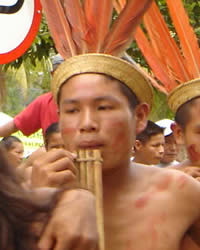
Photo Source:
Delwell30 - Wikimedia
Creative Commons
|
Send Joshua Project a map of this people group.
|

| People Name: | Pira-Tapuia |
| Country: | Brazil |
| 10/40 Window: | No |
| Population: | 1,200 |
| World Population: | 2,400 |
| Primary Language: | Piratapuyo |
| Primary Religion: | Christianity |
| Christian Adherents: | 60.00 % |
| Evangelicals: | 4.00 % |
| Scripture: | New Testament |
| Ministry Resources: | Yes |
| Jesus Film: | No |
| Audio Recordings: | Yes |
| People Cluster: | South American Indigenous |
| Affinity Bloc: | Latin-Caribbean Americans |
| Progress Level: |

|
Introduction / History
The Pira-Tapuia are an indigenous people of the northwest Amazon region in Brazil. They are part of the Tukanoan linguistic family and have long lived along river systems. Historical contact with missionaries and government agents brought significant cultural change.
What Are Their Lives Like?
Pira-Tapuia communities live in riverine villages where fishing, farming, and forest resources support daily life. Social organization emphasizes kinship and shared responsibilities. Cultural traditions remain important, even as external influences continue.
What Are Their Beliefs?
Traditional beliefs among the Pira-Tapuia include cosmological narratives, ritual practices, and spiritual explanations for health and social order. These beliefs are deeply connected to their understanding of the world. Some of them have embraced the gospel, but among them, some have mixed both worlds: shamanic and Christian beliefs.
What Are Their Needs?
The Pira-Tapuia face physical needs related to health care and sustainable living conditions. Spiritually, many need ongoing access to the gospel and solid discipleship. They need workers who will faithfully teach God's word and help raise leaders grounded in biblical truth.
Prayer Points
Pray that their hearts would hunger for the Truth and that religious barriers would be dismantled.
Ask God to raise up Christian Pira-Tapuias who can explain who Jesus is to their families and friends, so they may be open to a personal encounter with the Lord.
Pray for missionaries to embrace this tribe and to work consistently toward deep, sincere discipleship.