Pontic Greek in Cyprus
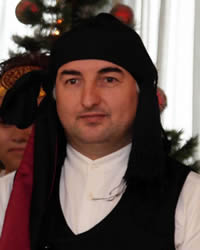
Photo Source:
Anna Diamantopoulou - Flickr
Creative Commons
|
Send Joshua Project a map of this people group.
|
| People Name: | Pontic Greek |
| Country: | Cyprus |
| 10/40 Window: | No |
| Population: | 25,000 |
| World Population: | 755,200 |
| Primary Language: | Pontic |
| Primary Religion: | Christianity |
| Christian Adherents: | 85.00 % |
| Evangelicals: | 1.00 % |
| Scripture: | Unspecified |
| Ministry Resources: | No |
| Jesus Film: | No |
| Audio Recordings: | No |
| People Cluster: | Greek |
| Affinity Bloc: | Eurasian Peoples |
| Progress Level: |

|
Introduction / History
The Pontic Greeks primarily originated from the region of Pontus on the southern coast of the Black Sea. Pontic Greeks are an ethnolinguistic Greek group whose ancestral homeland was the Pontus region along the southern coast of the Black Sea in modern northeastern Turkey.
They are an ethnolinguistic Greek group with a rich historical background. Their presence in Cyprus dates to ancient times. Migration waves occurred throughout the Byzantine and Ottoman periods, but significant movement of Pontic Greeks to Cyprus took place during the late 19th and early 20th centuries. This movement was driven primarily by economic and social factors in their homeland.
After World War II and during the Greek Civil War (1946-1949), many Pontic Greeks sought refuge in Cyprus, leading to an increase in their population on the island. Over the years, they established distinct communities, particularly in urban areas like Nicosia and Limassol. They maintained their traditions while integrating into Cypriot society.
The Pontic Greeks primarily speak Pontic Greek, a dialect that has its roots in Ancient Greek and has developed through centuries of local evolution. This distinct dialect is part of the broader Hellenic language group, reflecting the diverse linguistic backgrounds and traditions that the Pontic Greeks have carried with them to Cyprus.
What Are Their Lives Like?
Family life of Pontic Greeks in Cyprus is deeply rooted in tradition and community values, shaped by their unique cultural heritage and the broader Cypriot context. Pontic Greek families tend to be close-knit, with strong ties among extended family members. Grandparents often play a significant role in child-rearing and family decision- making. Traditional gender roles are commonly observed, with men as the primary breadwinners and women managing the household and childcare.
Parents actively instruct their children about Pontic customs, language, and history, instilling a strong sense of identity and pride in their heritage. Family gatherings during religious and cultural festivities play a vital role. Meals featuring special traditional dishes are central to family life and include recipes passed down through generations.
While embracing their distinct identity, the Pontic Greek community in Cyprus, faces challenges in balancing traditional values with modern societal influences. Although younger generations increasingly adopt mainstream Greek and Cypriot language norms, the Pontic dialect remains significant among older members.
What Are Their Beliefs?
The Pontic Greeks in Cyprus embrace a variety of beliefs shaped by their historical experiences, cultural heritage, and the predominant Greek Orthodox traditions. The majority identify as Greek Orthodox, and their faith is central to their identity, reflecting the historical religious alignment of the Pontic Greek community. Religious practices and rituals play a significant role in community life, with specific saints celebrated and local feast days acknowledged alongside traditional Orthodox practices.
While maintaining adherence to Orthodox traditions, unique Pontic customs have also developed, influenced by local variations. Folklore plays an essential role in their beliefs, with various superstitions regarding good and bad luck observed to ensure well-being. Rituals for protection, healing, and fortune are common within the community. The Orthodox Christian identity connects them with the broader Greek Cypriot religious landscape while allowing for distinctive cultural expressions.
What Are Their Needs?
The Pontic Greeks in Cyprus face specific needs shaped by their cultural identity, historical context, and contemporary circumstances. These include the preservation of their dialect and heritage. Other concerns include the need for improved employment opportunities, education, healthcare, and spiritual guidance.
Greater access to healthcare and social services is needed. Educational programs that include Pontic history, culture, and language in schools are vital for both Pontic Greek children and the broader population. Support for educational initiatives can empower more Pontic Greeks to pursue higher education, contributing to personal and community advancement.
The cultural and spiritual needs of the Pontic Greeks also merit attention. Efforts to maintain the language and preserve their cultural heritage are essential. Improved educational resources and community-building programs that support their cultural background would be helpful. While their Orthodox identity remains strong, opportunities for deeper discipleship and faith engagement within the context of their unique heritage is needed. Ministries that are sensitive to Pontic cultural backgrounds can provide meaningful support in this area.
Prayer Points
Pray that the Pontic Greeks will be drawn to trust wholeheartedly in Jesus Christ as their Savior.
Pray for the Holy Spirit to move powerfully in Orthodox churches, bringing Jesus Christ to the center of their devotion.
Pray that soon Pontic Greek Christian believers will become Christ's ambassadors to those without hope.
Pray for God's provision for improved access to employment opportunities within the community, leading to economic stability and a greater reliance on Jesus Christ as their source of strength.
Pray for opportunities that encourage stronger discipleship and spiritual engagement within the Pontic Greek community.
Pray that ministries will be culturally sensitive as they support the faith journey of the Pontic Greeks, helping them develop a solid understanding of their relationship with Christ.