Sauk-Fox, Mesquakie in United States
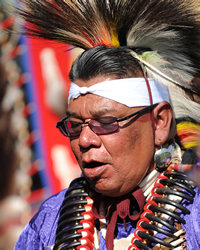
Photo Source:
DoD News - Flickr
Creative Commons
|
Send Joshua Project a map of this people group.
|
| People Name: | Sauk-Fox, Mesquakie |
| Country: | United States |
| 10/40 Window: | No |
| Population: | 800 |
| World Population: | 800 |
| Primary Language: | Meskwaki |
| Primary Religion: | Christianity |
| Christian Adherents: | 65.00 % |
| Evangelicals: | 5.00 % |
| Scripture: | Portions |
| Ministry Resources: | Yes |
| Jesus Film: | No |
| Audio Recordings: | Yes |
| People Cluster: | North American Indigenous |
| Affinity Bloc: | North American Peoples |
| Progress Level: |

|
Introduction / History
The Mesquakie—also known as the Fox—are an Algonquian-speaking Native people originally from the Great Lakes region, especially present-day Michigan, Wisconsin, Illinois, and Iowa. Their language, Meskwaki (Fox), belongs to the Algonquian language family and is closely related to Sauk and Kickapoo.
Historically, the Mesquakie were known as resilient forest and river-valley people who resisted early French fur-trade domination and survived several 18th-century conflicts known as the "Fox Wars." In the 19th century, many Mesquakie were displaced westward, but one group used their own funds to purchase land in Iowa—leading to the establishment of the Meskwaki Settlement, the only Native community in the U.S. that was self-purchased, not established by the federal government.
Today, the Meskwaki Settlement near Tama, Iowa, remains the heart of Meskwaki culture, language, governance, and community life.
What Are Their Lives Like?
Most Meskwaki people live in or near the Meskwaki Settlement in Iowa, though many also reside in nearby towns or across the Midwest. Community life combines modern American life with strong traditional identity. Families participate in tribal governance, farming, cultural preservation, business enterprises, and community events.
The Meskwaki Settlement operates schools, health services, cultural programs, and economic ventures such as hospitality, arts, and land stewardship. Traditional arts—basketry, beadwork, ribbon work, and ceremonial regalia—remain important expressions of cultural pride.
The community continues to strengthen cultural continuity through immersion programs, dance societies, storytelling, and seasonal ceremonies. Elders and youth play central roles in passing on language, values, and tribal identity.
What Are Their Beliefs?
Historically, Meskwaki spirituality was animistic, emphasizing a Creator, spirit beings, and a world filled with power and balance. Ceremonies, clans, sacred bundles, and seasonal rituals helped guide daily life, maintain harmony, and strengthen community bonds.
Many of these traditions continue today, especially within dance societies and ceremonial lodges. At the same time, Christianity reached the Meskwaki community through Catholic and Protestant missions, and some families practice a blend of Christian and traditional beliefs. Faith expressions vary widely.
While Christianity is present, many Meskwaki continue to value their ancestral beliefs, emphasizing cultural continuity and spiritual balance.
What Are Their Needs?
Though Meskwaki is actively taught in schools and community programs, it remains endangered. Continued support for teachers, learning materials, and immersive environments is vital.
Generational trauma from displacement, boarding schools, and cultural suppression still affects some families. Healing, counseling, and cultural strengthening are ongoing needs.
Access to healthcare exists, yet the community continues to address issues common in Indian Country—heart disease, diabetes, mental health struggles, and substance use.
Strong guidance, mentorship, and career pathways for youth can help preserve culture while equipping the next generation for leadership.
There is a need for hope, reconciliation, and authentic relationships that honor Meskwaki identity. Any Christian ministry must be deeply respectful, listening-focused, and rooted in service rather than force.
Prayer Points
Pray for strong families, wise parents, and resilient young people.
Ask God to protect youth from harmful influences and guide them toward hope, purpose, and leadership.
Intercede for breakthroughs in physical, emotional, and mental health—especially in areas like addictions. Pray that support systems and healing resources would continue to expand.