Vitu in Papua New Guinea
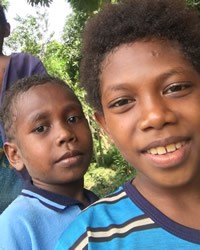
Photo Source:
Dan
|
Send Joshua Project a map of this people group.
|
| People Name: | Vitu |
| Country: | Papua New Guinea |
| 10/40 Window: | No |
| Population: | 24,000 |
| World Population: | 24,000 |
| Primary Language: | Vitu |
| Primary Religion: | Christianity |
| Christian Adherents: | 99.00 % |
| Evangelicals: | 18.00 % |
| Scripture: | New Testament |
| Ministry Resources: | No |
| Jesus Film: | Yes |
| Audio Recordings: | No |
| People Cluster: | New Guinea |
| Affinity Bloc: | Pacific Islanders |
| Progress Level: |

|
Introduction / History
The Vitu are an Indigenous people group living primarily on Vitu Island and nearby coastal areas of West New Britain Province in Papua New Guinea. Their homeland lies off the northern coast of New Britain Island, a region shaped by volcanic activity, tropical forests, and close dependence on the sea. The island setting has fostered a strong sense of shared identity and continuity over generations.
The Vitu speak the Vitu language, which remains central to daily life, oral tradition, and community cohesion. Historically, the Vitu maintained maritime connections with neighboring island and coastal peoples through canoe travel and trade. Contact with outside influences, including Christian missions, reached the Vitu earlier than many inland groups, bringing lasting cultural and spiritual change while leaving local identity intact.
What Are Their Lives Like?
Vitu life is strongly community?oriented. Extended families live close together in villages, sharing food, labor, and responsibility. Kinship ties shape marriage, leadership, and mutual support, while elders are respected for their wisdom and experience.
Livelihood revolves around both land and sea. Families maintain gardens that produce root crops, fruits, and vegetables, while fishing and shellfish gathering provide a significant portion of daily food. Canoes remain important for transport, fishing, and inter?village relationships. Meals are often shared, reinforcing relational bonds and hospitality.
Community gatherings are frequent and relational. Music, conversation, and storytelling are common features of daily life. Church activities play a major role in social life, often serving as the main setting for collective decision?making, celebration, and mutual care.
What Are Their Beliefs?
The Vitu are mostly Christian, with Evangelical faith widely present and publicly expressed. Churches are well established and influential, shaping moral values, family life, and communal expectations. Christian worship, teaching, and prayer are regular parts of village rhythm, and many openly identify their faith in Jesus Christ as central to life.
Alongside this strong Christian identity, some Vitu continue to hold elements of traditional ethnic religion. Beliefs about spirits connected to land, sea, or ancestors still influence how certain people understand illness, danger, or misfortune. In such cases, trust may be divided between Christian confession and fear of spiritual powers. While Christianity predominates, deeper discipleship remains important where blended belief persists.
What Are Their Needs?
Despite strong social ties and church presence, the Vitu face ongoing physical challenges. Access to consistent medical care is limited, particularly for emergencies or specialized treatment. Preventable illnesses and maternal health needs are concerns, especially when transport to larger service centers is required.
Clean water systems and sanitation vary between communities. Educational opportunities are mostly basic, with few pathways to higher education or vocational training. Transportation and infrastructure depend heavily on boats and weather conditions, affecting access to healthcare, schooling, and economic opportunity. Addressing these needs would support both community well?being and long?term church strength.
Prayer Points
Thank God for the strong Christian presence among the Vitu and for the gospel's long?standing influence on their communities.
Pray for deeper spiritual maturity, that believers will fully rely on Jesus Christ rather than fear spiritual forces.
Ask the Lord to raise up faithful pastors, teachers, and lay leaders who will disciple others with humility and truth.
Pray that Vitu churches will actively share the gospel and support outreach to other island and coastal peoples who lack a living witness to the Lord of lords.