Lungkhi in Myanmar (Burma)
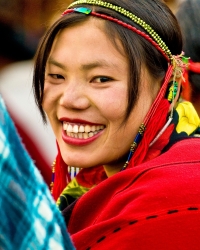
Photo Source:
Asia Harvest-Operation Myanmar
|
Send Joshua Project a map of this people group.
|
| People Name: | Lungkhi |
| Country: | Myanmar (Burma) |
| 10/40 Window: | Yes |
| Population: | 1,400 |
| World Population: | 1,400 |
| Primary Language: | Language unknown |
| Primary Religion: | Christianity |
| Christian Adherents: | 60.00 % |
| Evangelicals: | 30.00 % |
| Scripture: | Unspecified |
| Ministry Resources: | No |
| Jesus Film: | No |
| Audio Recordings: | No |
| People Cluster: | South Asia Tribal - Naga |
| Affinity Bloc: | South Asian Peoples |
| Progress Level: |

|
Introduction / History
Lungkhi people live in northern Myanmar in and surrounding the small town of Shinbwiyan in Kachin State's Tanai District. Thirty households of Lungkhi dwell in Takhet village, with nine families in Tarung and six in Kyaungkon. Another 25 families dwell in the town of Shinbwiyan itself. The Lungkhi are one of only six Tangshang-related tribes out of more than 50 profiled in Operation Myanmar that are located outside of the Sagaing Region.
It is said that the Lungkhi originated further south and migrated along the crest of the hills, which gave rise to their name, as lung means "hills" and khi means "crest or upper slope."
Four hundred Lungkhi people also live across the border in the Changlang area of Arunachal Pradesh, India, where they have been granted status as a Scheduled Tribe under the name Longphi. In India they enjoy good relations with "the neighboring Tikhak, Moshang, and Mungre through the commensal norm, similarity of dialects and participation in festivals."
In 2013, linguists visited Shinbwiyan and surveyed 480 Lungkhi people. After collecting and analyzing lists of words, they found the Lungkhi vernacular is related to four other Tangshang dialects spoken in the area (Gaqchan, Khalak, Lakki, and Shangti). Leaders from these five tribes expressed an interest in developing their own Lungkhi Bible translation team. Work on laying the groundwork for Lungkhi translation was commenced by the late missionary Robert Morse in 1960, but no translation has yet appeared, probably because the complexities of the various dialect groups proved greater than first thought.
For centuries the Lungkhi homeland was the Nanyun area in neighboring Sagaing Region before they decided to migrate about 100 miles (162 km) to Shinbwiyan in Kachin State a few decades ago. Shinbwiyan became a popular place for Tangshang-related tribes to migrate to due to its relatively easy access and fertile land. Researchers found that 53 out of 91 people they interviewed were born in the Nanyun area before coming to Shinbwiyan.
What Are Their Lives Like?
A generation ago, a marrirek (bride price) was required before a family would release their daughter in marriage. The price included "a buffalo or cow, three pigs, a gun, bronze disc, and some cash…. Both spouses had a right to seek divorce on the grounds of maladjustment, adultery, and elopement. The children remain with the father after the dissolution of the marriage." A village council judges community disputes among the Lungkhi. They also "reward those who display bravery, and any person who kills an enemy or a tiger is given high respect in the society."
What Are Their Beliefs?
Animism was the dominant religious belief among the Lungkhi for countless generations. Their main festival, kuk, is celebrated in December after the harvest season. Sacrifices of buffaloes, pigs and chickens were made to the spirits, but Christians among the Lungkhi refuse to participate in the rituals and, instead, give thanks to God for His provision. Some lament the influence of Christianity on animistic Lungkhi culture, with one visitor in the mid-1990s noting: "The traditional festivals, rituals and participation in folk songs and dances are dying a gradual death. The followers of Animism have strong feelings against the Christians, because they feel the conversion of faith changes the soul of a person."
What Are Their Needs?
After migrating to Kachin State, the Lungkhi community were influenced by Kachin Jingpo Catholics who are noted for their zealous evangelism. More than half of the Lungkhi have converted to Catholicism, while others continue to observe animistic rituals, and a small number have become Buddhists. Overall, the Lungkhi "feel better off after conversion to Christianity. A poor man can get married now, which was impossible in the past when a high bride price was required. Moreover, unnecessary expenditure on ceremonies and festivals has decreased. The people feel that Christianity has brought education, cleanliness, brotherhood, and has removed superstition."
Prayer Points
Pray that the Lungkhi people will become part of God's plan to bring every tribe and tongue into his kingdom.
Pray for a radical spiritual transformation in their families, churches, and communities.
Pray for the Holy Spirit to use Lungkhi Christians to do miraculous things, drawing others to Christ.
Intercede for freedom from fear of spirits and for hearts open to the hope found in Christ.