Zargar (Sikh traditions) in India
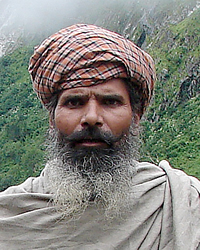
Photo Source:
Wallpaper Flare
Creative Commons
|
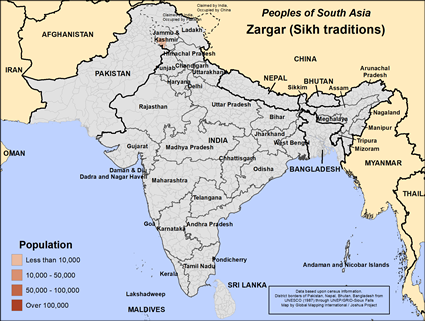
Map Source:
People Group data: Omid. Map geography: UNESCO / GMI. Map Design: Joshua Project
|
| People Name: | Zargar (Sikh traditions) |
| Country: | India |
| 10/40 Window: | Yes |
| Population: | 2,600 |
| World Population: | 2,600 |
| Primary Language: | Punjabi, Eastern |
| Primary Religion: | Sikhism |
| Christian Adherents: | 0.00 % |
| Evangelicals: | 0.00 % |
| Scripture: | Complete Bible |
| Ministry Resources: | Yes |
| Jesus Film: | Yes |
| Audio Recordings: | Yes |
| People Cluster: | South Asia Sikh - other |
| Affinity Bloc: | South Asian Peoples |
| Progress Level: |

|
Introduction / History
The Zargar (Sikh traditions), also known simply as Sikh Zargar, are a small community primarily located in the Jammu and Kashmir region of India. The name "Zargar" historically relates to skilled metalwork or goldsmithing. Their background includes a reputation in earlier centuries for nomadic or migratory lifestyles, sometimes associated with highway activities, before settling in their current areas.
They form part of the broader South Asian Sikh cultural landscape while maintaining a distinct identity within the diverse religious communities of Jammu and Kashmir. They speak primarily Eastern Punjabi, with some also using Dogri and Kashmiri. Their history reflects migration and adaptation within the Punjab and Kashmir regions, shaped by the teachings of the Sikh Gurus.
What Are Their Lives Like?
Sikh Zargar live mainly in rural and semi-urban settings in Jammu and Kashmir. Like many communities in the region, daily life involves family bonds, community interactions, and traditional occupations that may include skilled trades, agriculture, or other local livelihoods. They maintain strong cultural practices, including distinctive Sikh identity markers such as the turban for men and adherence to uncut hair.
Family and community ties are central, with marriage customs typically observed within their religious community. They navigate the challenges common to the region, including access to education, healthcare, clean water, and economic opportunities, while preserving their heritage amid modernization and cultural shifts.
What Are Their Beliefs?
The Sikh Zargar follow Sikhism, a monotheistic faith founded in the 15th century by Guru Nanak Dev Ji as a reform movement emphasizing equality, devotion to one formless God (Ik Onkar), and rejection of the caste system. Sikhs believe in living a truthful, honest life of service (seva), meditation on God's name, and following the teachings of the ten Gurus, with the Guru Granth Sahib as their eternal scripture.
Core practices include daily prayers, community worship in gurdwaras, the langar (free community kitchen open to all), and the Five Ks (articles of faith). While Sikhism teaches equality and direct access to God, many in this group, like others, blend cultural traditions with their faith. They currently have very limited exposure to the gospel of Jesus Christ.
What Are Their Needs?
The Sikh Zargar people need the transforming love and truth of Jesus Christ above all. Practically, they face regional challenges such as improved access to quality education, healthcare, clean water, and economic stability amid the complexities of Jammu and Kashmir.
Spiritually, they need culturally sensitive gospel witnesses who can share the hope of forgiveness of sins, new life in Christ, and a personal relationship with the living God. Punjabi-language Christian resources, including the full Bible and the Jesus Film, are available, yet dedicated workers who understand Sikh culture remain few. They need holistic transformation that brings spiritual renewal, strengthens families, and offers lasting hope through the grace of Jesus.
Prayer Points
Pray for the Sikh Zargar to be adopted by a church, organization, or individuals committed to long-term, prayerful engagement until a vibrant, self-sustaining movement to Christ emerges among them.
Pray that the Lord of the Harvest would raise up Punjabi-speaking church planters and missionaries specifically called to the Sikh Zargar, empowered by the Holy Spirit to share the gospel with cultural relevance and boldness.
Pray for a movement of the Holy Spirit: that God would sovereignly draw families and communities to faith in Jesus, leading to disciple-making and church planting within this people group.
Pray for open hearts and divine appointments.
Pray for practical needs: provision of clean water, healthcare, quality education, and economic opportunities.
Pray for believers from other Sikh or Punjabi backgrounds to reach out as cultural bridges, and for resources like the Punjabi Bible and Jesus Film to be effectively used.