Valluvan in India
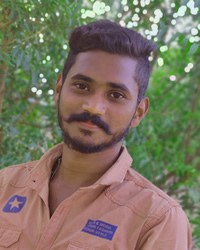
Photo Source:
Anonymous
|
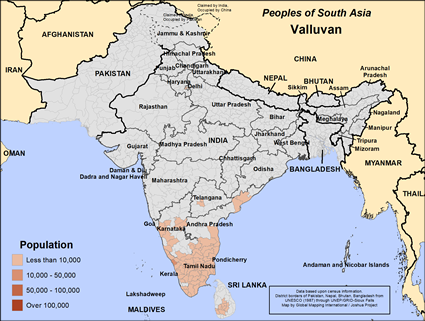
Map Source:
People Group data: Omid. Map geography: UNESCO / GMI. Map Design: Joshua Project.
|
| People Name: | Valluvan |
| Country: | India |
| 10/40 Window: | Yes |
| Population: | 123,000 |
| World Population: | 126,300 |
| Primary Language: | Tamil |
| Primary Religion: | Hinduism |
| Christian Adherents: | 0.00 % |
| Evangelicals: | 0.00 % |
| Scripture: | Complete Bible |
| Ministry Resources: | Yes |
| Jesus Film: | Yes |
| Audio Recordings: | Yes |
| People Cluster: | South Asia Dalit - other |
| Affinity Bloc: | South Asian Peoples |
| Progress Level: |

|
Introduction / History
The Valluvan are a Tamil-speaking community in Sri Lanka and southern India, historically associated with the Dalit social cluster. Their name is linked to traditional occupations such as priestly roles within Dalit communities, though in Sri Lanka they are more often identified with agricultural and labor work. The Valluvan trace their roots to South India, where they were known for ritual functions and service roles within Hindu society.
Over time, migration and settlement brought them to Sri Lanka, where they became part of the Tamil cultural fabric. Their history reflects both resilience and marginalization, as they have often lived on the edges of mainstream society while maintaining strong communal bonds.
What Are Their Lives Like?
The Valluvan live in rural and semi-urban areas, often working in agriculture, fishing, or as day laborers. Economic opportunities are limited, and many families rely on seasonal work. Family life is tightly knit, with extended households sharing resources and responsibilities. Celebrations revolve around Hindu festivals such as Pongal, Deepavali, and temple-centered rituals, which reinforce community identity.
Weddings and life-cycle ceremonies are important social events, marked by traditional Tamil music, dance, and feasting. Food is centered on rice, lentils, and curries flavored with coconut and spices, reflecting Tamil culinary traditions. Hospitality is valued, and meals are often shared communally, strengthening social ties.
What Are Their Beliefs?
The Valluvan are predominantly Hindu, with a small presence of Christianity among them. Hindu practices include devotion to deities, temple worship, and observance of seasonal festivals. Religious identity is deeply tied to cultural life, and spiritual traditions are passed down through family and community structures.
Christianity has made some inroads, but the group remains largely unreached, with little history of sustained Christian witness. Faith practices are communal, and religion is often inseparable from social and cultural identity.
What Are Their Needs?
The Valluvan face both spiritual and physical challenges. Many have not yet heard or embraced the message of Jesus Christ, and there is little history of Christian discipleship among them. Socially, they often struggle with economic instability, limited access to education, and healthcare gaps in rural areas.
Marginalization within the caste system has historically restricted opportunities, leaving families vulnerable. Spiritually, those who have encountered the gospel need encouragement and discipleship so that they may grow in faith and become part of the mission force reaching others.
Prayer Points
Pray that the Valluvan will encounter the love of Christ in ways that speak to their cultural and spiritual context.
Pray asking God to raise up believers within the community who can share the gospel with their families and neighbors.
Pray for economic stability and sustainable livelihoods, so that families can thrive and children can pursue education.
Pray for those who already know Christ, that they may be strengthened in faith and join in the mission of reaching their own people.
Pray also for openness among Hindu families to hear and receive the good news of Jesus.
Finally, pray that God will thrust out Tamil-speaking Christians to take Christ to the Valluvan community.