Gbe, Ci in Benin
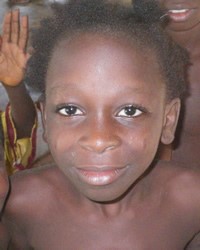
Photo Source:
Anonymous
|
Send Joshua Project a map of this people group.
|
| People Name: | Gbe, Ci |
| Country: | Benin |
| 10/40 Window: | Yes |
| Population: | 54,000 |
| World Population: | 54,000 |
| Primary Language: | Gbe, Ci |
| Primary Religion: | Christianity |
| Christian Adherents: | 70.00 % |
| Evangelicals: | 8.00 % |
| Scripture: | Portions |
| Ministry Resources: | Yes |
| Jesus Film: | No |
| Audio Recordings: | Yes |
| People Cluster: | Guinean |
| Affinity Bloc: | Sub-Saharan Peoples |
| Progress Level: |

|
Introduction / History
The Ci Gbe people live primarily in southern Benin, especially in the Ouémé and Plateau regions, within the broader Gbe cultural and linguistic cluster that spans parts of Benin, Togo, and southwestern Nigeria. They speak a variety of the Gbe language continuum, closely related to Fon and other regional dialects that developed within historic kingdoms such as Dahomey and surrounding polities. Their history is shaped by long-standing agricultural settlement, regional trade networks, and the cultural patterns common to Gbe-speaking societies.
What Are Their Lives Like?
Most Ci Gbe communities are rooted in village life where extended families live in close proximity and maintain strong kinship ties. Agriculture forms the backbone of daily life, with crops such as maize, cassava, yams, and palm products cultivated for both household use and local markets. Small-scale trading is common, and many households combine farming with petty commerce.
Family structures typically emphasize respect for elders and communal decision-making. Marriage and family life are central to social stability, and households often include multiple generations. Community gatherings, market days, and seasonal celebrations reinforce social bonds. Music, storytelling, and dance accompany festivals and rites of passage, reflecting a rich oral tradition that preserves history and moral teaching.
What Are Their Beliefs?
The Ci Gbe are religiously diverse. Most identify with Christianity, while others follow Islam or maintain traditional religious practices centered on reverence for God, ancestral spirits, and spiritual forces believed to influence daily life. In some communities, elements of these traditions may coexist.
Christian teaching and Scripture are accessible in languages understood within the Gbe cluster, supporting worship, teaching, and personal devotion. Churches are present in many areas, though levels of discipleship and biblical literacy can vary.
What Are Their Needs?
There is an ongoing need for deeper spiritual growth, strong local church leadership, and continued access to clear biblical teaching in heart languages. Rural communities may benefit from expanded educational opportunities, sustainable livelihoods, and support that strengthens families and community resilience. Encouragement for unity among believers and effective outreach within their cultural context remains important.
Prayer Points
Pray for spiritual maturity among believers and a deep love for God's word leading many to take Christ to the nations.
Pray for pastors and church leaders to serve with wisdom, humility, and faithfulness.
Pray for families to experience stability, reconciliation, love, and hope.
Pray for effective witness so that communities may encounter the message of Christ in meaningful ways.
Pray for younger generations to grow in faith and purpose.