Lolo in Mozambique
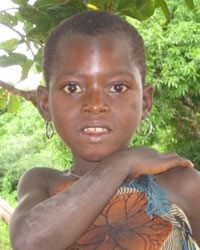
Photo Source:
Anonymous
|
Send Joshua Project a map of this people group.
|
| People Name: | Lolo |
| Country: | Mozambique |
| 10/40 Window: | No |
| Population: | 375,000 |
| World Population: | 375,000 |
| Primary Language: | Lolo |
| Primary Religion: | Ethnic Religions |
| Christian Adherents: | 35.00 % |
| Evangelicals: | 1.00 % |
| Scripture: | New Testament |
| Ministry Resources: | Yes |
| Jesus Film: | Yes |
| Audio Recordings: | No |
| People Cluster: | Bantu, Makua-Yao |
| Affinity Bloc: | Sub-Saharan Peoples |
| Progress Level: |

|
Introduction / History
They don't share the same language with ethnic groups in the same area. Theirs can be a dialect from Lomwe or Makhuwa and very close to Takwani. There are cultural traces and similarities with other groups but with differences in rituals and family customs. They differ basically only on the kind of local leadership (e.g. the "Regulo"-- the traditional local leader-- should be from the same ethnic group)
They live in the west area of the Province of Zambezia, in the Morrumbala district and around Derre. There are quite well populated towns and villages in the area.
What Are Their Lives Like?
Their subsistence activities are agriculture, trading and fishing.
They enjoy forms of recreation that are closely connected to their rural lifestyle, social relationships, and cultural traditions. Their leisure activities are typically communal and reflect the rhythms of village life.
Music and dance are central to how the Lolo spend their free time. During celebrations, weddings, and other social events, men and women gather to sing and perform traditional dances. These occasions are often accompanied by rhythmic drumming and clapping, creating a lively and participatory atmosphere. Such activities strengthen community ties and preserve cultural identity.
Conversation and social visiting also play an important role in leisure. Spending time together, talking, and maintaining relationships are valued aspects of daily life. Storytelling is another valued pastime. In the evenings, especially after the day's work is completed, families and neighbors often gather to share stories. Elders pass down folktales, historical accounts, and moral lessons, providing both entertainment and instruction for younger generations.
Festivals and communal gatherings provide some of the most enjoyable moments in Lolo life. These events frequently include feasting, music, and dancing, as well as opportunities to visit with friends and extended family. Participation in these gatherings reinforces unity within the community.
Children typically engage in simple outdoor games, making use of natural surroundings and locally available materials. Their play is imaginative and social, often involving groups of friends in shared activities.
What Are Their Beliefs?
They are animists. There is a Christian minority represented by many denominations. Most denominations teach a works-based salvation message. There is also a high syncretism between Christianity and animism. There is a kind of church far way from being considered as a genuine Christian Church. There is an influence of sect groups from Malawi that mix Christian beliefs with witchcraft practices.
What Are Their Needs?
The most basic need is for a clear understanding and faith in Jesus Christ for salvation in the existing churches. There is an openness the Bible not found in most of the unreached groups in the north of Mozambique. There are some small groups of Lolo believers that need to mature. There is a severe lack in understanding of why the Bible matters among women, especially younger women. There are also minor needs in the areas of clean water, health, education and sustainable development.
Prayer Points
Pray for a complete Bible in the Lolo language and that they will diligently study it.
Pray for revival fire to consume Lolo families and villages, drawing them to the King of kings.
Pray for power encounters; the Lord can show himself all powerful and good.