Kono in Guinea
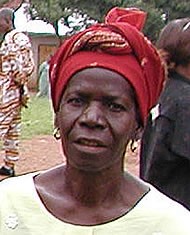
Photo Source:
Anonymous
|
Send Joshua Project a map of this people group.
|
| People Name: | Kono |
| Country: | Guinea |
| 10/40 Window: | Yes |
| Population: | 198,000 |
| World Population: | 198,000 |
| Primary Language: | Kono (Guinea) |
| Primary Religion: | Ethnic Religions |
| Christian Adherents: | 9.00 % |
| Evangelicals: | 1.76 % |
| Scripture: | Translation Started |
| Ministry Resources: | No |
| Jesus Film: | No |
| Audio Recordings: | Yes |
| People Cluster: | Mande |
| Affinity Bloc: | Sub-Saharan Peoples |
| Progress Level: |

|
Introduction / History
The Kono people are an indigenous ethnic group living primarily in the eastern region of Guinea, near the border with Sierra Leone. Their homeland is characterized by rolling hills, savannas, and forested areas, which have shaped their way of life for generations. The Kono speak their own language, also called Kono, which belongs to the Mande language family. Oral tradition and historical accounts suggest that the Kono have lived in this region for centuries, maintaining a distinct identity despite interactions with neighboring groups and the broader influences of colonialism and national development. The Kono have a rich heritage of storytelling, music, and communal life, which continues to be passed down through the generations.
What Are Their Lives Like?
Kono communities are primarily agrarian, with most families engaged in subsistence farming. They cultivate crops such as rice, millet, maize, cassava, and groundnuts, using traditional farming techniques suited to the local environment. Some also grow cash crops like coffee and cocoa, which provide additional income. In addition to farming, Kono people may hunt, fish, or gather wild fruits and vegetables to supplement their diet.
Villages typically consist of clusters of mudbrick or thatched houses, often arranged around a central meeting area. Family and kinship ties are strong, with extended families living close together and sharing resources. Elders play a significant role in community life, offering guidance, settling disputes, and preserving cultural traditions.
The Kono celebrate important life events—such as births, marriages, and harvests—with music, dance, and communal feasts. Drumming, singing, and traditional dances are central to these gatherings, reinforcing social bonds and cultural identity. Artisans among the Kono are skilled in weaving, pottery, and wood carving, passing their crafts from one generation to the next. Education is valued, but access to quality schools can be limited, especially in rural areas.
What Are Their Beliefs?
The Kono people primarily adhere to traditional African religions, placing their trust in a spiritual world inhabited by ancestors, nature spirits, and powerful unseen forces. They perform rituals, sacrifices, and ceremonies to honor these spirits, seek protection, and ensure the well-being of their families and communities. Spiritual leaders, such as diviners or elders, guide these practices and interpret signs from the spiritual realm.
Islam has also become a significant influence among the Kono, with many individuals and families practicing Islamic beliefs and observing Muslim festivals, prayers, and customs. Mosques serve as important centers for worship and community life.
There is only a small Christian presence among the Kono, and it is often limited to Roman Catholic or mainline Protestant communities. Where present, these Christians gather for worship, prayer, and the study of Scripture, seeking to follow Jesus Christ and share His message of hope and reconciliation. The gospel offers the assurance of forgiveness and new life through faith in Christ.
What Are Their Needs?
The Kono face a range of physical and spiritual needs. Many communities lack reliable access to healthcare, clean water, and quality education. Economic opportunities are limited, and families are vulnerable to poverty and the effects of environmental challenges. Spiritually, there is a need for ongoing outreach, discipleship, and the translation of Scripture and Christian resources into the Kono language. Believers often need encouragement and support as they live out their faith in a context where Christianity is a minority.
Prayer Points
Pray for improved access to healthcare, education, and clean water for Kono families.
Ask God to encourage and strengthen the small number of Kono believers as they share Christ's love in their communities.
Pray for peace and unity among the Kono, especially where different religious traditions coexist.
Request that the Kono people encounter the hope, forgiveness, and transformation found in Jesus Christ.