Tondi Songway in Mali
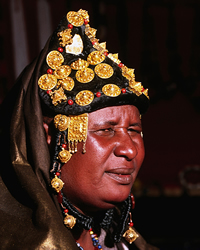
Photo Source:
Frans Lemmens - Wikimedia
Creative Commons
|
Send Joshua Project a map of this people group.
|

| People Name: | Tondi Songway |
| Country: | Mali |
| 10/40 Window: | Yes |
| Population: | 7,000 |
| World Population: | 7,000 |
| Primary Language: | Tondi Songway Kiini |
| Primary Religion: | Islam |
| Christian Adherents: | 0.00 % |
| Evangelicals: | 0.00 % |
| Scripture: | Translation Needed |
| Ministry Resources: | No |
| Jesus Film: | No |
| Audio Recordings: | No |
| People Cluster: | Songhai |
| Affinity Bloc: | Sub-Saharan Peoples |
| Progress Level: |

|
Introduction / History
The Tondi Songway are a subgroup of the Songhay ethnic family in Mali. They speak Tondi Songway Kiini, a variety of Southern Songhai, and reside in villages near Kikara, about 120 kilometers west of Hombori in the central region. Their roots trace back to the Songhay Empire of the 15th and 16th centuries, a powerful West African state built on trade routes along the Niger River, where ancestors served as farmers, traders, and warriors. The empire expanded under leaders like Sonni Ali Ber and Askia Muhammad, fostering scholarship in centers like Timbuktu. After its fall to Moroccan forces at the Battle of Tondibi in 1591, communities like the Tondi Songway persisted through fragmented kingdoms and colonial rule. French administration in the early 1900s introduced new taxes and borders, but they retained clan structures. Following Mali's independence in 1960, the group has adapted to modern challenges while upholding traditions tied to the river valley's resources.
What Are Their Lives Like?
Tondi Songway people live in rural villages along the Niger River's edges, in homes of mud bricks with thatched roofs designed for the hot, dry climate. Most work as farmers, cultivating millet and sorghum during the rainy season from June to November, while men also fish in the river or herd small livestock like goats. Women process grains, tend vegetable gardens, and trade at local markets. Family dynamics follow patrilineal lines in extended clans, with polygynous marriages common and cross-cousin unions preferred to build alliances. Elders hold authority over decisions like land use and dispute resolution, and children learn roles through daily tasks. Celebrations center on births, weddings, and harvests with singing, dancing, and praise-songs led by griots, who recite epic poetry of their heroic past. Islamic holidays like Eid al-Fitr and Eid al-Adha bring communal feasts and gift-giving. Food staples include millet prepared as thick porridge (doonu), paste (howru), or pancakes (haini maasa), often served with fish, greens, or peanut sauce from a shared bowl to foster unity.
What Are Their Beliefs?
The Tondi Songway practice Sunni Islam, with daily prayers five times a day and observance of Ramadan's fast. Community life revolves around local mosques, where imams lead Friday gatherings and teach from the Quran. Ancestral customs blend in, such as using talismans or charms for protection against evil spirits, and rituals honoring spirits tied to the land and river for fertility and health. Griots preserve moral stories that emphasize community harmony, honesty, and respect for elders, drawing from both Islamic principles and traditional folklore.
What Are Their Needs?
Access to irrigation systems would extend farming beyond the rainy season, securing food supplies in the Sahel's variable climate. Healthcare facilities equipped for common issues like malaria and malnutrition are distant from villages, straining families. Educational resources in Tondi Songway Kiini could preserve the language while preparing youth for broader opportunities. Peace amid regional conflicts would allow safe trade and movement. Spiritually, encounters with the gospel would deepen understanding of God's love and purpose.
Prayer Points
Pray for Tondi Songway individuals to meet Jesus Christ personally, embracing him as the answer to spiritual longings and becoming active in sharing his message.
Pray for bountiful harvests and healthy livestock to sustain families through dry seasons and reduce daily hardships.
Pray for strong clan leaders to guide communities toward peace, resolving disputes with wisdom rooted in faith.