Govigama in Sri Lanka
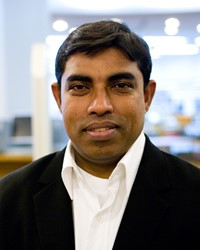
Photo Source:
Sanath Athukorala
|
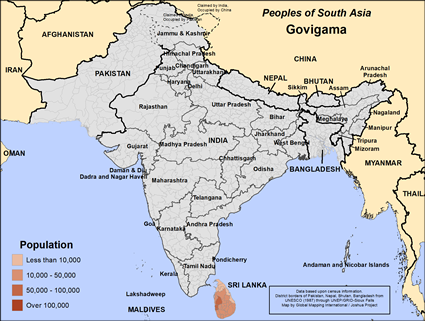
Map Source:
People Group data: Omid. Map geography: UNESCO / GMI. Map Design: Joshua Project
|
| People Name: | Govigama |
| Country: | Sri Lanka |
| 10/40 Window: | Yes |
| Population: | 606,000 |
| World Population: | 606,000 |
| Primary Language: | Sinhala |
| Primary Religion: | Buddhism |
| Christian Adherents: | 6.90 % |
| Evangelicals: | 0.00 % |
| Scripture: | Complete Bible |
| Ministry Resources: | Yes |
| Jesus Film: | Yes |
| Audio Recordings: | Yes |
| People Cluster: | South Asia Buddhist |
| Affinity Bloc: | South Asian Peoples |
| Progress Level: |

|
Introduction / History
The Govigama are the largest and most influential caste among the Sinhalese people of Sri Lanka. Historically, they were landowners and farmers, forming the backbone of the island's agrarian economy. Under the Kandyan kingdom and later colonial rule, Govigama families often held positions of authority in villages and were closely tied to Buddhist temple patronage. Over time, modernization and urbanization have diversified their roles, but their identity as a respected social group remains strong.
What Are Their Lives Like?
Govigama families traditionally lived in rural areas, cultivating rice and other crops. Today, many continue farming, while others have moved into government service, business, and professional careers. Family life is deeply valued, with respect for elders and strong kinship ties shaping social interactions. Celebrations center on Buddhist festivals such as Vesak and the Sinhala New Year, which include rituals, games, and sharing traditional foods like kiribath (milk rice), kavum (oil cakes), and coconut-based sweets. Meals typically feature rice with vegetable curries, fish, and spices. Education is highly prized, and parents often invest heavily in their children's schooling to secure better futures.
What Are Their Beliefs?
The Govigama people follow Theravada Buddhism, emphasizing the teachings of the Buddha, meditation, and merit-making through acts of generosity and temple offerings. Temples serve as spiritual and social hubs, hosting festivals and rituals that reinforce community bonds. Astrology and folk practices often accompany religious observances, influencing decisions about marriage, business, and auspicious times for ceremonies. While Buddhism shapes their worldview, many remain deeply rooted in cultural traditions that blend with religious life.
What Are Their Needs?
The Govigama face challenges related to economic transitions and cultural identity. Rural communities often struggle with limited access to healthcare and quality education, while urban migration can lead to social fragmentation. Spiritually, most have never heard a clear presentation of the gospel, and there are few believers among them who can share Christ's love in culturally relevant ways. There is a need for contextualized outreach and discipleship that honors their heritage while introducing them to the hope found in Jesus Christ.
Prayer Points
Pray for the Govigama people to encounter the truth of Jesus Christ and experience his transforming love.
Ask God to raise up workers who can share the gospel in culturally sensitive ways among this community.
Pray for improved access to education and healthcare, especially in rural areas where resources are scarce.
Intercede for any Govigama believers to grow strong in faith and become part of the mission force reaching others in Sri Lanka and beyond.