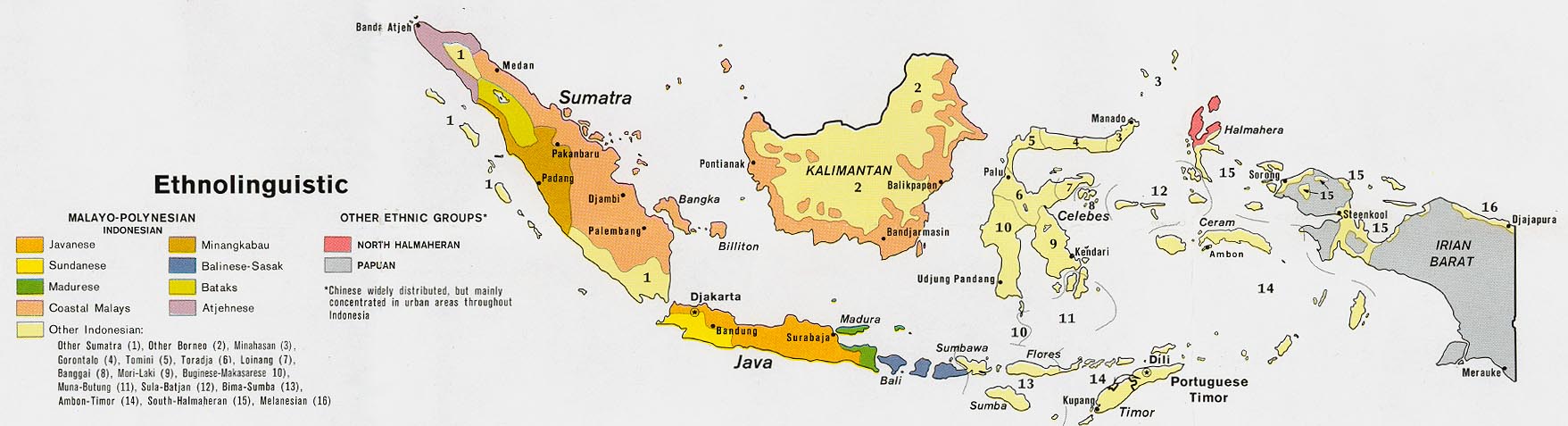
The Central Asmat people live in the lowland swamps and tidal river systems of southern Papua, Indonesia. They are part of the wider Asmat cultural world known for its intricate woodcarving, complex kinship ties, and deep connection to the forest and rivers. Historically, Central Asmat villages were semi-isolated due to the region's dense mangroves and shifting waterways. Movement was traditionally by canoe, and their communities formed around clan houses that served as ceremonial and social centers.
In earlier generations, Central Asmat society was shaped by inter-village alliances, ceremonial feasts, and ancestral veneration. In the mid-20th century, increased contact with outside traders, government workers, and missionaries brought new forms of education, health care, and village structure. Over time, many communities shifted from fully traditional housing platforms to mixed settlement patterns that include both raised wooden homes and more modern materials. Although their region is remote, the Central Asmat have developed a long history of adapting outside influences into their own cultural rhythm while maintaining their artistic heritage.
Many Central Asmat families continue to rely heavily on sago as a staple food, processing it from the sago palm groves that are central to their daily lives. Fishing, gathering forest products, and small-scale hunting supplement their diet. In recent years some have taken part in wage labor, especially in towns or through local development projects. Men may also earn income by carving masks, shields, and figurines, which remain highly valued pieces of Asmat identity and are sold in regional art markets.
Family ties are strong, with extended kin often sharing responsibilities in child-rearing and food gathering. Traditional clan houses still play a symbolic role, even when modern schools or churches host most community events. Ceremonies such as initiation rituals, memorial feasts, and artistic gatherings continue in adapted forms. These events bring families together and reinforce their cultural identity, even as new generations participate in schooling and outside economic opportunities.
Today, most Central Asmat people identify as Christian. Churches have become important centers of communal life, and many households participate in regular worship and teaching. At the same time, ancestral traditions continue to influence their worldview in subtle ways. Older forms of spiritual practice—such as honoring ancestors, interpreting dreams, and recognizing spirits connected to the forest or river—may blend with Christian belief at the community level.
While the Christian identity of the Central Asmat is well established, the depth of biblical understanding varies from village to village. Some communities have strong local leadership and vibrant fellowship, while others still navigate the transition from a largely animistic worldview toward a fully Christ-centered life. Many believers are eager for discipleship, teaching, and opportunities to grow deeper in their faith.
The Central Asmat people continue to face health challenges due to geographic isolation, limited medical access, and environmental conditions such as flooding and waterborne illness. Educational resources vary, and many children have difficulty reaching or remaining in school due to distance or seasonal travel barriers. Economic opportunities are also limited, which can make young adults feel torn between traditional village life and the pull of coastal towns.
Spiritually, there remains a strong need for well-trained local pastors, discipleship tools that resonate with their cultural setting, and mentoring for young Christian leaders. Believers need encouragement as they balance cultural traditions with biblical truth. Access to Scripture teaching in languages they understand best is valuable for strengthening the church across Central Asmat villages.
Pray that Central Asmat believers will grow in confidence as followers of Jesus and that local churches will become centers of spiritual strength and unity.
Ask the Lord to raise up mature leaders who can teach Scripture clearly and shepherd their communities with wisdom and compassion.
Pray for improved access to medical care, clean water, and sustainable livelihood opportunities that support family stability.
Intercede for young people as they navigate the tension between modern influences and their ancestral heritage, asking that they find identity and hope in Christ.
Pray that Christian workers—both local and from outside—will partner effectively with Central Asmat families to see long-term transformation through the gospel.
Scripture Prayers for the Asmat, Central in Indonesia.
Ethnographic studies of Asmat cultural traditions
Anthropological reports on Papua lowland communities
Regional church and mission histories
Cultural documentation produced by Indonesian and international researchers.
| Profile Source: Joshua Project |