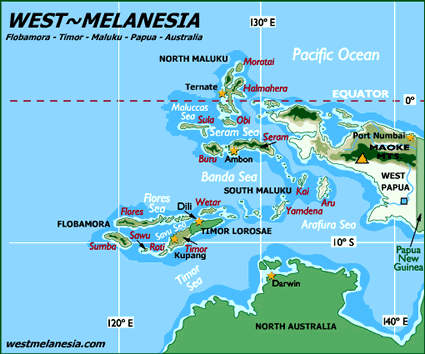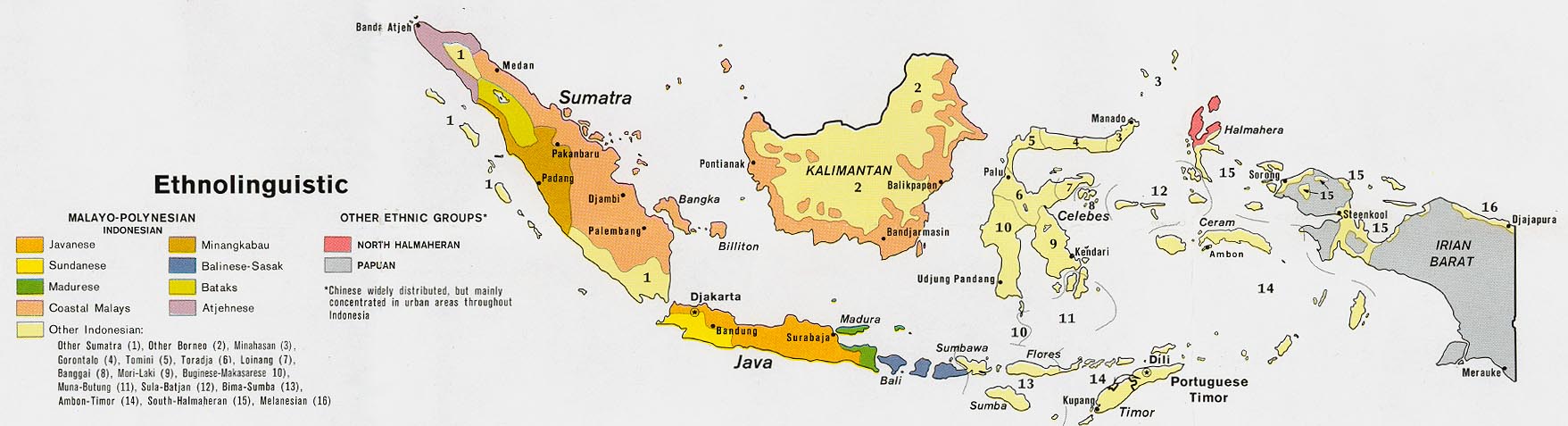
The Biak people are an indigenous Melanesian ethnic group originating from Biak Island and nearby islands in Cenderawasih Bay, Papua, Indonesia. For centuries, they were known as skilled navigators, traders, and seafarers, maintaining wide maritime networks that linked them with other coastal Papuan and eastern Indonesian communities. Their oral histories describe ancestral migrations, clan alliances, and deep connections to the sea and ancestral lands. The Biak language belongs to the Austronesian family and is notable for its rich oral poetry and ceremonial speech. Over time, Biak communities have woven together older cultural traditions with outside influences introduced through contact with traders, colonial administrators, and later, national integration into modern Indonesia.
Many Biak families balance traditional livelihoods with modern forms of work. Fishing—especially reef and near-shore fishing—remains central to daily life, both as a source of food and identity. In rural areas, people cultivate sago, taro, bananas, and other crops in small gardens, while those closer to towns often work in education, small business, transport services, or government roles.
Family life is closely tied to clan identity. Extended families maintain strong obligations of mutual support, and important decisions often require consultation among elders. Traditional music, dance, and storytelling remain important in festivals and rites of passage. Weddings and funerals can last several days and involve exchange ceremonies that reinforce kinship ties. Community gatherings are marked by shared meals, drumming, and Biak-style dances that recount ancestral stories and maritime exploits.
Most Biak people practice a form of Christianity blended with deep respect for ancestral customs. Churches are central to community life, shaping moral teaching, weekly rhythms, and major celebrations. At the same time, cultural patterns such as honoring ancestors, maintaining sacred spaces, and observing traditional taboos continue to influence social behavior and local decision-making.
Older beliefs reflect a worldview in which spirits inhabit the sea, forests, and sky. Traces of these perspectives remain in certain ceremonies, in respect toward natural features considered sacred, and in the use of traditional chants and symbols during cultural events. While Christian faith is dominant, spiritual identity often includes this layered sense of connection to the unseen world.
Biak communities continue to adapt to rapid social and economic changes. Many rural areas need improved access to educational resources, vocational training, and reliable healthcare. Sustainable fishing practices, environmental protection, and fair economic opportunities are particularly important as coastal ecosystems face pressure from modernization and external development.
In spiritual terms, Biak believers often desire deeper discipleship, more theological resources in their own language, and strong local leadership development. Young people, especially, benefit from guidance as they navigate the tension between traditional identity, faith, and the expanding influences of urban life.
Pray that families would thrive with strong unity, healthy livelihoods, and mutual care.
Pray for local leaders, teachers, and pastors to be strengthened in wisdom, integrity, and perseverance.
Pray for Biak believers to integrate their faith with their cultural identity in ways that honor Christ and preserve what is good in their heritage.
Pray that soon, Biaks will be equipped and sent to other communities as Christ's ambassadors.
Pray for improved educational and economic opportunities, especially for youth and remote villages.
Pray for peaceful cooperation between communities, churches, and local authorities as they work for sustainable development and the wellbeing of their islands.
Scripture Prayers for the Biak, Numfor in Indonesia.
Ethnographic and cultural studies of Papuan and Melanesian coastal peoples
Academic research on Biak language, oral traditions, and regional history
Field observations, interviews, and documentation by anthropologists and local historians
I
| Profile Source: Joshua Project |