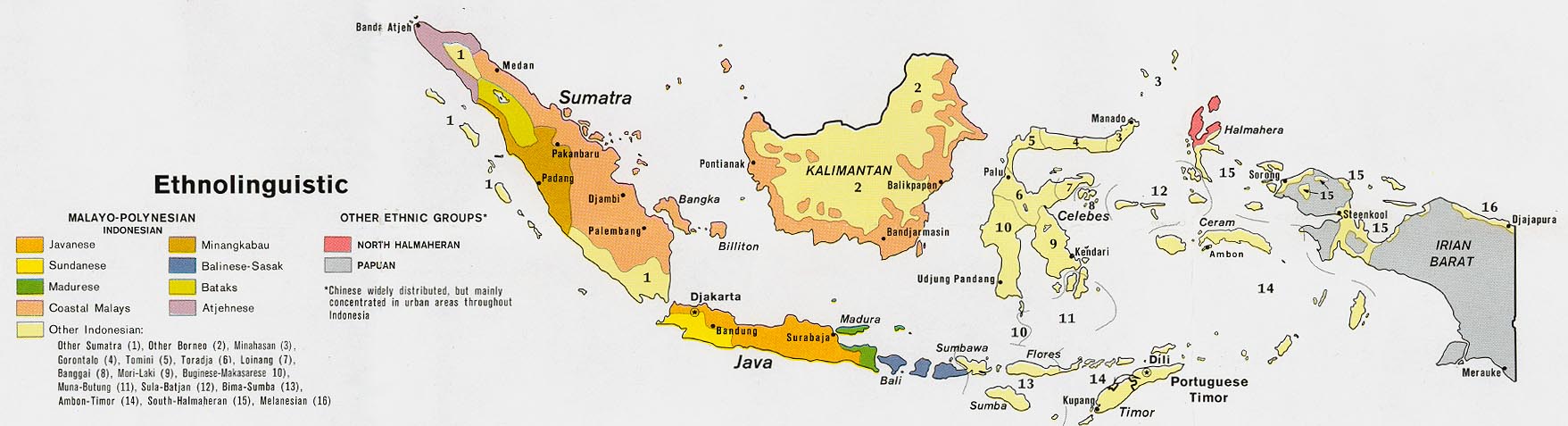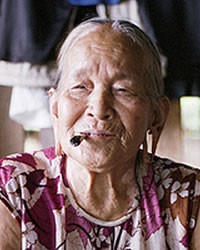

The Land Dayak people, often identified with the Bidayuh-related groups of West Kalimantan, are among the indigenous peoples of the interior regions of Borneo. Their history is shaped by long residence in forested highlands, where they traditionally lived in fortified villages and practiced shifting agriculture. Clans and longhouses formed the core of their early social structure, providing protection, shared resources, and a strong sense of identity. Over time they developed a cultural heritage expressed through oral stories, craftwork, ritual dances, and communal decision-making. Although modern roads and communication have brought change, many Land Dayak communities continue to maintain aspects of their traditional life.
Land Dayak families depend largely on farming, especially rice grown in upland fields. They also cultivate pepper, cocoa, fruit, and vegetables, while hunting, fishing, and foraging supplement their diet. Small-scale trade and occasional wage labor provide additional income. Family life is cooperative, with extended relatives often living close to one another and sharing responsibilities such as child-rearing, planting, and harvesting. Community work projects strengthen village ties, especially when building houses, repairing paths, or preparing for ceremonies.
Celebrations mark important seasons and life events, including harvest festivals, weddings, and rites connected to the agricultural cycle. Traditional dances, gong music, and shared meals have long played an essential role in reinforcing cultural identity. Their food includes rice, forest greens, freshwater fish, bamboo-cooked dishes, and meats roasted for special gatherings. While young people increasingly move toward towns for education or work, many still return to the village for major festivals.
Many Land Dayak people identify as Christian, but traditional belief systems continue to influence community life. Older practices include reverence for ancestral spirits, agricultural rituals meant to secure blessing, and ceremonies intended to protect the village from harm. In some places, these customs are maintained alongside church involvement, especially for events tied to clan identity or the planting and harvest cycles. The spiritual worldview of many families still blends biblical teaching with long-standing cultural patterns.
The Land Dayak people face physical needs related to rural isolation, limited access to healthcare, and varying agricultural conditions. Many villages depend on unpredictable rainfall, and younger generations often leave in search of education or economic opportunity. Reliable infrastructure, clean water, and sustainable farming training would strengthen community stability.
Spiritually, they need continued growth in biblical understanding and clarity about their identity in Christ. Some communities still wrestle with fear-based rituals or a mixture of beliefs that obscures the hope of the gospel. Churches would benefit from discipleship resources, trained leaders, and encouragement to participate in God's mission among neighboring groups.
Pray for reliable water sources, strong harvests, and improved healthcare access for Land Dayak families living in remote areas.
Pray that local churches will grow in maturity, unity, and confidence as they follow Christ and serve their communities.
Ask God to provide workers and leaders who can teach Scripture clearly and help families develop a firm foundation in Christ that will spread far and wide.
Scripture Prayers for the Land Dayak in Indonesia.
Ethnographic studies on Dayak and Bidayuh peoples of Borneo
Indonesian cultural and linguistic field reports
Regional studies on West Kalimantan indigenous communities
| Profile Source: Joshua Project |