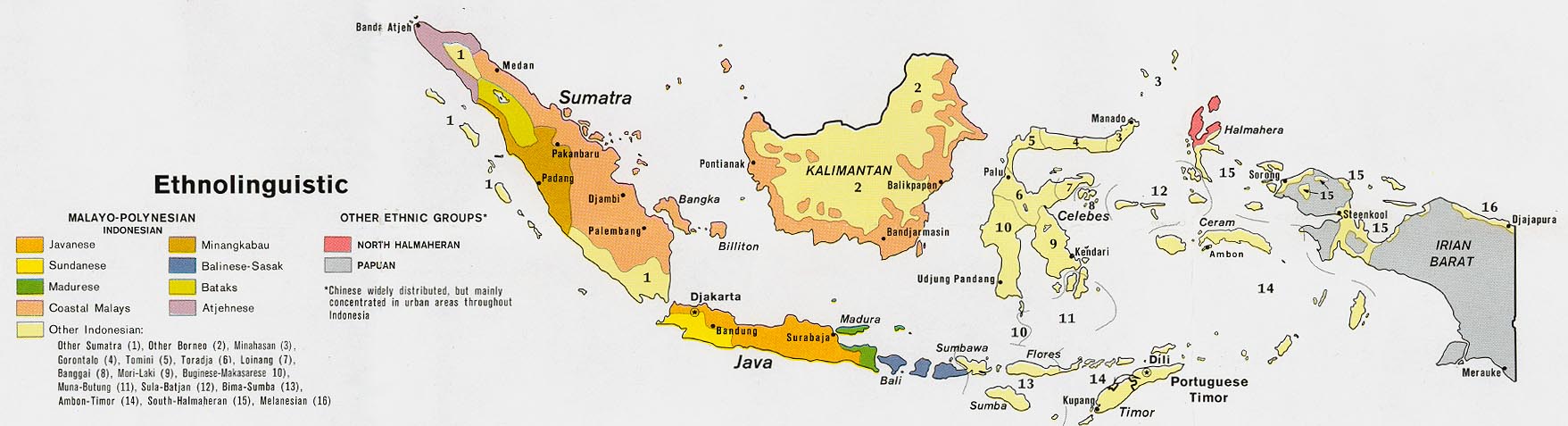
The Lamboya people live in the western region of Sumba Island in eastern Indonesia. They speak the Lamboya language, one of the traditional Sumbanese languages, and share deep cultural ties with other groups on the island while maintaining their own distinct identity. Their history is rooted in clan-based villages, megalithic burial traditions, and a strong connection to ancestral lands. For generations they have practiced a customary system known as adat, through which social order, ritual leadership, and relationships between clans are maintained. Although modern influences have increased over time, the Lamboya people continue to preserve much of their culture, especially in rural areas.
Lamboya households rely heavily on agriculture and livestock herding. Families cultivate rice, corn, beans, and cassava on dry fields, while many also raise horses, pigs, and water buffalo, which hold cultural and ceremonial significance. Family life is communal, with extended family members contributing to work, child-rearing, and decision making. Traditional homes—large wooden structures set on stilts with soaring peaked roofs—often house multiple generations.
Celebrations remain important in Lamboya society, especially during the Pasola festival, a dramatic ritual involving mounted spear-throwing that marks the agricultural cycle and reinforces clan alliances. Weddings, funerals, and harvest ceremonies also draw communities together with feasting and dancing. Their food typically includes rice, maize dishes, vegetables, and roasted or stewed meat, especially during festivals.
Many Lamboya people follow a blend of Christianity and traditional Sumbanese beliefs. Christianity has a significant place among them, though ancestral religion remains influential in many villages. Their traditional worldview includes reverence for ancestral spirits, sacrificial rituals, and practices meant to maintain harmony between the spiritual and physical worlds. Even those who participate in church life may continue to observe customary ceremonies tied to clan identity, agriculture, and the veneration of ancestors.
The Lamboya people face ongoing physical needs related to limited water access, unreliable infrastructure, and fluctuating agricultural productivity. Many families depend on rainfall for crops and livestock, which leaves them vulnerable to drought, unless they have irrigation. Educational and economic opportunities are limited in remote areas, creating challenges for younger generations.
Spiritually, Lamboya communities need access to strong, biblically grounded discipleship resources that can help families grow in faith. Some villages remain influenced by fear-based traditional practices. They would benefit from local believers who can bridge cultural gaps while helping them understand the hope and freedom found in Christ. Churches also need encouragement and training so they can participate more fully in God's global mission.
Pray that God will provide stable water sources and improved agricultural conditions so Lamboya families can flourish physically.
Pray that the Lamboya churches will grow in spiritual maturity and become a strong mission force within their own island and beyond.
Ask the Lord to raise up workers who can communicate the gospel clearly within Lamboya culture and bring hope to communities still bound by traditional fears.
Pray that the younger generation will find opportunities for education and meaningful work, and that they will encounter Jesus in life-changing ways.
Scripture Prayers for the Lamboya in Indonesia.
Ethnographic descriptions of Sumba Island
Regional cultural and linguistic resources on Sumbanese peoples
| Profile Source: Joshua Project |