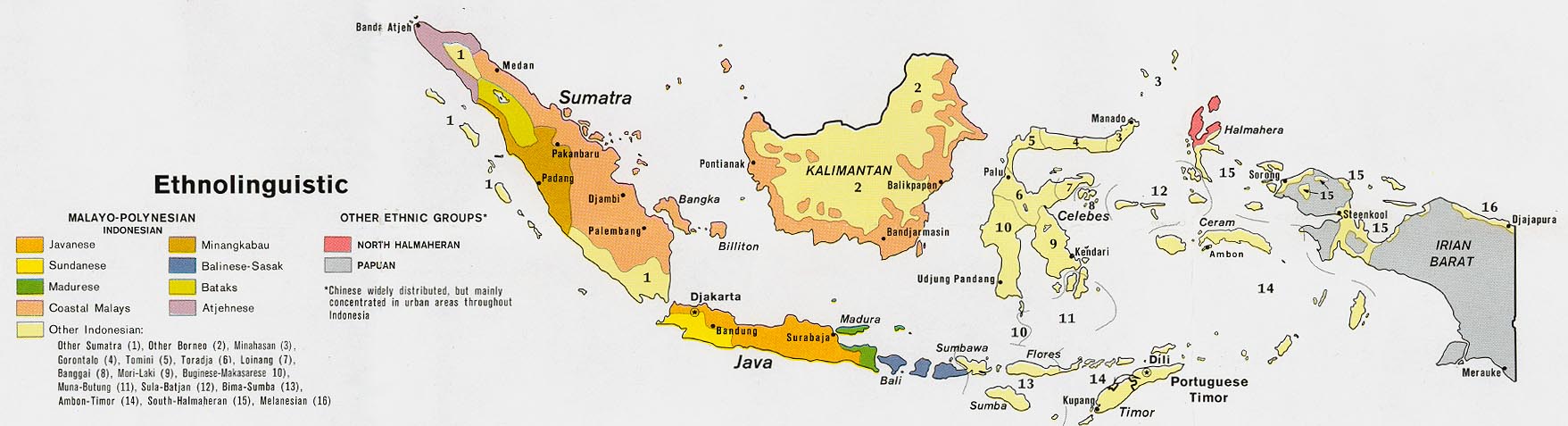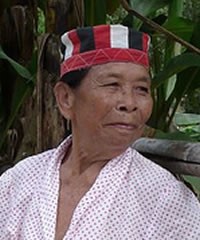

The Lara Land Dyak are an indigenous ethnic group located in the interior regions of West Kalimantan, Indonesia. They are part of the broader Land Dayak (Bidayuh) community but maintain a distinct identity through their language, customs, and village traditions.
Historically, the Lara Land Dyak lived in longhouses organized by clans, which served as both family dwellings and social centers. These longhouses fostered strong communal ties and collective decision-making. Their culture is closely connected to the forests, rivers, and agricultural lands that sustain their communities, and ancestral traditions, oral histories, and ritual practices have been preserved over generations.
Although roads, schools, and modern technology are gradually reaching their villages, much of their traditional lifestyle remains intact.
The daily life of the Lara Land Dyak revolves around subsistence farming, hunting, and gathering. Families cultivate rice, corn, tubers, and vegetables, often using shifting cultivation techniques in harmony with the natural environment. Livestock, including pigs, chickens, and goats, supplement their diet and play an important role in ceremonial life. Extended families live close together, and communal cooperation is central to planting, harvesting, building homes, and caring for children.
Celebrations and ceremonies are significant markers of social and agricultural life. Harvest festivals, weddings, and rites of passage include music, traditional dances, and communal feasts. Meals typically include rice, sago, vegetables, freshwater fish, and meat prepared in bamboo or roasted over fires. Village life is tightly knit, with intergenerational support and strong cultural identity, though younger members increasingly seek education or work outside the villages.
The Lara Land Dyak practice a blend of Christianity and traditional ancestral beliefs. Christianity has been introduced in many villages, influencing moral frameworks, church participation, and communal life. At the same time, reverence for ancestors, ritual offerings, and ceremonies tied to agricultural cycles remain important in many communities. Spiritual leadership may include both church leaders and elders who oversee traditional rites. The coexistence of these systems reflects a unique spiritual expression in which biblical teachings and ancestral respect are interwoven.
Physical challenges for the Lara Land Dyak include limited access to healthcare, education, and modern infrastructure. Agricultural reliance makes families vulnerable to seasonal changes, and remote locations can restrict economic opportunities.
Spiritually, communities require discipleship, biblical teaching, and guidance to strengthen their Christian faith. Some traditional practices can compete with the transformative message of Christ, making clear teaching and mature mentorship important. Churches and local believers would benefit from training and encouragement to take an active role in sharing the gospel within their own communities and beyond.
Pray for reliable access to clean water, stable food supplies, and healthcare for Lara Land Dyak villages.
Pray that churches will grow in spiritual maturity, unity, and effectiveness in spreading the gospel, even to Muslims who lack the hope only Jesus Christ can offer.
Ask God to raise up workers and leaders who can teach the Bible faithfully while respecting Lara Land Dyak culture and language.
Pray that young people will encounter Jesus personally, remain connected to their communities, and become agents of blessing and transformation.
Scripture Prayers for the Land Dayak, Lara in Indonesia.
Ethnographic studies of West Kalimantan indigenous communities
Linguistic and cultural research on Bidayuh and Land Dayak peoples
| Profile Source: Joshua Project |