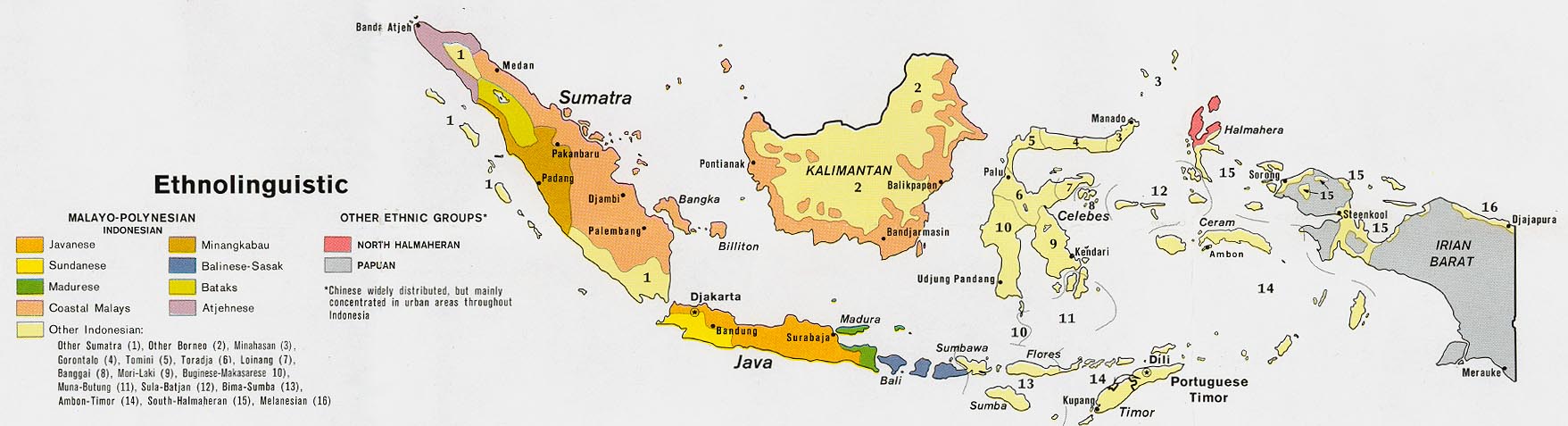
The Legenyem people live in the highlands of West Papua, Indonesia. Their language, Legenyem, belongs to the Trans–New Guinea family and is spoken alongside Indonesian, which is used for education and trade.
Historically, the Legenyem were isolated due to rugged terrain, which preserved their language and cultural traditions. Contact with outsiders increased during the 20th century, bringing Christianity and modern influences, but traditional customs remain strong in daily life.
The Legenyem live in small villages scattered across steep hillsides. Their livelihood depends on farming sweet potatoes, taro, and vegetables, along with raising pigs, which are central to their economy and social life. Their diet consists of root crops, greens, and meat from pigs.
Families are close-knit, and extended relatives often live nearby, sharing labor and resources. Community life includes traditional festivals marked by music, dance, and rituals tied to agricultural cycles. Access to healthcare and education is limited, and many households depend on subsistence living.
Most Legenyem identify as Muslim. However, traditional animistic practices persist, including reverence for ancestral spirits and nature-related rituals. Syncretism is common, where Islamic faith coexists with cultural traditions. There is also a small Christian community among them.
Healthcare and clean water are scarce in rural Legenyem communities, and economic opportunities are limited. Education quality varies, and many young people migrate for work, weakening family and community ties.
Pray that Legenyem families will experience improved health and access to clean water. Ask God to send workers who will teach Christ clearly and disciple new believers who will disciple others.
Intercede for Legenyem believers to grow in faith and join the global discipleship movement, bringing the light of Christ to their Muslim neighbors.
Scripture Prayers for the Legenyem in Indonesia.
Ethnologue: Legenyem language
SIL International reports on Papuan languages
Academic sources on West Papua indigenous peoples
Missionary field reports (public domain)
| Profile Source: Joshua Project |