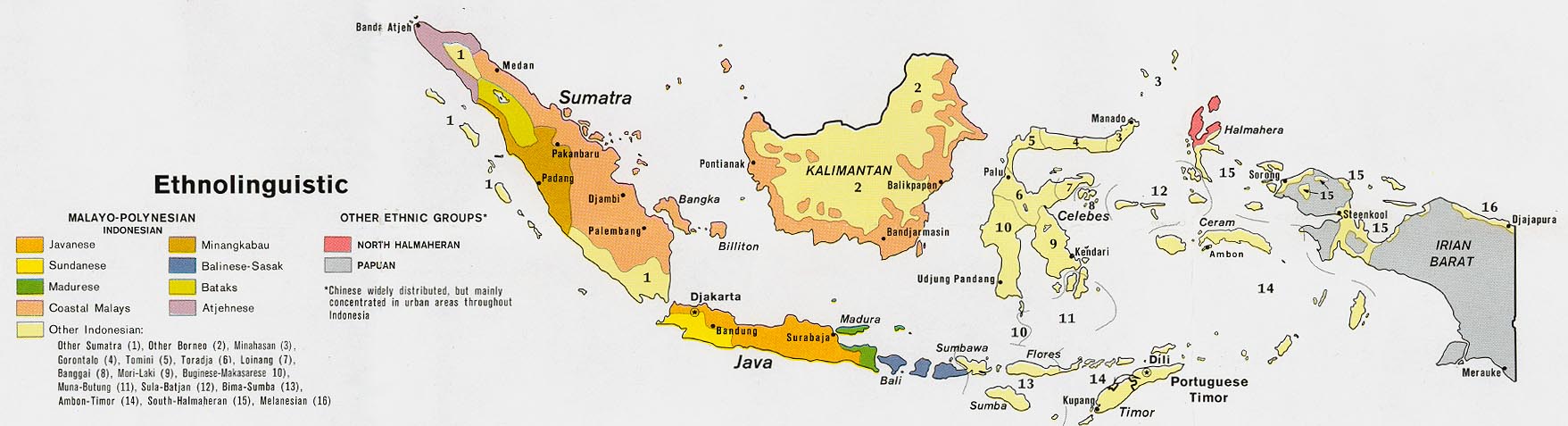
The Nafri people live along the coast just east of Jayapura in Papua, Indonesia. They speak the Nafri language, part of the Austronesian family, and maintain a distinct cultural identity despite living near a major urban center. Historically, the Nafri formed small shoreline settlements built around fishing grounds and protected bays. Their traditions recall long periods of interaction with neighboring coastal groups as well as interior Papuan peoples. Contact with traders, missionaries, and Indonesian governance increased in the twentieth century, bringing changes to education, transportation, and local economy while allowing the Nafri to retain a strong sense of heritage.
Daily life for the Nafri centers on the sea. Many men fish from wooden boats, harvesting tuna, reef fish, and other coastal species that sustain both household needs and small local markets. Women often manage gardens, gather shellfish, and sell produce or cooked foods in nearby town centers. Family structures emphasize close kinship, and relatives often live in clustered homes that strengthen mutual support. Children grow up with deep familiarity with the coastline, learning practical skills in fishing, navigation, and food preparation. Community gatherings accompany weddings, harvests, and local festivals, where families share food, music, and dance. Because of their proximity to Jayapura, many Nafri also navigate the pressures and opportunities of a growing city, including schooling, wage labor, and shifting social expectations.
Christianity has been present in the region for generations, and many Nafri identify with local churches. However, traditional beliefs concerning spirits of the sea, ancestral protection, and sacred coastal sites still influence some families. In certain contexts, older customs blend with Christian practice, leaving many without a clear understanding of the gospel's meaning for daily life. While churches are present, consistent discipleship and spiritual maturity vary across households, and Scripture engagement is limited for those who are stronger in the Nafri language than in Indonesian.
Steady employment and economic stability remain challenges as fishing pressures increase and opportunities shift toward the city. Consistent education and mentorship would help young people navigate these changes with confidence. Greater access to clear Bible teaching in both Indonesian and the Nafri language would deepen spiritual understanding and strengthen families. Partnerships between local believers and mature outside workers would support discipleship and equip Nafri Christians to share their faith both within their community and beyond their region.
Pray for God's blessing on Nafri families as they work the sea and manage their homes, asking that the Lord would protect them from storms, accidents, and economic hardship.
Lift up Nafri youth, that they will find stable educational pathways and mentors who can guide them with wisdom.
Intercede for the churches in and around Nafri communities, that the Holy Spirit will deepen their understanding of Scripture and unify believers in love and purpose.
Ask the Lord to raise up Nafri Christians who can bring the gospel to relatives who still hold strongly to older beliefs, and who can eventually join the wider mission movement throughout Indonesia.
Scripture Prayers for the Nafri in Indonesia.
Regional ethnographic notes on coastal Papua; Indonesian census and community development reports; historical and linguistic summaries of Austronesian-speaking groups in Papua.
| Profile Source: Joshua Project |