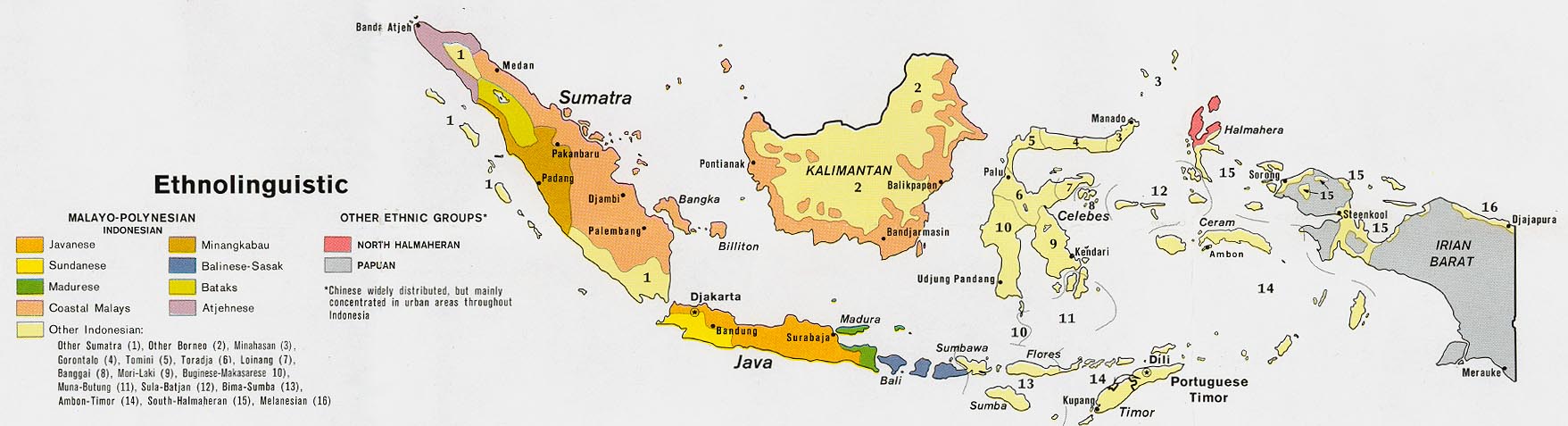
The Mori Padoe people live in the interior regions of Central Sulawesi, especially along the upper stretches of the Mori and Bongka rivers. They are part of the larger Mori cluster but retain distinct linguistic and cultural traditions.
Historically, the Mori Padoe lived in small, scattered settlements surrounded by dense forest, where they cultivated their fields and maintained clan-based social organization. During the early twentieth century, Dutch colonial authorities encouraged village consolidation and introduced new administrative structures that significantly changed traditional leadership patterns. Over time, the Mori Padoe interacted with neighboring groups through marriage and trade, yet they have maintained a strong sense of identity rooted in their land, kinship ties, and oral history.
Most Mori Padoe families rely on farming to sustain their households. Rice, corn, cassava, and sago form the core of their diet, while cacao, coffee, and cloves provide income when sold in local markets. Fishing in the rivers and gathering forest products supplement their livelihood, especially during periods when crops are not yet ready for harvest. Men often take responsibility for field preparation and construction work, while women share in planting, food processing, childcare, and daily household tasks.
Social life centers around the extended family, and elders continue to be honored for their wisdom and ability to settle community concerns. Traditional celebrations still mark major life events, and communal feasts strengthen relationships among clans. Visitors are welcomed warmly, and hospitality is expressed through shared meals that often include fish, rice, vegetable dishes, and locally grown fruit. Although modern education and transportation have increased access to the outside world, many Mori Padoe still prefer village life, where cooperation and familiar rhythms bring stability.
The Mori Padoe worldview historically included belief in ancestral spirits and unseen powers connected to the natural world. Ritual specialists once played a central role in maintaining harmony between the spiritual and physical realms.
Over time, many Mori Padoe have encountered both Christianity and Islam through nearby communities and migration. Three-fourths identify as Christian, yet Mori Padoe households blend faith in Christ with older practices, while others remain largely shaped by traditional beliefs.
Economic opportunities in the region remain limited, and families often struggle to earn steady income outside subsistence farming. Access to quality education and medical care can be difficult, especially for those living in remote villages far from larger towns. Clean water, improved roads, and agricultural support would significantly strengthen community well-being.
Spiritually, the Mori Padoe would benefit from a clear presentation of the gospel that speaks to their hopes, fears, and sense of community. Believers among them would flourish with long-term discipleship and training that equips them to share Christ's love within their own language and cultural setting.
Pray that the Mori Padoe will experience God's blessing through better health services, sustainable agriculture, and educational opportunities for their children.
Ask the Lord to open hearts throughout their villages so that the message of Jesus Christ is welcomed and understood.
Intercede for the believers already present among the Mori peoples, that they will grow in spiritual maturity and become part of the mission force reaching Muslim communities, showing the way to faith in the only Savior of humankind.
Scripture Prayers for the Mori, Padoe in Indonesia.
Ethnologue.
Indonesian cultural and regional studies resources.
| Profile Source: Joshua Project |