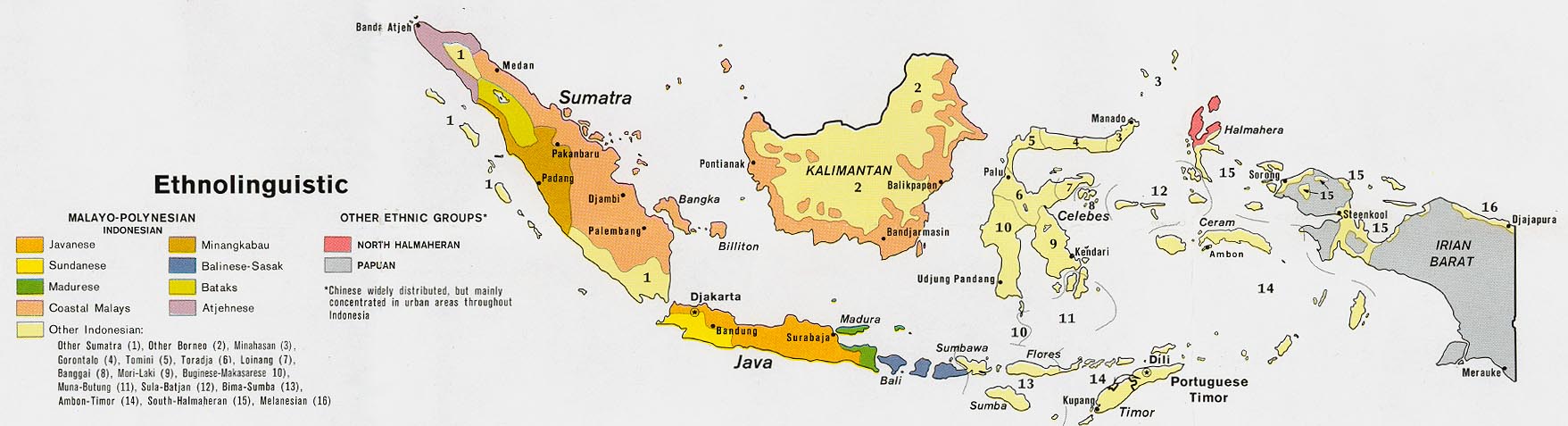
The Riung speak the Riung language, an Austronesian tongue belonging to the Central Flores linkage, though it stands distinctly apart from the Manggarai dialects spoken to the west and shows only marginal mutual intelligibility with them. The Riung inhabit the northern coastal region of Ngada Regency on Flores Island in East Nusa Tenggara province, Indonesia, centered around the town of Riung and extending to nearby villages and offshore islands within the Seventeen Islands Marine Park. Historically, the Riung lived in small, independent coastal communities organized around clan ties and maritime traditions long before significant outside contact. Over centuries, trade networks brought influences from Bugis, Makassarese, and other Muslim seafarers, leading many Riung to embrace Islam while preserving elements of their ancestral customs. This religious shift set them apart from the predominantly Catholic populations in southern Ngada and much of the rest of Flores, creating a unique cultural enclave in an otherwise strongly Christian island.
The Riung earn their livelihood primarily through fishing and small-scale farming along the fertile northern coast and nearby islands. Men venture out daily in wooden boats to catch tuna, mackerel, snapper, and shellfish using nets, lines, and spears, while women often gather clams, sea cucumbers, and seaweed at low tide or tend gardens of cassava, corn, bananas, coconuts, and vegetables. Many families also cultivate cloves and candlenuts as cash crops, and the growing tourism around the Seventeen Islands Marine Park provides occasional income through boat guiding, homestays, or selling handicrafts. Family dynamics remain strongly communal, with extended households living in clustered compounds of wooden stilt houses roofed with thatch or corrugated iron, where grandparents, parents, and children share daily tasks and decision-making under the guidance of respected elders.
Celebrations center on Islamic holidays such as Eid al-Fitr, marked by communal prayers at the mosque followed by feasts, home visits, and giving of new clothes to children, as well as weddings that feature traditional music, dances, and elaborate exchanges of gifts between clans. Food reflects their coastal setting: fresh grilled fish or squid served with rice or cassava, spicy sambal, coconut milk curries, fern salads, and tropical fruits, often prepared communally and eaten together to strengthen family and village bonds.
The Riung adhere to Sunni Islam, following the faith that shapes their daily rhythms through the call to prayer, Friday congregational worship, and observance of Ramadan fasting and charity. Religious life revolves around village mosques and guidance from local imams, with teachings drawn from the broader Indonesian Islamic tradition following the Shafi'i school. While orthodox practices form the foundation of their beliefs, most Riung continue to honor pre-Islamic customs such as rituals seeking blessings for bountiful catches or protection at sea, viewing these through an Islamic lens that acknowledges Allah's sovereignty over creation.
Reliable access to clean drinking water and basic healthcare remains inconsistent in many Riung villages, especially during the dry season when wells run low and medical clinics are distant. Educational facilities often end at the primary level, forcing children to travel far for further schooling and limiting opportunities for the younger generation. Economic stability proves challenging amid fluctuating fish stocks, damage from illegal fishing practices in nearby waters, and vulnerability to storms that disrupt livelihoods. The Riung language is gradually giving way to Indonesian among youth, threatening the loss of oral traditions and making mother-tongue engagement with Scripture difficult. Spiritually, the Riung have very little exposure to the gospel in a form that resonates with their coastal culture and heart language, with no known full Bible translation and few believers present to demonstrate the transforming love of Jesus Christ within families and clans.
Pray for the Heavenly Father to draw Riung hearts to himself through dreams, visions, and divine encounters with the only Savior.
Pray that God will raise up courageous laborers who understand coastal Flores culture to live among the Riung families, sharing the gospel with gentleness and power so that entire households come to faith.
Pray for protection and spiritual strength for any hidden believers, granting them boldness to disciple others and plant multiplying fellowships.
Pray for abundant physical provisions through sustainable fishing, clean water projects, improved schools, and resilient crops.
Pray for God to draw Riung youth into vibrant relationships with Christ, equipping them to carry the good news back to their villages and beyond.
Pray for the Holy Spirit to turn the hearts of Riung leaders toward the Savior, that they might lead their people into the freedom and hope found only in Jesus.
Scripture Prayers for the Riung in Indonesia.
Ethnologue (SIL International): Riung language entry.
Linguistic surveys of Central Flores languages (Manggarai-Riung subgroup).
Ethnographic descriptions of northern Ngada Regency and the Seventeen Islands region, East Nusa Tenggara.
| Profile Source: Joshua Project |