


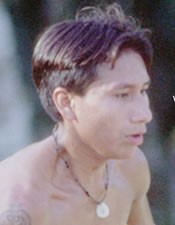

The Ayacucho Quechua people live in the south-central highlands of Peru, particularly in the mountainous regions surrounding the city and department of Ayacucho. They are part of the wider Quechua-speaking population of the Andes, yet their identity is shaped by their specific history, landscape, and linguistic form. Their language is Ayacucho Quechua, a widely used variety of Quechua that serves as both a daily means of communication and a link to their heritage.
Their roots extend back to ancient Andean civilizations that developed long before the rise of the Inca Empire. Over time, Quechua spread across large portions of the Andes and became deeply embedded in community life. Spanish colonization introduced new political, economic, and religious systems that altered traditional structures. Even so, the Ayacucho Quechua have maintained a strong connection to their land and cultural identity. Their history reflects both endurance and adaptation, as they continue to live in a region shaped by high altitudes, rugged terrain, and long-standing traditions.
Daily life for the Ayacucho Quechua is closely tied to the rhythms of the Andes. Many families depend on agriculture, cultivating crops such as potatoes, maize, and grains suited to the highland environment. Farming often involves careful management of terraced fields and shared labor among family members. Livestock, including sheep and cattle, also contributes to household income and food supply.
Meals are typically based on what is locally grown or raised. Potatoes remain a central part of the diet, often accompanied by grains, vegetables, and occasional meat. Cooking methods reflect both practicality and tradition, with recipes passed down through generations.
Family life is strongly communal. Households often include extended relatives, and cooperation is essential for managing work and daily responsibilities. Elders are respected for their knowledge and play an important role in guiding younger members. Children grow up learning both practical skills and cultural values, often helping with farming and household tasks.
Community gatherings are an important feature of life. Festivals and celebrations often combine agricultural cycles with religious observances. Music, dance, and colorful clothing are common during these events, creating opportunities for social connection and cultural expression. These gatherings reinforce a shared identity and provide continuity across generations.
The Ayacucho Quechua are generally identified with Christianity, especially within the Roman Catholic tradition that has been present in the region for centuries. Participation in church services, observance of religious festivals, and respect for Christian symbols are visible aspects of community life.
At the same time, many people continue to hold beliefs that involve trust in spiritual forces connected to the natural world. Mountains, the earth, and other elements of creation are often viewed as having spiritual presence and influence. Individuals may seek blessing, protection, or guidance through rituals or offerings directed toward these forces. These practices represent genuine expressions of faith, where people place their trust in spiritual powers to meet daily needs and address uncertainty.
Communities in the Ayacucho region often face challenges related to geography and access. Remote locations can limit the availability of healthcare, education, and economic opportunities. Strengthening infrastructure and expanding access to essential services would improve quality of life for many families.
Agriculture remains central to daily living, yet it can be vulnerable to environmental conditions. Greater support for sustainable farming practices and local markets could provide more stability and resilience. Education that respects and incorporates the Ayacucho Quechua language and culture can help younger generations thrive while maintaining their identity.
Spiritual growth is also an important need. Many would benefit from deeper discipleship that clearly explains the message of the Bible and addresses existing spiritual beliefs. Teaching that is communicated in Ayacucho Quechua and rooted in Scripture can help individuals grow in their understanding of Christ. As believers mature in their faith, they can also take part in sharing the gospel with other Quechua-speaking communities.
Pray for improved access to healthcare, education, and sustainable livelihoods in highland communities.
Pray for the continued use and preservation of the Ayacucho Quechua language.
Pray for a clear understanding of the gospel and wholehearted trust in Jesus Christ.
Pray for freedom from reliance on spiritual forces apart from Christ.
Pray that believers will grow in maturity and share the message of Christ with other Quechua groups.
Scripture Prayers for the Quechua, Ayacucho in Peru.
https://www.ethnologue.com
https://www.peoplegroups.org
https://www.operationworld.org
https://www.peru.travel
| Profile Source: Joshua Project |



