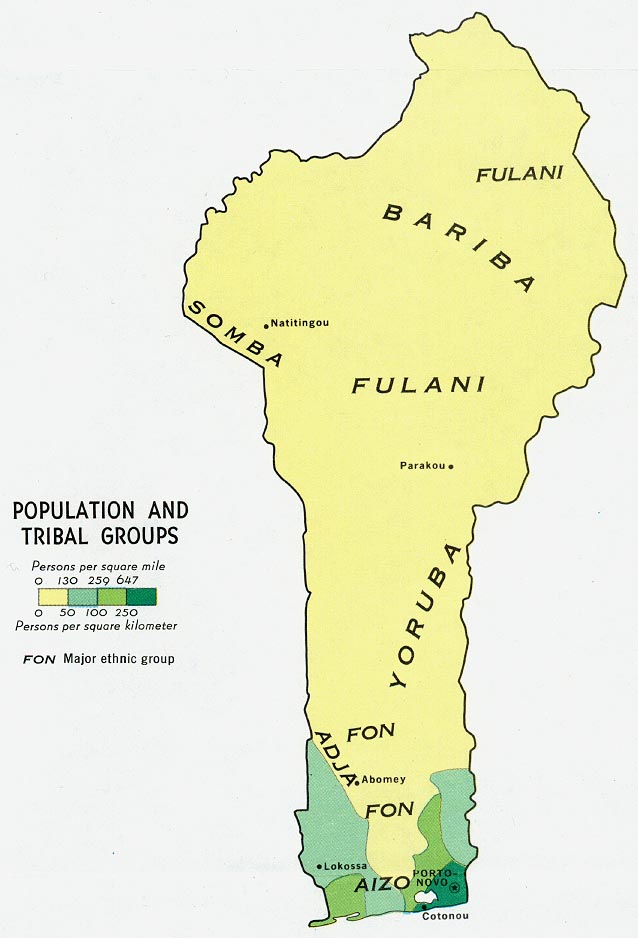
The Boko people, also known as Bokonya, Bokobaru or Boo, are an ethnic group living primarily in the northern and central regions of Benin, with related communities across the border in Nigeria. Their language, Boko (or Boo), is part of the Mande language family, distinguishing them from many neighboring groups who speak Gur or Kwa languages. The Boko have a long history in the region, with oral traditions recounting migrations and the establishment of villages along river valleys and fertile plains. Despite the influence of larger ethnic groups and the impact of colonial boundaries, the Boko have preserved their unique identity through language, customs, and social organization.
The daily life of the Boko revolves around agriculture and community cooperation. Most families are engaged in farming, cultivating staple crops such as millet, sorghum, maize, and yams. The Boko are also known for growing groundnuts and cotton, which are important cash crops in the region. Livestock such as goats, sheep, and chickens are commonly raised, providing additional food and income.
Villages are typically organized around extended family compounds, with mud-brick houses and thatched roofs. Social life is vibrant, with neighbors frequently gathering to share meals, exchange news, and work together on communal projects. Elders play a respected role in decision-making and conflict resolution, ensuring the continuity of traditions and values.
Recreation and cultural expression are important aspects of Boko life. Music, drumming, and dance are central to celebrations, especially during festivals, weddings, and harvest times. Storytelling and oral history are cherished, with elders passing down tales of ancestors, heroes, and moral lessons to younger generations. Children and youth participate in traditional games and sports, fostering a sense of unity and belonging.
The Boko people's spiritual life is shaped by a combination of traditional African religion and Islam. Many Boko place their trust in a spiritual world inhabited by ancestors, nature spirits, and powerful unseen forces. Rituals, sacrifices, and ceremonies are performed to honor these spirits, seek protection, and ensure the well-being of the community. Spiritual leaders and elders guide these practices, interpreting dreams and mediating between the physical and spiritual realms.
Islam has a significant presence among the Boko, with many individuals and families observing Muslim prayers, fasting, and festivals. Mosques serve as important centers for worship and community gatherings. Christianity has a small presence, often limited to Roman Catholic or mainline Protestant communities. Where Christians are found, they gather for worship, prayer, and the study of Scripture, seeking to follow Jesus Christ and share His message of hope and reconciliation. However, traditional beliefs and practices remain influential, and many families blend elements of both faiths in their daily lives.
The Boko face a range of physical and spiritual needs. Access to healthcare, clean water, and quality education is limited in many villages, making families vulnerable to illness and hardship. Economic opportunities are scarce, and young people often migrate to urban areas in search of work, which can weaken community ties. Spiritually, there is a need for discipleship, biblical teaching, and encouragement for those who follow Christ. The translation of Scripture and Christian resources into the Boko language would greatly benefit the community.
Pray for improved access to healthcare, education, and clean water for Boko families.
Ask God to encourage and strengthen Boko believers as they live out their faith and serve their neighbors.
Pray for peace and unity among the Boko, especially where different religious traditions coexist.
Request that the Boko people encounter the hope, peace, and transformation found in Jesus Christ.
Scripture Prayers for the Boko, Bokonya in Benin.
https://www.peoplegroups.org/
https://www.ethnologue.com/
https://www.operationworld.org/
https://www.britannica.com/place/Benin
| Profile Source: Joshua Project |