


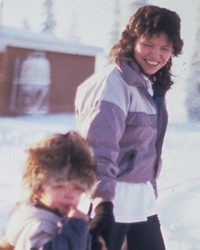

The Dogrib people, known in their own language as the Tlicho, are an Indigenous people of Canada's Northwest Territories. They belong to the broader Dene Nation, a family of Athabaskan-speaking peoples who have inhabited the subarctic regions of northern Canada for thousands of years. The Dogrib homeland centers around the area between Great Slave Lake and Great Bear Lake, a vast and rugged landscape of boreal forest, tundra, and waterways that has shaped their identity and way of life across generations.
Historically, the Dogribs lived as skilled hunters and fishermen, moving seasonally through their territory in pursuit of caribou, moose, and fish. Their social organization was built around extended family groups and regional bands, guided by experienced leaders who understood both the land and the needs of their people. European contact brought significant change, including the fur trade, missionary activity, and eventually the pressures of colonial governance. Despite these disruptions, the Dogrib have maintained a strong sense of cultural identity and have worked in recent decades to secure recognition of their land rights and self-governance.
Today, most Dogrib people live in four main communities in the Northwest Territories: Behchok??, Whatì, Gamètì, and Wekweètì. Behchok?? is the largest and serves as a cultural and administrative center for the people. Life in these communities blends elements of traditional practice with the realities of modern life in a remote northern setting.
Hunting and fishing remain meaningful parts of daily life and cultural identity for many Dogrib families. Caribou in particular holds deep cultural significance, and traditional land use continues to be passed down through families. At the same time, communities grapple with challenges common to many remote northern peoples, including limited economic opportunities, distance from urban centers, and the ongoing effects of historical disruption on family and community life.
Their language belongs to the Athabaskan language family and remains in active use, particularly among older generations. Efforts to support language revitalization are ongoing, and the language is central to Dogrib cultural identity. The Tlicho Agreement, a land claim and self-government agreement reached in the early 2000s, marked a significant step in the people's pursuit of greater autonomy over their lands and communities.
The Dogrib people have historically held spiritual beliefs rooted in their relationship with the land and the natural world. Traditional worldviews among Dene peoples often include a belief in spiritual forces present in the environment and an emphasis on living in right relationship with the created order. These beliefs were passed down through oral tradition, story, and practice tied to seasonal life on the land.
Christian missionary activity, particularly by Roman Catholic missionaries, began among the Dogrib in the nineteenth century and has had a lasting presence. As a result, many Dogrib today identify with Christianity, though the depth and nature of that faith varies across individuals and families. The blending of traditional spiritual awareness and Christian profession is a reality in many communities, and the need for a living, personal faith grounded in Scripture remains.
Portions of scripture have been translated into their language, though access to the full range of biblical resources in their heart language is limited. Ongoing work in scripture translation and engagement is vital for the spiritual growth of the community.
The Dogrib people need a deep and lasting encounter with the living Christ that goes beyond cultural or nominal Christian identity. They need access to Scripture in their own language and gifted teachers who can help them understand and apply God's Word to daily life. Strong, biblically grounded local church leadership is essential, as is discipleship that can address the real challenges facing families and communities.
Like many Indigenous communities in Canada's north, the Dogrib face social pressures that affect family stability and community wellbeing. The love, healing, and hope found in Jesus Christ speaks directly into these needs. Workers who approach with humility, respect for Dogrib culture, and a commitment to long-term relationship are needed to walk alongside this people.
Pray that Dogrib believers would grow in a deep, personal knowledge of Jesus Christ and be rooted firmly in scripture.
Pray for the raising up of faithful Dogrib church leaders who can shepherd their communities with wisdom and grace.
Pray for families to experience healing and restoration through the power of the gospel.
Ask God to bless efforts to make scripture available and accessible in their language.
Pray that the church among the Dogrib would be strengthened not only to receive the gospel but to carry it to others.
Pray for workers with the character, calling, and cultural sensitivity to serve alongside this people with faithfulness and love.
Scripture Prayers for the Dogrib in Canada.
| Profile Source: Joshua Project |


