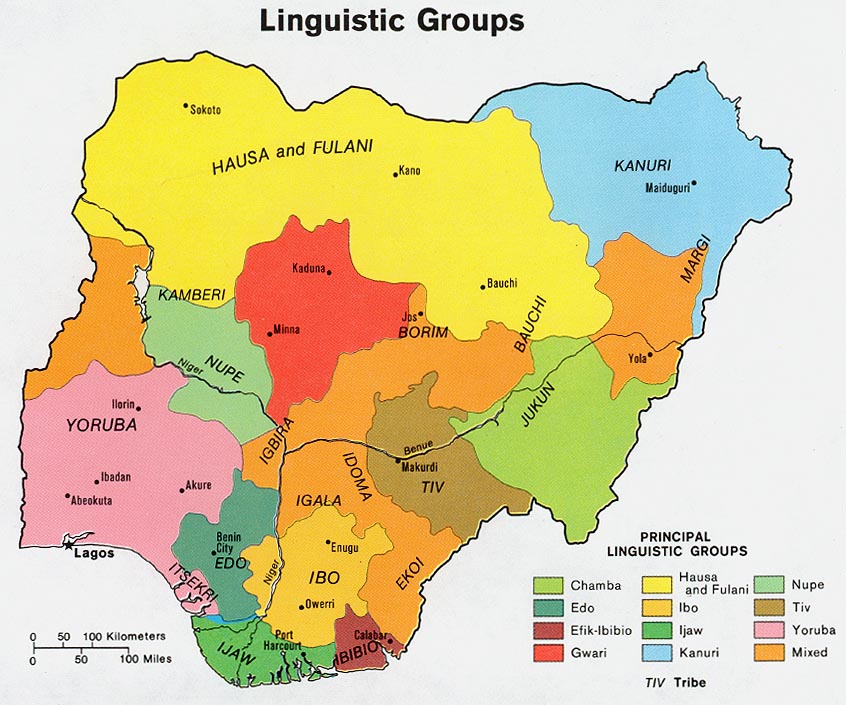

The Ngwaba people are an ethnic group living in southeastern Nigeria, where forests, farmland, and rivers have shaped their way of life for generations. Their identity is rooted in shared ancestry, language, and close attachment to their land. Ngwaba history has been passed down primarily through oral tradition, preserving accounts of ancestral origins, clan boundaries, and long-standing social agreements. Over time, contact with neighboring ethnic groups, colonial administration, and post-independence Nigerian society introduced new political, economic, and educational influences. Despite these changes, many aspects of traditional leadership, family organization, and cultural values continue to shape Ngwaba community life.
Most Ngwaba families depend on small-scale farming as the foundation of daily life. Households typically cultivate crops such as yams, cassava, vegetables, and grains, working fields with family labor and seasonal rhythms. Local markets provide opportunities to sell surplus produce, purchase necessities, and maintain social connections. Some individuals supplement farming through petty trade, skilled labor, or employment in nearby towns.
Family life among the Ngwaba is highly communal. Extended families often live close together, and elders are respected for their experience and guidance. Marriage is an important institution that strengthens bonds between families and reinforces social stability. Children are valued as a blessing and are raised within a network of parents, grandparents, and relatives who share responsibility for training and discipline.
Celebrations mark both life events and seasonal milestones. Weddings, naming ceremonies, and community festivals are occasions for music, dancing, storytelling, and shared meals. Food is central to social life, with staple dishes made from root crops and vegetables, accompanied by sauces and spices. Meat is usually reserved for special occasions. Hospitality and generosity are important cultural values that reinforce unity and mutual care.
The Ngwaba people are about half Muslim, but traditional beliefs and practices coexist Islam. Many individuals do not identify as Muslim; their spirituality is related to ancestral influence, spiritual protection, or customary rituals, especially during times of crisis. There are some Christians among them, but they are few.
The Ngwaba community faces physical challenges related to economic opportunity, access to quality education, and reliable healthcare. Agricultural livelihoods can be affected by changing weather patterns and limited infrastructure, placing strain on families. Young people often seek direction as they navigate education, employment, and the pull between traditional expectations and modern influences.
Spiritually, there is a need for continued growth and maturity within the Christian community. Many Ngwaba believers would benefit from deeper discipleship, consistent teaching of Scripture, and encouragement to live out their faith with confidence and integrity. A clear vision for participation in God's mission is also important, so that the Ngwaba church may not only receive the gospel but actively share it with others near and far.
Pray that Muslim Ngwaba elders and family leaders will have dreams of the victorious and loving Christ, leading them to re-think the spiritual direction of their families.
Intercede for educators, church leaders, and community leaders to serve with wisdom, unity, and compassion.
Ask the Lord Jesus Christ to strengthen believers with a deeper love for Scripture and a confident understanding of the gospel.
Pray for Ngwaba Christians to grow into mature disciples who take responsibility for sharing their faith locally and globally.
Pray that Ngwaba families would experience God's blessing through a recording breaking harvest.
Scripture Prayers for the Ngwaba in Nigeria.
https://www.ethnologue.com
https://www.britannica.com/place/Nigeria
| Profile Source: Joshua Project |