


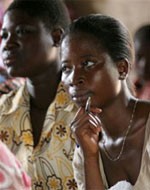

The Western Sisaala are an Indigenous people group of northwestern Ghana, living primarily in the Upper West Region near the border with Burkina Faso. Their homeland consists of savanna woodland, seasonal streams, and farming land shaped by a long dry season and a shorter rainy season. These environmental patterns strongly influence settlement and daily life.
They speak Sisaala, Western, which remains central to social identity and the transmission of cultural knowledge. Historically, the Western Sisaala developed village?based societies organized around extended family units and local leadership. Trade, migration, and interaction with neighboring peoples shaped their history, but their language and customs have endured despite outside influences, including colonial administration and later religious movements.
Western Sisaala communities are tightly knit and family?centered. Extended families often live in close proximity, sharing work, food, and responsibility. Respect for elders is deeply ingrained, and older men and women play key roles in advising families and mediating disputes.
Most families rely on subsistence agriculture. Millet, sorghum, maize, and other crops suited to the savanna environment form the dietary foundation, supplemented by legumes, vegetables, and small livestock. Farming is seasonal and labor?intensive, with cooperation among relatives and neighbors essential during planting and harvest.
Social life includes storytelling, music, and shared meals, as well as festivals tied to agricultural cycles and community identity. Recreational activities are typically informal and community?based. Village gatherings—whether traditional or church?related—serve as important spaces for maintaining relationships and transmitting values.
The Western Sisaala are mostly followers of traditional ethnic religion. Their spiritual worldview centers on reverence for ancestral spirits, local deities, and unseen powers believed to influence fertility, health, rainfall, and communal harmony. Ritual practices, sacrifices, and consultations with traditional religious specialists play a meaningful role in responding to misfortune or seeking guidance. These beliefs represent real religious trust, not merely cultural custom.
Alongside this, there is a visible Christian presence among the Western Sisaala. Some individuals and families identify as Christian and participate in church life. In many cases, Christian belief exists alongside traditional religious practices, resulting in blended faith rather than exclusive trust in Jesus Christ. The gospel has been introduced but has not yet deeply transformed the broader worldview of the community.
The Western Sisaala face ongoing physical challenges. Access to medical care is limited, especially in rural areas, leaving common illnesses and maternal health needs insufficiently addressed. Clean water access and sanitation infrastructure vary by village and contribute to preventable disease.
Educational opportunities are often basic, with limited access to secondary education or vocational training. Seasonal poverty and long distances to schools make consistent attendance difficult for many children. Improved healthcare, education, and water systems would significantly strengthen family well?being and provide greater stability for long?term development.
Pray that Western Sisaala people who follow traditional religion will hear the gospel clearly and respond with wholehearted faith in Jesus Christ.
Ask the Lord to break dependence on ancestral and spiritual powers and replace fear with trust in Christ alone.
Pray for the small Christian community to grow in biblical understanding, unity, and courage.
Intercede for improved access to healthcare, education, and clean water, asking God to use these means to open hearts to lasting gospel hope.
Scripture Prayers for the Sisaala, Western in Ghana.
https://www.ethnologue.com/
https://www.sil.org/africa/ghana
https://www.britannica.com/place/Ghana
https://www.grn.org/
| Profile Source: Joshua Project |



