


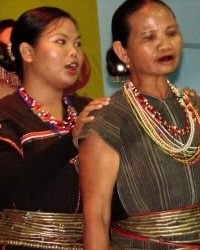

The Tampias Lobu are a small and distinct ethnic group found in parts of Sabah on the island of Borneo in Malaysia. They are often associated with other indigenous communities of the interior, yet they maintain their own identity through language and heritage. The language used among them is known as Lobu, which connects them linguistically to nearby groups while still preserving unique expressions and vocabulary shaped by their environment and history.
Their story is rooted in the forests and river systems of Borneo, where generations have lived with a close dependence on the land. Historically, the Tampias Lobu were semi-nomadic, moving within defined territories to hunt, gather, and cultivate small gardens. Over time, outside influences such as government settlement programs, logging activity, and increased contact with other ethnic groups have encouraged more permanent village life. Even so, their sense of identity remains tied to ancestral lands and the memory of a more mobile way of life.
Today, the Tampias Lobu live in small rural communities, often in areas surrounded by forest. Daily life is shaped by a combination of traditional practices and gradual modernization. Many people rely on subsistence agriculture, growing crops such as rice, cassava, and bananas. Some also hunt or fish to supplement their food supply, while others may engage in wage labor when opportunities arise nearby.
Meals are usually simple and based on what is locally available. Rice or root crops form the foundation, accompanied by vegetables, fish, or small amounts of meat. Food gathering and preparation are often shared tasks within the household, reinforcing cooperation among family members.
Family life is close-knit, with strong ties between parents, children, and extended relatives. Elders are respected as keepers of knowledge and tradition, and their guidance is valued in community decisions. Children grow up learning practical skills alongside cultural expectations, often helping with farming or household duties from a young age.
Community events provide moments of connection and celebration. While large-scale festivals may be less common, important life events such as marriages or communal gatherings bring people together. These occasions may include shared meals, storytelling, and expressions of cultural identity that strengthen bonds within the group.
The Tampias Lobu primarily follow animistic beliefs that shape how they understand the world around them. Spiritual forces are believed to inhabit the natural environment, including forests, rivers, and other significant places. These forces are not distant concepts but active realities that influence health, success, and daily well-being.
Many place trust in spirits associated with ancestors or the land, seeking their favor through rituals, offerings, and careful observance of traditional practices. When illness or misfortune occurs, it may be interpreted as the result of spiritual imbalance or displeasure, leading individuals to seek help from those recognized as having spiritual insight or authority.
These beliefs reflect a sincere effort to live in harmony with the unseen world, yet they also bind people to fear and uncertainty. The message of the Bible offers a different foundation, teaching that true peace and reconciliation with God come through Jesus Christ alone. Freedom from fear of spirits is found not through rituals, but through a relationship with the God who gives us life.
Life in remote areas presents ongoing challenges related to access and opportunity. Limited infrastructure can make it difficult to obtain consistent healthcare, education, and economic stability. Greater access to clean water, medical services, and sustainable sources of income would improve daily living conditions and long-term prospects for families.
There is also a need for culturally appropriate education that allows younger generations to engage with the wider world while retaining their identity. Strengthening local leadership and community development can help address practical concerns in ways that respect their traditions.
Spiritually, the Tampias Lobu would benefit from clear and compassionate communication of the gospel in their own language. Teaching that addresses their understanding of the spiritual world is essential, helping them see the authority of Christ over all powers they fear. The presence of committed believers who can live among them and share the truth consistently would make a lasting difference.
Pray for improved access to healthcare, education, and clean water in Tampias Lobu communities.
Pray that the message of Jesus Christ will be clearly communicated in the Lobu language.
Pray for freedom from fear of spirits and trust in Christ's authority over all things.
Pray for faithful workers to live among them and share the gospel with love and understanding.
Scripture Prayers for the Tampias Lobu in Malaysia.
https://www.peoplegroups.org
https://www.ethnologue.com
https://www.operationworld.org
| Profile Source: Joshua Project |



