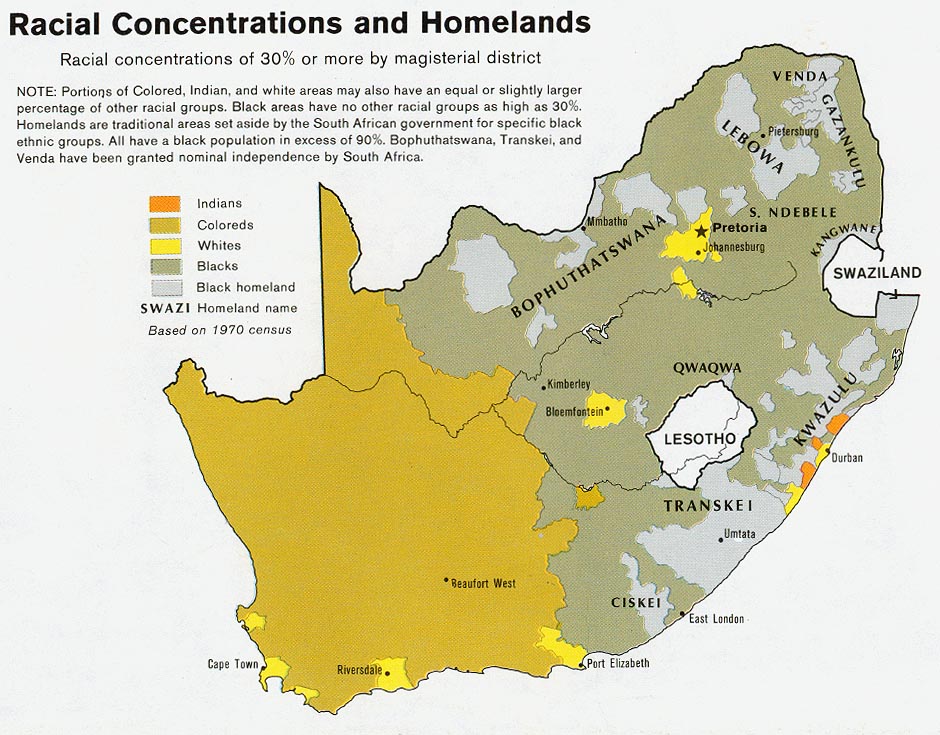

he Xhosa?Tembu, also known as the AbaThembu or Tembu, are a Xhosa?speaking people historically rooted in the Eastern Cape region of South Africa. They speak a dialect of isiXhosa and are part of the larger Nguni language family. Oral tradition describes their early migration along the eastern coast of southern Africa before settling in what is now the Eastern Cape, where they gradually formed a distinct political and cultural identity.
By the early 19th century, the Tembu shared many core cultural patterns with other Nguni peoples, including patrilineal descent, exogamous marriage, cattle?based bridewealth, and a system in which men tended cattle while women focused on hoe?based agriculture. Their history was deeply shaped by regional upheaval during the Mfecane as well as pressures from European expansion, contributing to displacement, warfare, and eventual incorporation into colonial structures. The devastating cattle?killing movement of 1857 greatly weakened both Xhosa and Tembu societies, forcing many to seek work as labor migrants and accelerating shifts in their traditional leadership and way of life.
Many Xhosa?Tembu communities live in rural villages across the Eastern Cape, especially in areas historically known as Thembuland. Their livelihoods often include small?scale farming, animal husbandry, and labor migration to urban centers for work in mining, industry, education, and service sectors. Traditional agriculture includes crops such as maize, millet, and vegetables, reflecting longstanding Nguni farming practices.
Family life is typically extended and communal, with strong respect for elders and well?established roles passed from one generation to the next. Celebrations often include initiation rites, weddings, and ancestral commemorations, which reinforce identity and social cohesion. Traditional foods include corn?based meals such as umngqusho (corn and beans), umqa (maize porridge), and meat dishes reserved for special rites, along with fermented milk and locally grown produce. These foods and customs link the Tembu with broader Xhosa cultural expressions.
Cultural gatherings feature storytelling, music, and dance, and many communities continue to practice ceremonies that honor ancestors, mark life transitions, and reaffirm community values. Despite modern influences, these traditions remain integral to Xhosa?Tembu self?understanding.
Historically, the Xhosa?Tembu practiced a belief system centered on ancestral veneration, traditional rituals, and the recognition of a creator God. Many continue to blend traditional spirituality with Christianity, which became prominent during the 19th century as missionaries entered the region. Christian faith today is expressed through church life, hymn singing, and prayer, while ancestral reverence continues to hold cultural significance for many families.
Communities in the Eastern Cape face ongoing challenges related to economic opportunity, education, and access to healthcare. Improved resources for schools, sustainable employment, and support for agricultural development contribute to family stability. Spiritually, deeper discipleship, strong local churches, and biblically grounded leadership can help Xhosa?Tembu communities navigate generational transitions and cultural change. Opportunities for young people to grow in faith and purpose are especially important as they move between rural homelands and urban work environments.
Pray that Xhosa?Tembu families will experience both physical provision and spiritual renewal in their homes and communities.
Pray that local churches will be strengthened in unity, biblical teaching, and compassionate outreach.
Pray that young men and women undergoing traditional rites of passage will encounter the transforming hope of Jesus Christ.
As Christianity has a strong presence among the Xhosa?Tembu, pray that believers will grow as part of the global gospel force, bringing Christ's mercy to less?reached peoples.
Scripture Prayers for the Xhosa-Tembu in South Africa.
https://www.britannica.com/topic/Tembu
https://en.wikipedia.org/wiki/Thembu
https://101lasttribes.com/tribes/thembu.html
https://briefly.co.za/30681-xhosa-culture-rituals-food-ceremonies-language-traditional-attire.html
| Profile Source: Joshua Project |