




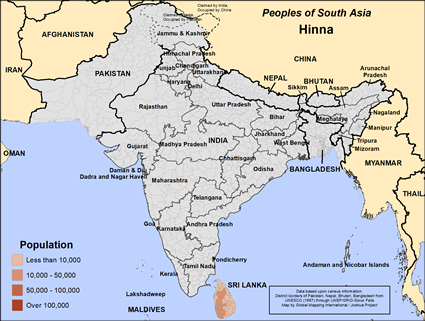
The Hinna are a distinct people group in Sri Lanka identified as part of the South Asian Buddhist affinity bloc. Their identity is tied to the Sinhala language and culture, and their history reflects the broader trajectory of Sri Lanka's majority Buddhist communities. Over centuries, they have been shaped by the island's dynastic traditions, colonial encounters, and the civil conflict that left lasting scars on many communities. The Hinna remain deeply rooted in their land and traditions, yet they are also navigating the pressures of modernization and globalization.
The Hinna live primarily in villages and towns where agriculture, fishing, and wage labor form the foundation of daily life. Rice cultivation, coconut harvesting, and small-scale trade are common occupations. Family life is central, with strong respect for elders and a communal approach to raising children. Extended families often live close together, reinforcing bonds of kinship and mutual support.
Celebrations revolve around Buddhist festivals such as Vesak, which commemorates the birth, enlightenment, and death of the Buddha, and are marked by lanterns, temple visits, and shared meals. Weddings and local harvest festivals also provide opportunities for community gatherings. Food is a vital part of their culture, with rice and curry at the center of daily meals, often accompanied by lentils, vegetables, and fish. Hospitality is highly valued, and sharing food is a sign of friendship and respect.
The Hinna are predominantly Buddhist. Their religious life revolves around temple worship, meditation, and participation in rituals that honor the Buddha and seek merit for themselves and their families. Devotion is expressed through offerings, chanting, and observance of moral precepts. While Buddhism provides the framework for their worldview, folk practices and cultural traditions are often interwoven, creating a syncretic religious environment.
Christianity has a small presence among them, but the gospel has not yet taken deep root.
The Hinna face challenges of economic insecurity, limited access to quality education, and uneven healthcare. Many families struggle with poverty, and younger generations often migrate to cities in search of work, which can weaken traditional family structures.
Spiritually, the Hinna need opportunities to encounter the gospel in their own language and cultural context. Socially, they require reconciliation and healing from the divisions left by past conflict, along with empowerment to preserve their identity while engaging with the wider Sri Lankan society. Development initiatives that provide literacy, vocational training, and healthcare can help them flourish physically, while compassionate outreach can open doors to spiritual transformation.
Pray that the Hinna will encounter the love of Jesus Christ through relationships and witness.
Pray asking the Lord to raise up believers from within Sri Lanka who will see this group as part of the mission force and commit to sharing the gospel with them.
Pray for physical needs such as improved healthcare, education, and economic stability, so that families can thrive.
Pray that the Hinna will one day become a vibrant part of the global church, contributing their gifts and culture to the mission of God.
Pray asking God if he would use you to reach the Hinna people that are minimally reached with the gospel.
Scripture Prayers for the Hinna in Sri Lanka.
South Asia Peoples Database
His Feet International: Unreached People Groups in Sri Lanka
| Profile Source: Joshua Project |


