


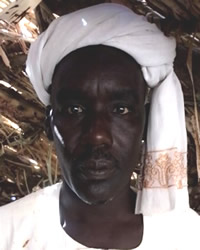

The Borogo are one of the Nuba peoples living in the Nuba Mountains region of South Kordofan State in Sudan. The Nuba Mountains are home to many distinct ethnic groups that have historically lived in isolated hill communities where rugged geography helped preserve separate identities, languages, and customs over many centuries. The Borogo are part of this broader Nuba cultural world shaped by agriculture, tribal traditions, and strong village relationships.
Historically, the Nuba Mountains served as a refuge for peoples seeking protection from slave raids, outside domination, and regional conflict. Communities such as the Borogo developed within relatively isolated mountain settlements where local customs and kinship systems remained strong despite outside political and religious pressure.
The region has experienced decades of instability, civil war, economic hardship, and displacement. Conflict between the Sudanese government and groups in the Nuba Mountains has deeply affected many communities through insecurity, disrupted agriculture, damaged infrastructure, and limited access to education and healthcare. Even so, family ties, village identity, and traditional community structures remain central to Borogo society.
Most Borogo families live in rural villages where farming and livestock care form the foundation of daily life. Sorghum, millet, peanuts, sesame, and vegetables are commonly grown, while cattle, sheep, and goats are raised for food, trade, and social value.
Village life is strongly community-oriented. Extended family relationships shape marriage, labor, child-rearing, and social responsibilities. Cooperation between households is important during planting seasons, harvests, home construction, and community ceremonies.
Meals commonly include sorghum porridge, grains, vegetables, milk products, and locally available meats. Livestock ownership often carries social significance and may influence family status and economic stability.
Years of regional conflict and underdevelopment have created serious challenges throughout the Nuba Mountains. Many communities continue to face difficulties involving healthcare access, education, infrastructure, clean water, transportation, and economic opportunity. Periodic violence and displacement have also disrupted normal village life for many families.
The Borogo primarily identify as Muslim, and Islamic beliefs influence many aspects of family life, religious practice, and community identity. Religious observances may include prayer, fasting during Ramadan, mosque participation, and observance of Islamic festivals.
At the same time, traditional Nuba spiritual beliefs continue to influence religious life among many families. Beliefs involving spirits, ancestral customs, protective rituals, sacred places, and traditional ceremonies are often blended with Islamic identity. This syncretistic mixture shapes attitudes toward illness, blessing, protection, and the spiritual world.
Traditional spiritual practices remain closely tied to community identity and family heritage. Religious leaders and respected elders may continue to play important roles in ceremonies and conflict resolution.
Many Borogo still have little opportunity to hear a clear biblical explanation of salvation through Jesus Christ alone. Access to Scripture, Christian discipleship, and mature Christian fellowship remains limited in many areas of the Nuba Mountains.
The Borogo need greater access to faithful Christian witness communicated clearly within their cultural and linguistic setting. Many have had limited opportunity to study Scripture or personally interact with mature followers of Christ.
There is a need for believers willing to serve patiently among Nuba communities, build long-term relationships, and disciple those who may face social pressure or opposition for following Jesus Christ. Access to Scripture, Christian teaching materials, and healthy local fellowships is important for lasting spiritual growth.
Practical needs remain significant throughout the Nuba Mountains region, including healthcare access, educational opportunity, clean water, agricultural support, infrastructure development, and assistance for families affected by conflict and poverty.
Compassionate Christian ministry that addresses both spiritual and physical needs can help demonstrate the love of Christ while opening doors for meaningful gospel conversations. The Borogo would benefit from strong local churches capable of discipling believers, strengthening families, and continuing to share the gospel throughout the Nuba Mountains.
Pray that the Borogo people will hear a clear presentation of the gospel and come to understand salvation through Jesus Christ alone.
Pray that God will raise up faithful Christian workers who are willing to serve among the Borogo with wisdom, humility, endurance, and compassion.
Pray that the Borogo people will be adopted through the People Group Adoption program so that sustained prayer, outreach, discipleship, and future gospel engagement will continue among them.
Pray that believers among the Nuba peoples will grow strong in biblical faith and boldly share the truth of Christ with neighboring communities.
Scripture Prayers for the Borogo in Sudan.
https://peoplegroups.org/explore/GroupDetails.aspx?peid=24091
https://www.britannica.com/place/Nuba-Mountains
https://www.britannica.com/place/Sudan
https://en.wikipedia.org/wiki/Nuba_peoples
https://www.britannica.com/topic/Islam
| Profile Source: Joshua Project |



