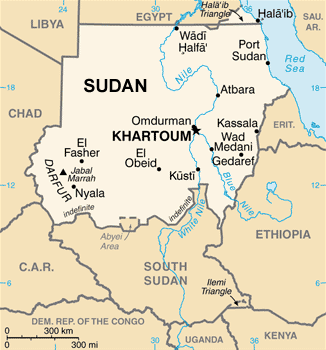

The Kudur are a small people group living in the remote Nuba Mountains of South Kordofan State in Sudan. They are also known by the name Fanda and are part of the wider Nuba cultural world made up of many distinct ethnic communities scattered throughout the mountain regions of central Sudan. The Nuba Mountains have long served as a place of refuge for smaller peoples seeking protection from outside domination, slave raids, and political pressure over many centuries.
The Kudur live primarily in a cluster of rural villages where agriculture and livestock raising shape daily life. Like many Nuba peoples, their history has been marked by geographic isolation, limited infrastructure, and periodic instability connected to wider conflicts in Sudan. The broader South Kordofan region has experienced years of civil conflict, displacement, and economic hardship that have affected village communities throughout the Nuba Mountains.
Most Kudur speak Sudanese Arabic, which helps connect them with surrounding communities and broader Sudanese society. Their cultural identity is closely tied to village relationships, farming traditions, extended family structures, and the challenging mountain environment where they live. Because they are a relatively small and isolated people group, very little detailed information about their unique customs and traditions has been documented publicly.
The Kudur are primarily farmers and livestock keepers living in rural mountain villages. Sorghum and corn are major crops cultivated for food and survival, and agriculture forms the center of daily life. Families depend heavily on seasonal rainfall, making drought or poor harvests especially difficult. Livestock such as goats, sheep, or cattle may also provide food, income, and social value within the community.
Life in the Nuba Mountains is physically demanding. Villages are often isolated, roads are limited, and access to modern services can be difficult. Homes are commonly built from mud brick or local materials suited to the hot climate and rugged terrain. Family cooperation is important because farming, gathering water, caring for animals, and maintaining households require shared effort from both adults and children.
Community identity among many Nuba peoples is strongly connected to family ties, local traditions, and village loyalty. Weddings, harvest periods, religious festivals, and communal gatherings help preserve social unity. Oral tradition and shared memory remain important because many smaller Nuba peoples historically passed down culture and history verbally rather than through written records.
The Kudur reportedly lack adequate schools and healthcare facilities, which creates continuing hardship for many families. Access to medical treatment, clean water, education, and stable economic opportunities remains limited in many parts of South Kordofan. Years of regional instability and conflict have also disrupted normal life throughout the broader Nuba Mountains region.
The Kudur are primarily Muslims, and Islamic belief shapes much of their community life and moral structure. Religious practices likely include prayer, fasting during Ramadan, mosque participation, and observance of Islamic customs connected to family and village life. Islam spread gradually into the Nuba Mountains through trade, political influence, and long interaction with surrounding Muslim peoples of Sudan.
Among many Nuba communities, traditional spiritual beliefs and fear of unseen powers have historically continued alongside formal Islamic identity. Folk beliefs involving curses, spirits, protection rituals, blessings, or sacred places may still influence everyday thinking and community practices. This blending of Islamic belief with older traditional practices creates a syncretistic spiritual environment in many parts of the Nuba Mountains.
Most Kudur have had little opportunity to hear a clear biblical explanation of salvation through Jesus Christ. Christianity may be viewed as foreign or associated with outside political or ethnic groups rather than understood through direct exposure to the gospel itself. They need to hear that forgiveness of sins and reconciliation with God come through Christ alone rather than through religious identity, rituals, or human effort.
The Kudur remain a small and largely isolated people group with limited gospel access. There are few known Christian resources specifically focused on their community, and long-term outreach in the Nuba Mountains can be difficult because of geography, instability, and limited infrastructure. Faithful Christian workers are needed who are willing to live among the Kudur, build trust, and communicate biblical truth with humility and compassion.
Practical needs are also significant. The Kudur lack sufficient schools and healthcare facilities, and many families likely face economic hardship tied to subsistence agriculture and environmental uncertainty. Access to clean water, medical care, education, transportation, and stable food supplies remains difficult in many remote mountain communities.
The Kudur need Scripture resources, discipleship materials, and culturally understandable gospel teaching in languages they know well. Any believers among them would need encouragement, biblical training, and fellowship support because of isolation and social pressure. Compassionate ministry that addresses both spiritual and practical needs can help demonstrate the love of Christ in meaningful and lasting ways.
Pray that the Kudur people will hear a clear presentation of the gospel and place their faith in Jesus Christ for salvation.
Pray that God will raise up faithful Christian workers who are willing to serve among the Kudur with wisdom, compassion, and perseverance in the remote Nuba Mountains.
Pray that the Kudur people will be adopted through the People Group Adoption program so that churches and believers will commit to sustained prayer and future gospel outreach among them.
Pray that any believers among the Kudur will grow strong in biblical truth and boldly share the hope of Christ with their families and neighboring communities.
Scripture Prayers for the Kudur in Sudan.
https://peoplegroups.org/explore/PeopleDetails.aspx?rop3=119442
https://www.recsasec.org/republic-of-sudan/
https://johnryle.com/?article=peoples-and-cultures-of-two-sudans
https://www.cgrs.be/sites/default/files/rapporten/coi_focus_sudan._the_situation_of_darfuris_and_nuba_outside_their_regions_of_origin_20210628.pdf
| Profile Source: Joshua Project |