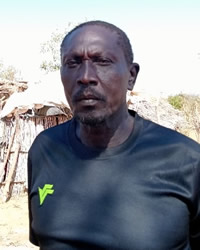

The Kurundi are a small Nuba people group living in the Nuba Mountains of South Kordofan State in Sudan. They are part of the broader Nuba cultural region, an area made up of many distinct ethnic communities that historically sought refuge in the mountains from slave raids, outside domination, and political pressure over centuries of Sudanese history. The rugged terrain of the Nuba Mountains helped preserve separate languages, customs, and identities among smaller peoples like the Kurundi despite long periods of conflict and isolation.
The Kurundi primarily speak Sudanese Arabic, which serves as a common language for communication and trade throughout much of Sudan. Their identity is closely tied to village life, family relationships, agriculture, and local traditions common among Nuba mountain communities. Because the Kurundi are relatively small and isolated, very little detailed public information exists specifically about their history or customs. Much of their cultural heritage has likely been preserved through oral tradition, clan relationships, and community memory rather than written documentation.
Like many peoples in South Kordofan, the Kurundi have likely experienced the effects of regional instability, civil conflict, displacement, and economic hardship. The Nuba Mountains have endured decades of violence and political tension that disrupted agriculture, education, transportation, and healthcare throughout the region. Even so, mountain communities often maintain strong social bonds and deep attachment to ancestral land and village identity.
The Kurundi are primarily subsistence farmers and livestock keepers. Families cultivate crops such as sorghum and corn, which are essential food sources in the dry climate of South Kordofan. Goats, sheep, and cattle may also provide food, milk, income, and social value within village life. Farming success depends heavily on seasonal rainfall, making drought and poor harvests especially difficult for rural families.
Village life among the Kurundi likely centers around extended family relationships and close community cooperation, similar to neighboring Nuba peoples. Homes are commonly constructed from mud brick, wood, stone, or thatch using locally available materials suited to the mountainous terrain and hot climate. Men, women, and children often share responsibilities connected to farming, gathering water, caring for animals, cooking, and maintaining the household. Oral storytelling, music, communal celebrations, and seasonal gatherings help preserve cultural memory and social unity.
Life in the Nuba Mountains can be physically demanding. Roads are often poor, and access to healthcare, schools, electricity, clean water, and economic opportunity remains limited in many villages. Younger generations sometimes leave for towns or cities seeking work or education, but opportunities are limited throughout much of the region. Conflict and instability have also increased hardship and uncertainty for many mountain communities.
The Kurundi are primarily Sunni Muslims, and Islam shapes much of their moral, family, and community life. Religious practices commonly include daily prayer, fasting during Ramadan, mosque participation, and observance of Islamic customs connected to marriage, burial, and village events. Islam spread gradually into the Nuba Mountains through trade, migration, and long interaction with surrounding Muslim peoples.
At the same time, many Nuba peoples historically retained older tribal spiritual beliefs alongside formal Islamic identity. Fear of spirits, curses, harmful unseen powers, or supernatural influences may still shape daily decisions and community practices among some Kurundi families. Folk beliefs connected to healing rituals, blessings, sacred places, or spiritual protection can exist alongside Islamic worship, creating a syncretistic spiritual environment.
Most Kurundi have had little opportunity to hear a clear biblical explanation of salvation through Jesus Christ. Christianity may often be viewed as foreign or connected to outside ethnic or political groups rather than understood through direct exposure to the gospel itself. They need to hear that forgiveness of sins and reconciliation with God come through Christ alone rather than through religious identity, rituals, or human effort.
The Kurundi remain largely unreached with the gospel, and very little known Christian ministry appears focused specifically on their villages. Their remote mountain location, small population, and limited infrastructure make sustained outreach difficult. Faithful Christian workers are needed who are willing to serve among the Kurundi with humility, patience, and long-term commitment while learning their culture and building trust.
Practical needs are also significant. Many communities in South Kordofan face poor healthcare access, inadequate schools, food insecurity during drought periods, weak infrastructure, and economic hardship tied to subsistence agriculture. Regional instability and conflict have further disrupted normal life and increased suffering throughout the Nuba Mountains.
The Kurundi need Scripture resources, discipleship materials, and culturally understandable gospel teaching in languages they know well. Audio Scripture and oral Bible storytelling may be especially important in isolated rural settings where literacy levels may be limited. Any believers among them would need encouragement, fellowship, and biblical training so they can grow strong in faith and eventually help reach their own people with the gospel.
Pray that the Kurundi people will hear a clear presentation of the gospel and place their faith in Jesus Christ for salvation.
Pray that God will raise up faithful Christian workers who are willing to serve among the Kurundi with wisdom, compassion, and perseverance in the Nuba Mountains.
Pray that the Kurundi people will be adopted through the People Group Adoption program so that churches and believers will commit to sustained prayer and future gospel outreach among them.
Pray that any believers among the Kurundi will grow strong in biblical truth and boldly share the hope of Christ with their families and neighboring communities.
Scripture Prayers for the Kurundi in Sudan.
https://en.wikipedia.org/wiki/Nuba_Mountains
https://en.wikipedia.org/wiki/Nuba_peoples
https://johnryle.com/?article=peoples-and-cultures-of-two-sudans
https://minorityrights.org/country/sudan/
| Profile Source: Joshua Project |